British Airways Uses AI to Hit 86% On-Time Departures at Heathrow
Three targeted AI systems cut delays by hundreds of thousands of minutes, marking the airline's best punctuality performance on record.
British Airways Achieves Record Punctuality With AI-Driven Operations
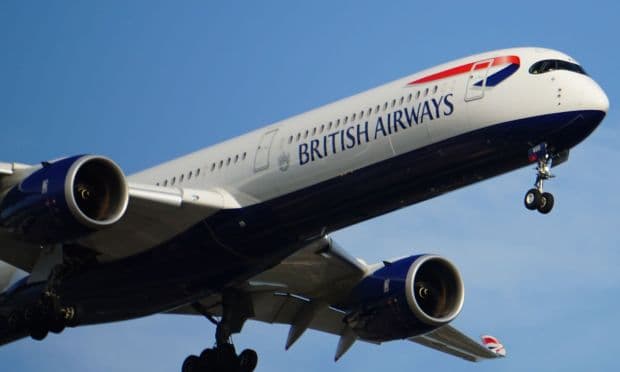
British Airways reached 86% on-time departures from London Heathrow in the first quarter of 2025, the airline's strongest performance on record and a dramatic recovery from 46% punctuality in 2008. CEO Sean Doyle attributed the turnaround to AI technologies that he called "game-changing" for cutting flight delays, according to details first reported by the Financial Times.
The improvement comes after BA's delays and cancellations from Heathrow more than doubled following the pandemic through last summer. The airline has since invested £100 million in operational resilience, including AI systems and 600 additional staff at Heathrow, as part of parent company IAG's broader £7 billion transformation program.
BA achieved 90% or better on-time departures on 38 of the quarter's 89 operational days, Business Traveller reported.
Three AI Tools Target Different Delay Points
BA's operational gains rest on specific applications designed to prevent disruption from cascading across its network. The most impactful tool analyzes passengers' onward travel plans in real time, then assigns incoming aircraft to the Heathrow stand that minimizes missed connections. Rather than rotating stands on a fixed schedule, the system weighs which connections are tightest for the specific passengers aboard each flight. That stand-planning tool alone has saved an estimated 160,000 minutes of delays, according to BA's announcement.
A second system communicates directly with air traffic control centers across Europe to reroute aircraft around poor weather, preventing a further 243,000 minutes of delays. Because the system interfaces directly with European air traffic control rather than requiring human dispatcher coordination, it can act before storm fronts reach the airspace BA's aircraft would otherwise traverse.
A third tool flags routes likely to face disruption before any delay occurs, giving ground teams time to intervene early rather than reacting after delays have already propagated through the network.
Why It Matters
BA's AI deployment demonstrates how airlines can apply machine learning to operational problems with measurable business impact—not abstract efficiency gains, but hundreds of thousands of minutes recovered and customer experience improved. The approach also shows the value of systems that act autonomously at machine speed, particularly the weather-routing tool that doesn't wait for human approval before rerouting around storms. For enterprises in any sector managing complex logistics, BA's results offer a template: identify specific friction points, deploy narrow AI tools that address each one, and measure outcomes in concrete units.
Independent Data Confirms Improvement
The Financial Times conducted its own analysis of Civil Aviation Authority data and found that BA flights from Heathrow have been less likely to face severe disruption than rival airlines over the 12 months ending in February, confirming the improvement independently of the airline's own reporting. However, flights delayed more than an hour still exceed pre-pandemic levels at Heathrow, meaning BA has improved from a genuinely poor baseline without fully recovering to its pre-COVID performance.
Aviation consultant John Strickland told the FT that BA's turnaround was necessary given how far the airline had fallen. "They had to turn it around," Strickland said. "We know all airlines coming out of COVID had a hard time, but BA was really struggling." He cautioned that the first quarter is typically an airline's quietest period, and that peak summer will be a tougher test of whether the improvements hold.
Doyle emphasized that while disruption is often outside the airline's control, BA has focused on improving factors it can directly influence. "The tech colleagues have at their fingertips has been a real game-changer for performance," he told the Financial Times.
These details were first reported by the Financial Times and Business Traveller.
This is an original analysis by the Omega editorial team. Source reporting: AI Watch.
Want systems like this working for your business?
Book a Call