Anthropic Urged to Exit All Military Contracts Despite Pentagon Fight
A prominent social entrepreneur argues the Claude maker should abandon defense work entirely, not just resist Trump-era restrictions.
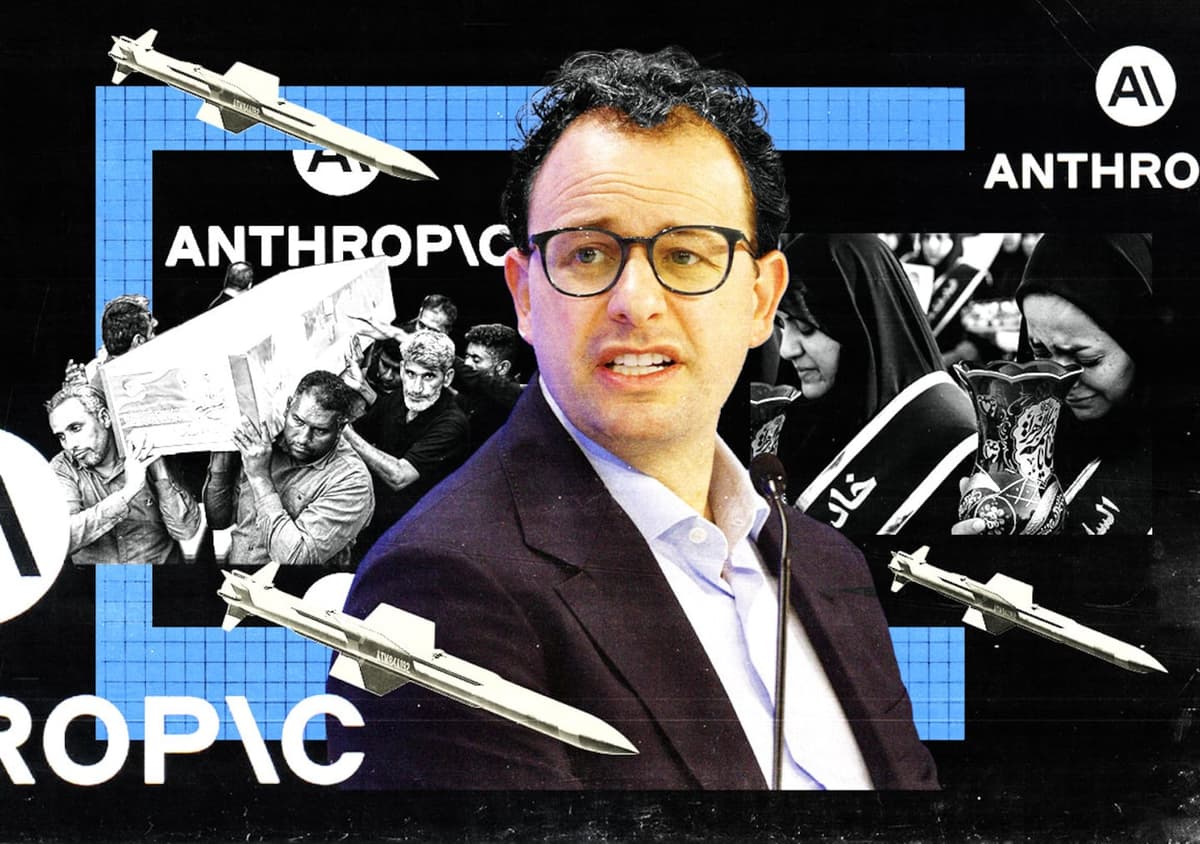
Anthropic earned widespread praise earlier this year when it refused the Trump administration's demand to remove restrictions on how the Pentagon could use Claude, its AI assistant. The company was subsequently blacklisted as a national security risk and lost access to government contracts. Yet Anthropic continues fighting in federal court to restore those military relationships — a stance that one influential voice argues fundamentally undermines the company's ethical positioning.
Michael Brown, CEO of Public Purpose Strategies and cofounder of City Year, has called on Anthropic to withdraw from all military contracts permanently. Writing after attending a Vatican event where Anthropic cofounder Christopher Olah spoke alongside Pope Leo XIV about AI ethics, Brown contends that partial resistance is insufficient for a company built on moral foundations.
The Pentagon contract and its aftermath
Anthropic signed a contract worth up to $200 million with the Department of Defense last summer, becoming the first AI company to deploy its latest models on classified military networks. The original agreement prohibited using Claude for mass surveillance of U.S. citizens or in fully autonomous weapons systems that could select and fire on targets without human oversight.
When the Pentagon sought to renegotiate those restrictions for "all lawful purposes" without limitation, Anthropic declined. President Trump called the company "leftwing nut jobs," and the Defense Department designated Anthropic a national security risk — a label typically reserved for foreign adversaries like Huawei. OpenAI subsequently signed what critics characterized as essentially the same unrestricted deal.
Public response to Anthropic's refusal was dramatic: Claude reached number one on Apple's App Store, sign-ups exceeded one million daily, and supporters chalked messages of gratitude on San Francisco sidewalks outside company headquarters.
The case for complete withdrawal
Brown argues that Anthropic's continued legal fight to restore Pentagon access contradicts the company's stated mission. As recently as May 19, Anthropic was in federal appeals court challenging the blacklisting. CEO Dario Amodei pledged on the company website to provide models to the Pentagon "for as long as we are permitted to do so."
The issue gained urgency when the Wall Street Journal reported that U.S. Central Command used Claude for intelligence assessments, target identification, and battle simulations during a major air campaign against Iran. Among the targets struck was an elementary school in Minab where more than 150 people died, mostly girls ages 7 to 12. While an investigation attributed the incident to stale intelligence and human error rather than AI directly, Brown notes that AI accelerates warfare — the U.S. struck over 1,000 targets in 24 hours, double the pace of the Iraq invasion's opening.
Anthropic's lawyers told a federal judge that losing government contracts could cost billions in revenue. Brown counters with Apple's experience: the company faced comparable pressure when refusing FBI demands for iPhone backdoors but bet that the market for trust exceeded the market for surveillance, ultimately becoming one of the world's most valuable firms.
Why it matters
Anthropic structured itself as a public benefit corporation with a Long-Term Benefit Trust designed to prioritize social good over profit when the two conflict. The company's charter commits to "responsible development and maintenance of advanced AI for the long-term benefit of humanity." Brown's argument tests whether those governance mechanisms can override financial incentives when billions of dollars are at stake. If Anthropic — founded explicitly on safety principles by executives who left OpenAI over those concerns — cannot make a complete break with military applications, it raises questions about whether any commercial AI lab can credibly claim to put ethics before revenue.
Brown acknowledges that other companies would fill the void if Anthropic exits defense work. His point is different: that humanity needs at least one major AI platform that has categorically refused military applications and made that refusal central to its identity.
These details were first reported by Michael Brown in the Boston Globe.
This is an original analysis by the Omega editorial team. Source reporting: AI Watch.
Want systems like this working for your business?
Book a Call
