Amazon's Project Tetromino targets full delivery station automation by 2030
Internal documents reveal a half-billion-dollar plan to deploy AI and robotics at the final mile, potentially processing packages 2.5 times faster than current facilities.
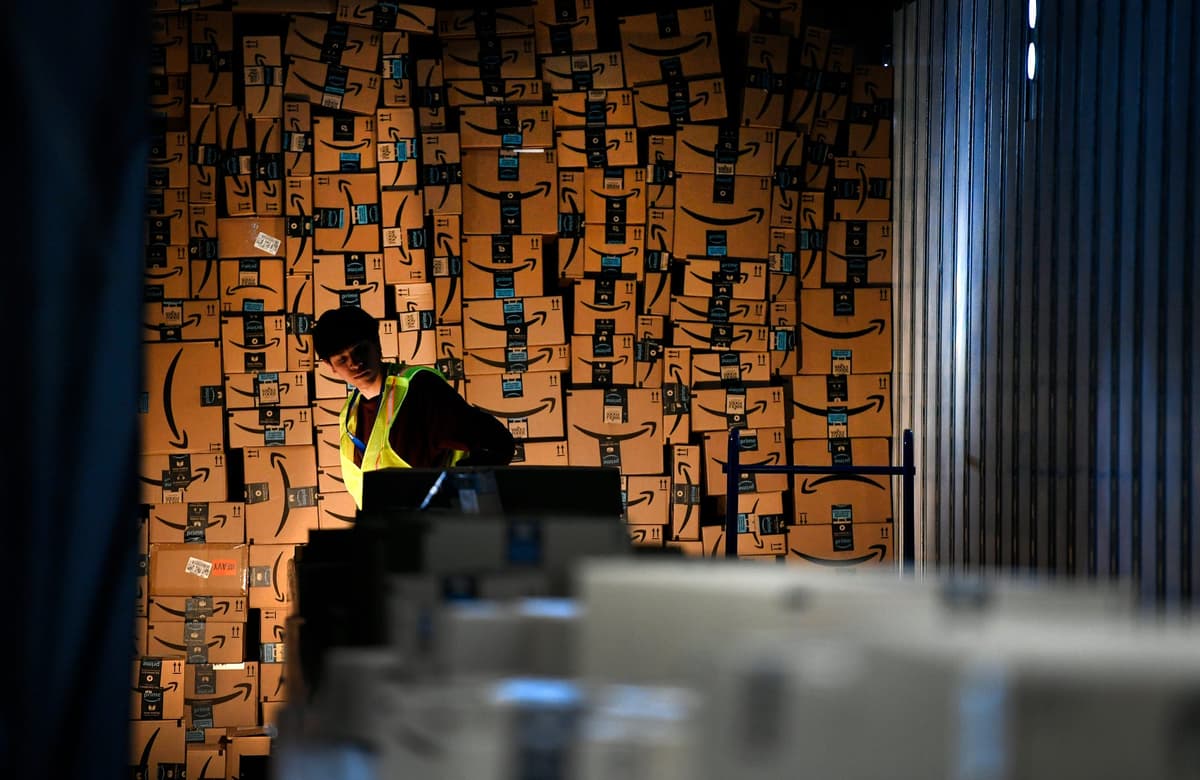
Amazon is developing a new generation of delivery stations that would use artificial intelligence and robotics to handle packages with minimal human intervention, according to internal planning documents reviewed by Business Insider.
The initiative, known internally as Project Tetromino, focuses on automating delivery stations—the final facilities in Amazon's logistics chain where packaged items arrive from fulfillment centers before being sorted and loaded onto vehicles for customer delivery. These facilities have historically relied heavily on manual labor for tasks like organizing and loading packages.
Investment timeline and scale
According to the internal document from last month, Amazon planned to invest $103 million in an initial Tetromino pilot in 2028, followed by five additional sites in 2029 at approximately $85 million each, and 10 more locations in 2030. The total investment would exceed $530 million by 2029. The document indicated these automated facilities could process packages at roughly 2.5 times the rate of existing delivery station designs.
An Amazon spokesperson characterized the project as an "early-stage concept" and said the specific financial figures and timeline in the document are "inaccurate and don't reflect our current plans." The company emphasized that plans evolve significantly during early evaluation stages.
Technology and partners
The planning document suggests Tetromino could incorporate technology from Boxbot, an AI and robotics supply chain startup. Boxbot's system moves packages from conveyors onto trays for storage, then uses AI to retrieve and sequence them for delivery routes. The company claims its system can accelerate vehicle loading by up to 10 times. The project name itself appears to reference Tetris, reflecting the puzzle-like challenge of efficiently organizing packages for delivery vehicles.
Why it matters
Delivery stations represent one of the most labor-intensive and difficult-to-automate segments of modern logistics networks. Successfully automating these facilities would give Amazon a significant cost and speed advantage in last-mile delivery, which industry analysts identify as one of the most expensive parts of e-commerce fulfillment. The project also signals how AI-powered robotics are moving beyond repetitive warehouse tasks to handle complex sequencing and loading operations that have traditionally required human judgment.
Broader automation push
Tetromino fits within Amazon's accelerating warehouse automation strategy. During its July earnings call, the company announced plans to more than double its fleet of robotic arms in 2026. Amazon has also deployed software that automatically recommends worker assignments as warehouse workloads shift throughout the day, Business Insider previously reported.
Competitors are pursuing similar automation goals. FedEx is expanding its use of AI-powered Dexterity robots for autonomous trailer loading, while UPS and DHL have deployed robots for unloading operations. Amazon also announced delivery station pilots last year as part of a €700 million investment in European facilities, including machines for unloading, sorting, and scanning.
Workforce implications
The automation push raises questions about long-term staffing needs at Amazon facilities. While Amazon robotics chief Tye Brady has stated that robots are designed to make work safer and more efficient rather than replace employees, the company has internally projected that some warehouse robots will "flatten" its hiring curve over the next decade, according to previous Business Insider reporting.
The Amazon spokesperson said delivery-station initiatives are "designed to complement and empower our workforce and employees remain central to how we operate."
Business Insider first reported these details about Project Tetromino.
This is an original analysis by the Omega editorial team. Source reporting: Automation Watch.
Want systems like this working for your business?
Book a Call
