Amazon Tests Fully Automated Delivery Stations for Last-Mile
Project Tetromino aims to bring robotics to the final stage of package delivery, where manual sorting still dominates.
Amazon targets automation gap in final delivery stage
Amazon is exploring a significant shift in how it handles the final stage of package delivery. According to an internal planning document obtained by Business Insider, the company is developing Project Tetromino—an initiative to create fully automated delivery stations that would replace the largely manual operations currently in place.
The project name references Tetris, alluding to the complex task of organizing packages efficiently for delivery vehicles. While Amazon's massive fulfillment centers have embraced advanced robotics, its delivery stations—the last stop before packages reach customers—remain labor-intensive environments where workers manually sort parcels, load bags, and prepare orders for drivers.
Why it matters
Delivery stations represent one of the few remaining manual bottlenecks in Amazon's logistics network. Automating this stage could reduce costs, increase throughput, and improve delivery speed while addressing labor challenges. For the broader logistics industry, success here would demonstrate that even the most variable, time-sensitive operations can be robotically managed—potentially reshaping how last-mile delivery works across the sector.
Boxbot technology may power the transformation
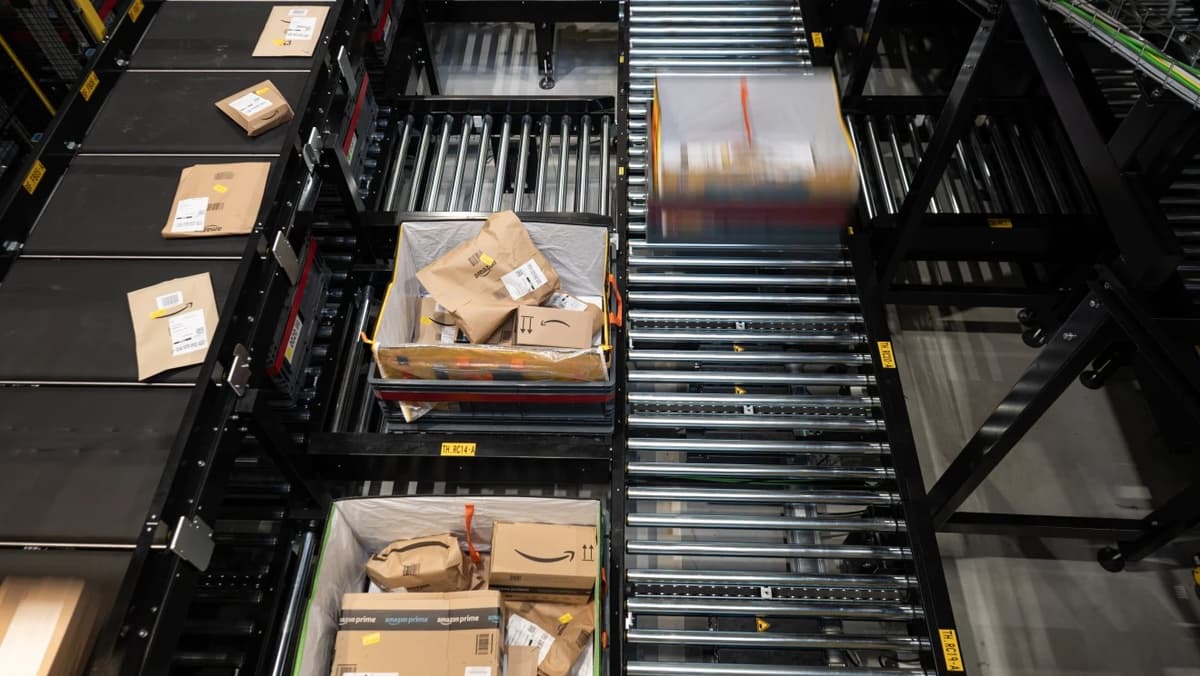
The automation effort appears to center on technology from Boxbot, an Alameda, California-based robotics startup. The company's system uses conveyors and AI-driven storage trays to automatically sequence packages for vehicle loading—a process Boxbot claims is up to 10 times faster than manual methods.
Boxbot has secured $29.5 million in funding from investors including Toyota Ventures, Playground Global, and Maersk Growth. CEO Austin Oehlerking declined to comment on specific customer relationships but confirmed the company has "tested and deployed live systems within the parcel delivery, logistics, and automotive industries over the last several years."
Oehlerking described Boxbot's technology as addressing a gap in traditional warehouse automation by efficiently storing and organizing diverse item types and sizes in compact spaces—capabilities particularly valuable for delivery operations handling varied package dimensions.
Amazon's measured response
Amazon spokesperson Brad Glasser acknowledged the company continuously explores new technologies but pushed back on specifics. "The details cited here are inaccurate and don't reflect our current plans," he said, characterizing the initiative as "one of many" early-stage concepts the company regularly evaluates.
Glasser emphasized that delivery station initiatives are "designed to complement and empower our workforce" rather than replace workers entirely.
Broader automation push continues
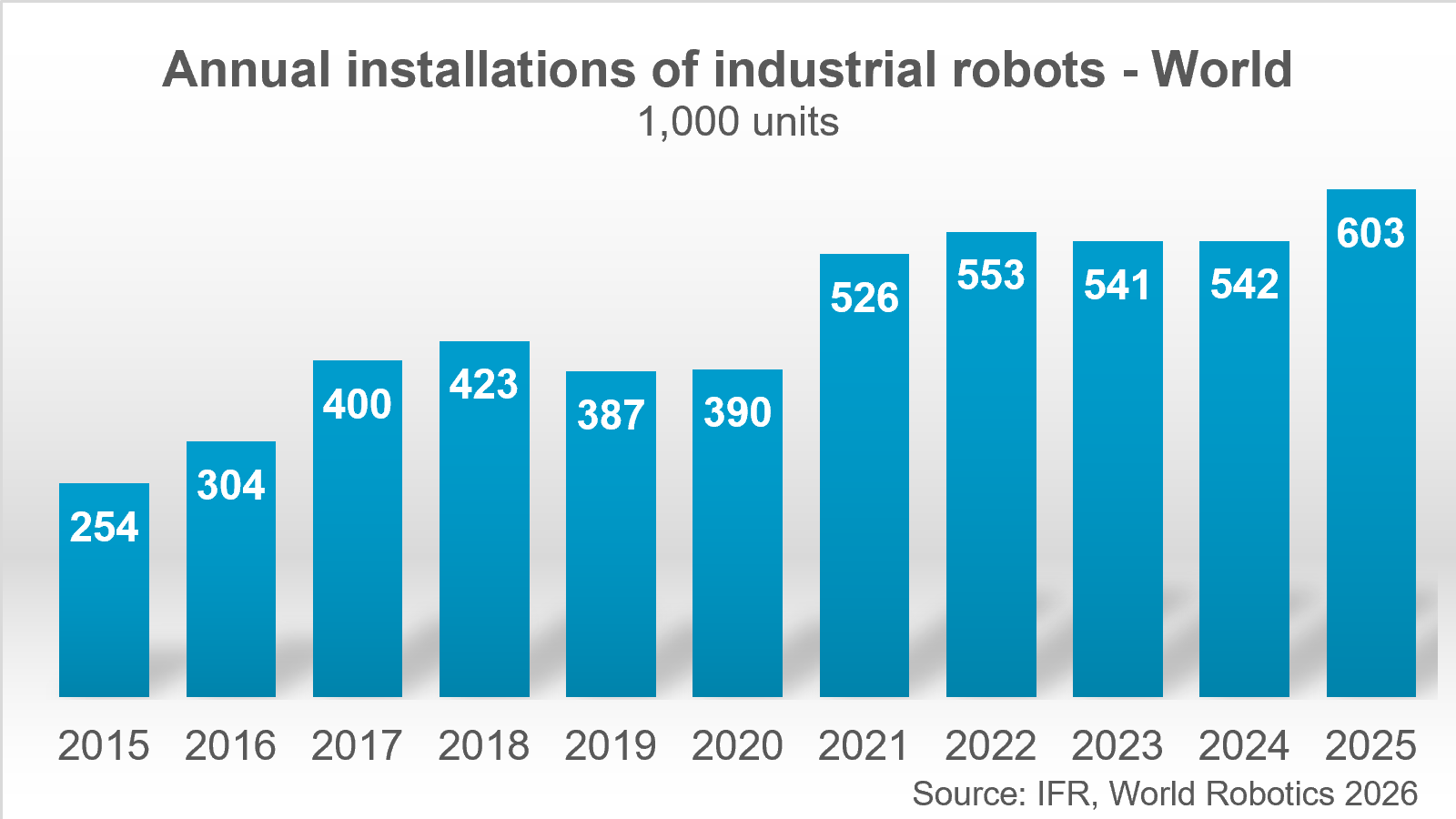
The delivery station project aligns with Amazon's wider automation strategy. The company now operates more than one million robots across its fulfillment network and plans to more than double its fleet of robotic arms this year, citing safety, ergonomics, and efficiency improvements.
Amazon has also established a Last Mile Innovation Center in Germany, where it tests delivery station technologies including automated unloading, sorting, and scanning systems—suggesting the company is pursuing multiple parallel approaches to automating final-stage logistics.
These details were first reported by Business Insider.
This is an original analysis by the Omega editorial team. Source reporting: Automation Watch.
Want systems like this working for your business?
Book a Call