Amazon Plans Fully Automated Delivery Stations by 2028
Internal documents reveal Project Tetromino could process packages 2.5 times faster than current facilities, with pilot spending exceeding $530 million.
Amazon is developing fully automated delivery stations that would handle the final warehouse stage before packages reach drivers, according to internal planning documents that outline a multiyear rollout beginning in 2028.
The initiative, code-named Project Tetromino, targets one of the most labor-intensive segments of the shipping process: the delivery station where parcels arrive from fulfillment centers and get organized for dispatch. Business Insider first reported details of the program after reviewing planning materials that project package-sorting speeds roughly 2.5 times faster than Amazon's current delivery station design.
The rollout timeline and investment
The documents Business Insider examined mapped out a $103 million pilot facility in 2028, followed by five additional sites in 2029 at approximately $85 million each, then 10 more locations in 2030. That trajectory would push total planned spending above $530 million by the end of 2029.
Amazon disputed the specifics. A company spokesperson told Business Insider that Tetromino remains an "early-stage concept" and that the road map and cost figures in the document do not reflect current plans. The company declined to provide alternative timelines or budgets.
Technology and industry context
Delivery stations have historically resisted automation because the work involves variable sequencing—arranging packages in the precise order drivers need them—rather than repetitive assembly-line tasks. The Tetromino name appears to reference Tetris and the spatial challenge of efficient packing.
Planning materials pointed to Boxbot, an AI and robotics startup whose systems use conveyors and trays to move packages before AI retrieval tools pull them in delivery sequence. Boxbot claims its technology can accelerate vehicle loading by up to 10 times. Amazon is not the only carrier pursuing this capability: FedEx is expanding AI-powered Dexterity robots for trailer loading, while UPS and DHL have deployed robots for unloading operations.
Amazon has already announced delivery-station pilots in Europe as part of a €700 million facilities investment that includes machines for unloading, sorting, and scanning.
Why it matters
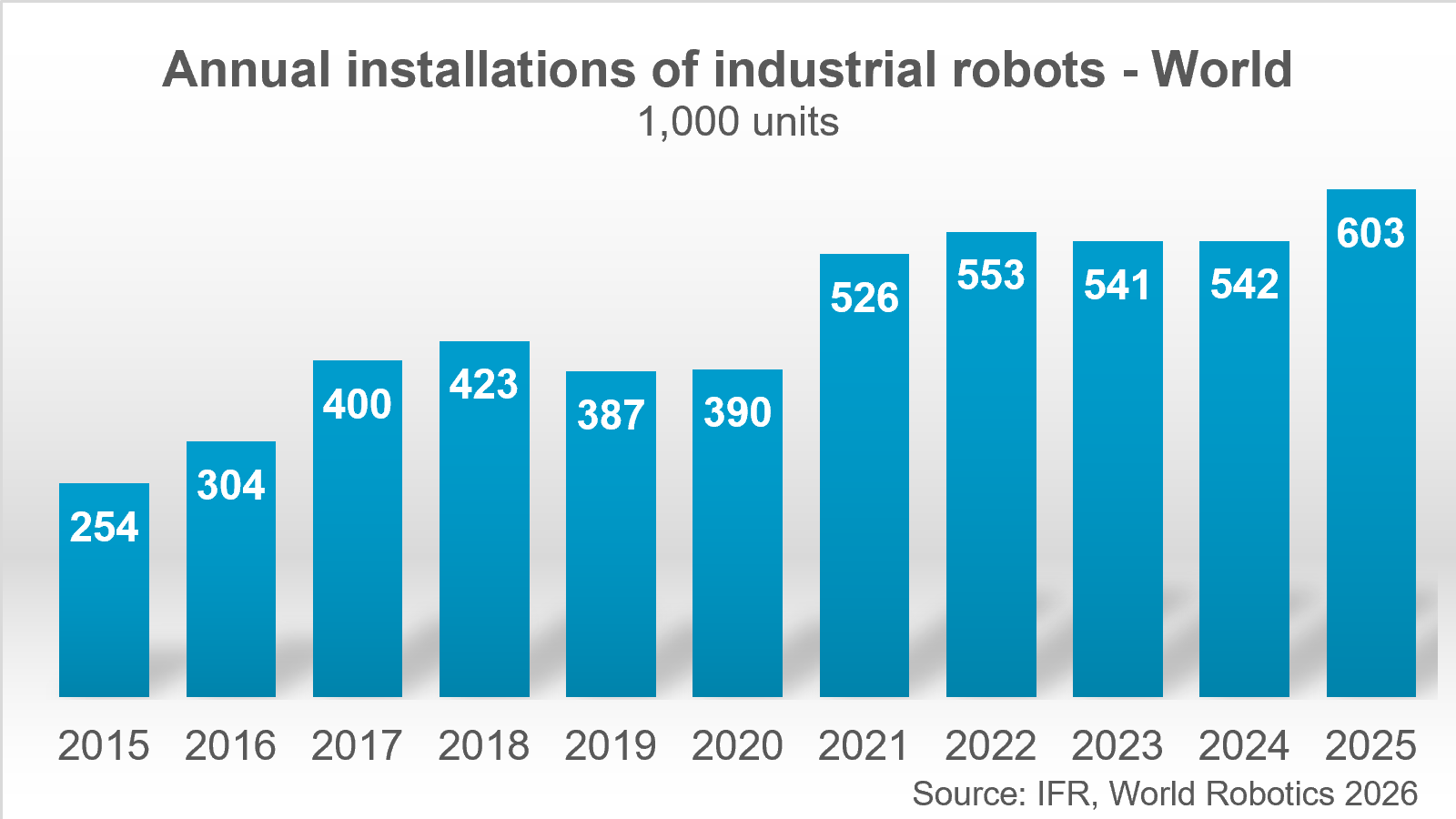
Automating delivery stations would extend Amazon's robotics push into jobs that currently require human judgment and physical dexterity. The company said on its July earnings call that its fleet of robotic arms should more than double by 2026. While Amazon robotics chief Tye Brady has described robots as tools to make frontline work safer and more efficient, Business Insider reported the company has internally projected that some warehouse robots could slow hiring growth over the next decade.
The shift raises questions about workforce displacement in facilities that employ thousands of workers nationwide. Faster, more consistent deliveries could benefit customers, but the labor implications remain significant as machines take over physically repetitive tasks.
Beyond employment, large-scale automation introduces infrastructure demands. AI systems, robotics fleets, and the computing power behind them require substantial electricity and water, while potentially contributing to higher utility costs in surrounding communities.
Business Insider first reported the details of Project Tetromino and reviewed the internal planning documents.
This is an original analysis by the Omega editorial team. Source reporting: Automation Watch.
Want systems like this working for your business?
Book a Call