AI Replaces Tasks, Not Jobs: What Students Need to Know
A computer science student building emergency systems and multimodal models explains why the panic over AI-driven job displacement misses the point.
The gap AI can't close
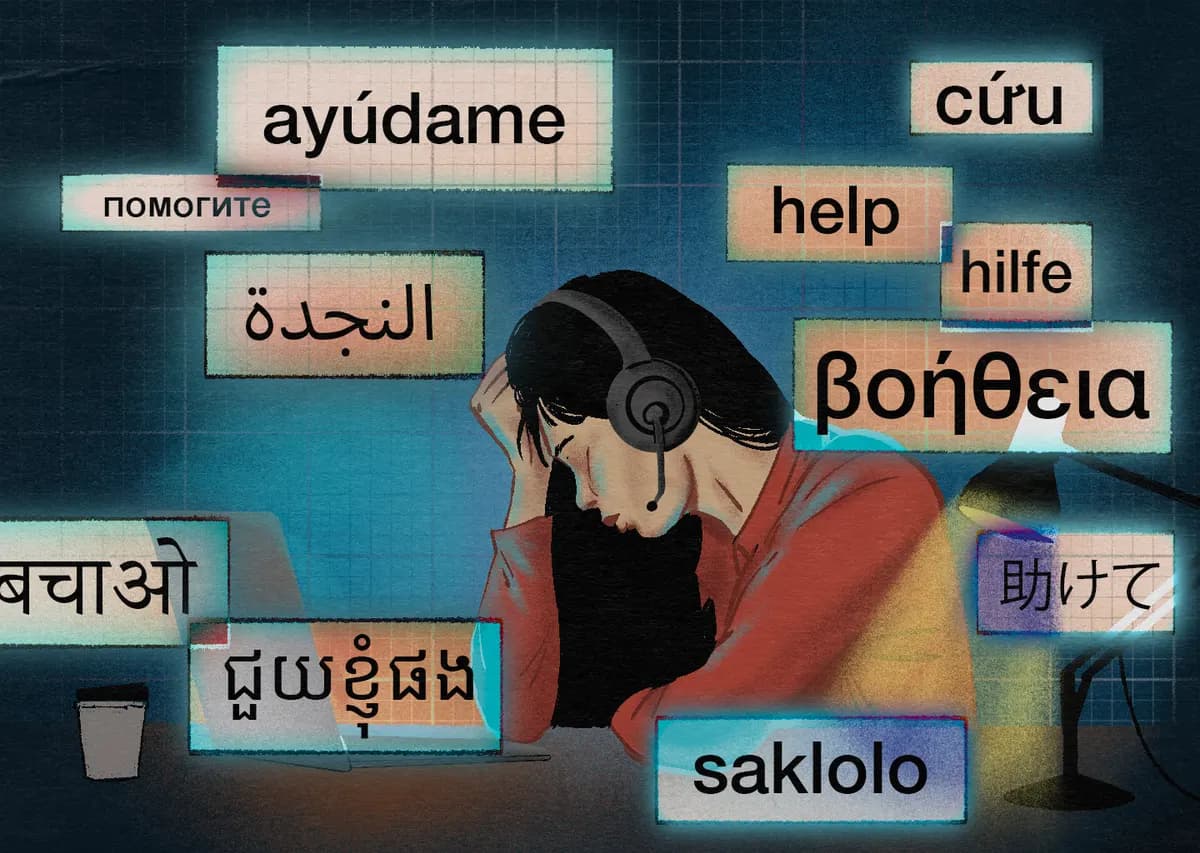
During testing of an AI voice agent designed to triage emergency 911 calls, the system performed flawlessly on paper. It extracted location data, identified the emergency type, and routed the call correctly. What it couldn't do was provide the human reassurance that matters most in a crisis—making a frightened caller feel less alone while waiting for help.
That distinction captures why current anxiety about AI and employment, while understandable, often targets the wrong concern. According to a 2026 CNBC/SurveyMonkey survey, nearly 40% of enrolled students have considered changing their major or coursework because of AI. But a year spent building AI systems in university labs and hackathons reveals a different reality: AI eliminates specific tasks, not entire roles, and understanding that difference matters more than the fear itself.
Why it matters
Entry-level hiring in AI-exposed fields like software development has declined since 2024, and graduate confidence in the job market dropped from 49% to 19% in one year, according to Stanford research and New Yorker analysis. Students face real pressure to make career decisions based on incomplete information about how AI will reshape work. The distinction between task automation and role elimination determines whether switching majors makes strategic sense—or wastes time avoiding an unavoidable shift across all professions.
What building AI systems actually teaches
Work in USF's MAX Systems Lab with multimodal AI models—systems that process both images and text—demonstrates where automation ends and human judgment begins. When attempting to optimize a vision encoder component to improve processing speed, the effort produced zero measurable improvement. Detailed analysis revealed the duplicated component handled just 0.16% of computational work, while the untouched language processing accounted for 99.84%.
AI generated the code to duplicate that encoder in under a second. What it couldn't do was identify that the optimization targeted the wrong problem entirely. That diagnostic work remains human.
Dr. John Templeton, working on AI models for clinical swallowing studies at USF's Bellini College of Artificial Intelligence, Cybersecurity and Computing, observes the same pattern in medical research. AI processes vast clinical datasets faster than any human researcher, but cannot independently distinguish genuine signals from measurement bias or flawed data collection. "AI should be viewed less as a replacement for clinical or scientific judgment and more as a tool for augmenting it," Templeton noted.
The real shift in what work means
Rishil Shah, a USF graduate student in computer science interning as an AI architect at NMEDA, frames the change differently: "A job isn't fixed. It's a bundle of tasks that's been reassembling itself for as long as people have worked." AI lowers the cost of certain tasks quickly enough to feel disorienting, but that differs fundamentally from eliminating roles.
"Producing a first version is cheap now," Shah explained. "Judging whether it's right is the part that takes real training. That part got more important, not less." AI can draft a nurse's chart note or run an engineer's calculation, but licensed professionals still sign off. That accountability never was purely technical—it's about who answers for the outcome.
What actually helps
Switching majors to avoid AI exposure won't work. Medicine, law, and computer science are all changing. No field remains AI-proof. According to Dice's tech hiring report, AI skill requirements now appear in 79% of U.S. tech job postings—it's baseline competency, not specialization.
USF's Bellini College offers a free, self-paced microcourse called AI Whisperer, requiring three to four hours and open to all students. The goal isn't becoming an "AI person" but understanding where model judgment ends and human judgment must begin.
The emergency call system can process panicked voices faster than any human dispatcher. It still can't make someone feel less alone. That gap defines why certain work persists.
These details were first reported by the Oracle at the University of South Florida.
This is an original analysis by the Omega editorial team. Source reporting: AI Watch.
Want systems like this working for your business?
Book a Call