AI Microdramas Cut Hollywood Jobs as Platforms Shift to Synthetic Actors
Platforms like DramaBox and DramaWave are replacing live-action vertical video productions with AI-generated content, eliminating roles for actors, crew, and production staff.
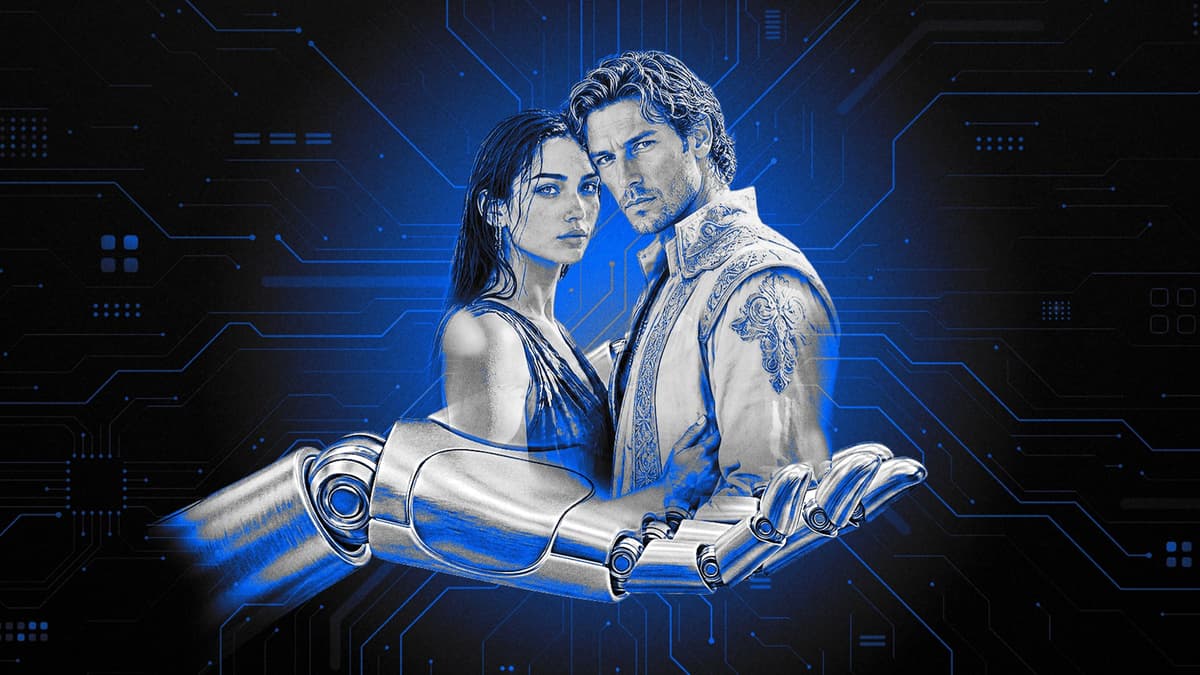
Vertical video platforms turn to AI, cutting production jobs
Major microdrama platforms serving the U.S. market are rapidly replacing live-action productions with AI-generated content, eliminating work for actors, crew members, and production staff who turned to the format after traditional Hollywood opportunities dried up following the 2023 strikes.
Platforms including DramaBox, DramaWave, and FlareFlow have increasingly adopted synthetic actors and AI-generated settings for their bite-sized vertical videos, according to a report by The Hollywood Reporter. Some platforms like My Muse and Inkitt Ironblood now release exclusively AI-generated content.
The economics driving the shift are stark. While live-action microdramas typically cost $100,000 to $300,000 to produce, AI-generated equivalents run $60,000 to $100,000, according to production studio Axis AI Studios. Some platforms claim costs as low as $1,000 to $3,000 per project. Production timelines have compressed from 12 weeks to two weeks, and crew requirements have dropped from 50 workers for seven days to five people for the same period.
Why it matters
Microdramas emerged as a crucial employment lifeline for Hollywood workers after the 2023 strikes devastated traditional production. The rapid pivot to AI-generated content demonstrates how quickly emerging job markets can evaporate when synthetic alternatives become viable—a pattern likely to repeat across creative industries as generative AI tools improve.
Workers report dramatic decline in opportunities
Talent manager Maddie Grove, who represents 15 actors in the vertical space, reported daily casting opportunities plummeting from 15-20 shows to approximately four starting in June. Actor Kylie Karson said her weekly auditions dropped from 5-15 to just two.
The shift accelerated after the February release of Seedance 2.0, an AI video generator that enabled more convincing narrative content. "We all started adopting when Seedance 2.0 came out," said Guy Shimoni, CEO of platform Shortical, which produces both live-action and AI microdramas.
Production designer Lucia Lopez lost her regular work when DramaShorts, a platform she'd been producing for monthly, went "fully AI" in July and terminated its contract with her production company. "They don't want anything as live action. And it was in the blink of an eye," Lopez told The Hollywood Reporter.
Unauthorized use of likenesses raises consent issues
Beyond job losses, actors report platforms using their performances and likenesses from live-action projects in AI-generated content without permission. Grove said she's witnessed four contract breaches related to AI use since June, often involving third-party advertising companies creating sexualized or clickbait content using actors' digital likenesses.
Social media users and industry observers have noted visual similarities between AI-generated characters in productions from DramaWave and DramaBox and actor Henry Cavill's appearance in The Witcher, raising questions about unauthorized use of celebrity likenesses.
Writer Tess Dinerstein sold a script to DramaBox before AI adoption became widespread, explicitly telling an executive she didn't want it produced as an AI project. After that executive left the company, the script was released as an AI-generated show anyway—though DramaBox owned full rights to the material.
Viewer demand will determine the format's future
In China, where the microdrama format originated, more than 95 percent of titles in the first three months of 2025 were reportedly made using AI. Whether American audiences embrace or reject AI-generated microdramas will determine if the shift becomes permanent.
"If the audience doesn't show up for AI, then they're going to stop making that content," said actor Eli Jane, who has appeared in approximately 30 vertical dramas.
The Hollywood Reporter first reported these details in its September 9 issue.
This is an original analysis by the Omega editorial team. Source reporting: AI Watch.
Want systems like this working for your business?
Book a Call