AI Infrastructure Spending Adds 0.2% to US Inflation Rate
Data center expansion drives up electricity costs, memory chip prices, and construction wages as $750 billion in annual AI investment ripples through the economy.
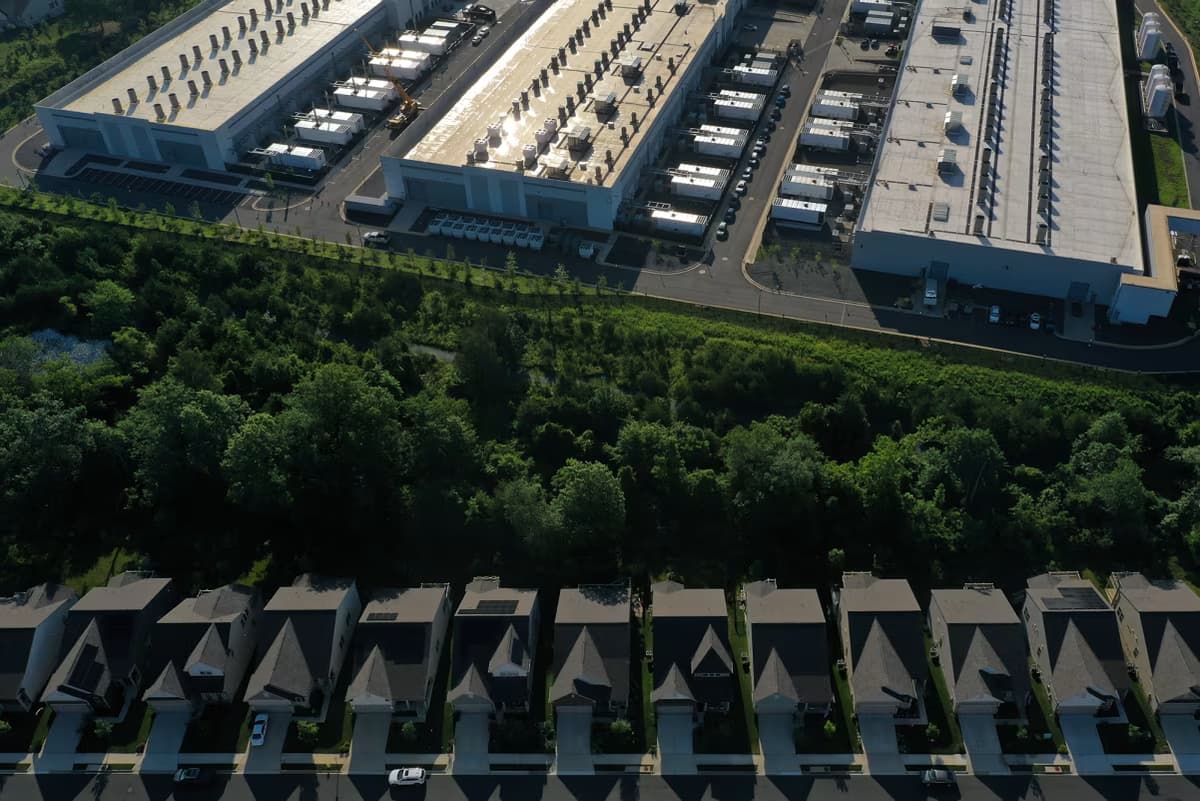
The artificial intelligence boom is adding measurable inflationary pressure to the US economy, contributing an estimated 0.2 percentage points to overall price increases as companies pour roughly $750 billion into AI infrastructure this year, according to analysis from Moody's Analytics.
The impact translates to an additional $375 in annual household spending to maintain the same standard of living, chief economist Mark Zandi told CNN, which first reported the findings. While AI remains a minor inflation contributor compared to broader economic forces, the price pressures are intensifying and spreading across multiple sectors.
Electricity costs climb as data centers strain the grid
Residential electricity prices rose at roughly double their historical average rate in 2025, with the trend accelerating through the first five months of this year, according to Bureau of Labor Statistics data. The culprit: data centers consuming power faster than utilities can expand generation capacity.
PJM Interconnection, the nation's largest grid operator, notes that data center facilities can be built two to three times faster than the electricity generation systems required to serve them. This supply-demand mismatch has driven wholesale electricity prices higher, with data centers willing to pay premium rates that ultimately flow through to residential customers.
"Data centers are demanding huge amounts of power, and that's tending to crowd out the electricity available to distribute to residents," Pooja Sriram, US economist at Barclays, explained to CNN.
Electricity prices fell 1% in June but remain 4% higher than a year ago, outpacing overall inflation.
Memory chip shortage hits consumer electronics
The data center buildout has created acute shortages in memory chips, as manufacturers prioritize high-bandwidth, high-speed products for AI applications over components used in consumer devices. The Producer Price Index for semiconductor and electronic component manufacturing surged 26% year-over-year through June—a dramatic reversal from the 0.8% decline recorded in June 2025.
These wholesale price increases are now reaching consumers. Apple raised prices on popular products by roughly 20% late last month, citing an "extraordinary surge" in demand for memory and storage driven by AI data centers. Microsoft increased Xbox console prices by approximately 25%, while Sony raised PlayStation prices earlier this year for similar reasons.
For the first half of this year, computers and related products experienced price inflation—an unusual development for a category that typically sees prices fall as technology advances.
Microsoft's decision to raise personal Office 365 subscription prices by 43% in February, adding its Copilot AI tool, illustrates how AI features are also pushing software costs higher.
Construction sector faces resource competition
Data center construction is straining supplies of copper, electrical wiring, and skilled labor. National wage data shows "robust divergence" between construction sector pay and overall wage growth, according to Thierry Wizman, global FX and rates strategist at Macquarie Group. This wage pressure may be contributing to housing affordability challenges as construction costs rise.
Why it matters
Federal Reserve officials are monitoring these AI-driven price pressures as they manage monetary policy. While currently contained to specific categories, the inflationary effects could broaden as AI adoption accelerates. The pattern mirrors historical technology transitions where short-term economic disruption precedes longer-term productivity gains—though the timeline and magnitude of AI's ultimate impact remain uncertain. For businesses planning capital expenditures and consumers managing household budgets, these price pressures show no signs of abating soon.
These details were first reported by CNN, with additional reporting by David Goldman.
This is an original analysis by the Omega editorial team. Source reporting: AI Watch.
Want systems like this working for your business?
Book a Call
