BlackRock-Backed 1GW Data Center Planned for Water-Stressed Brazil
Atlas Renewable Energy's facility in Paracatu would exceed Brazil's entire current data center capacity, in a region where 80% of territory faces water conflicts.
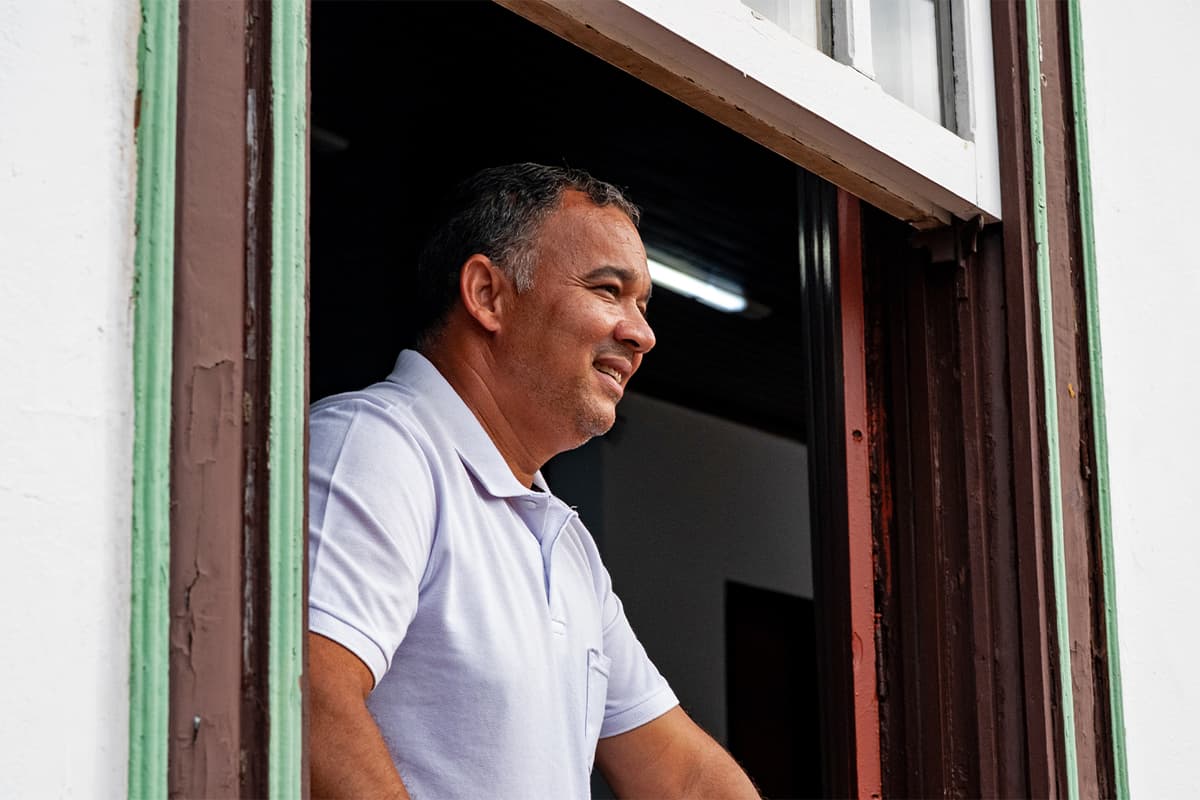
BlackRock subsidiary plans Brazil's largest data center without local consultation
Atlas Renewable Energy, owned by a BlackRock subsidiary, is planning a 1-gigawatt data center in Paracatu, Brazil that would surpass the combined capacity of all data centers currently operating in the country. The facility would rival projects in the U.S.-backed Stargate AI infrastructure initiative.
Local officials and residents told reporters they learned about the multi-billion-dollar project only when journalists contacted them for comment. Manoel Alves, president of Paracatu's city council, discovered the construction timeline—slated to begin within two months—through a reporter's inquiry in May 2026. The mayor's office was similarly uninformed.
The project exemplifies a global pattern of technology companies seeking resource-rich developing nations to support AI infrastructure expansion, even as data centers face mounting scrutiny over their water and electricity consumption.
Water scarcity contradicts company's site selection rationale
Atlas cited abundant water supply as a key factor in choosing Paracatu, a municipality of 100,000 people located three hours from Brazil's capital. That characterization conflicts sharply with local conditions.
Approximately 80% of Paracatu's territory sits within officially designated water conflict zones, according to state government data. These areas experience water demand exceeding available supply, requiring collective management committees to allocate usage rights. The municipality also contains groundwater restriction zones where demand has surpassed 100% of reserves.
"To say that there is plenty of water is controversial," said Almir Paraca, a former Paracatu mayor. "We have many long-standing water conflicts in the municipality and the region."
Residents report visible declines in water availability. Sebastiana Neto, who has lived in the Alto da Colina neighborhood for 57 years, recalls childhood streams and springs that have since disappeared. Small farmer Eduardo Rodrigues de Araujo now must drill five meters deep to reach water in his well, compared to one meter in previous years.
Mining and agriculture already strain water resources
Paracatu hosts Brazil's largest open-air gold mine, operated by Canadian company Kinross, and 86,000 hectares of irrigated farmland. Both industries draw heavily on local water sources.
The state of Minas Gerais has declared 110 water conflict areas statewide, covering 26,000 square kilometers. Paracatu sits at the center of this crisis—while 90% of the state remains free of water conflicts, only 20% of Paracatu's territory avoids such designation.
Atlas's proposed data center location sits at the boundary of the Córrego do Engenho Velho water conflict area and 6.4 kilometers from a zone with 100% underground water restriction.
Project details and national context
The data center would be divided into three modules, with partial operations beginning in December 2027 and completion by 2030, according to documents submitted to Brazil's Energy Ministry. At full capacity under efficiency standards in Brazil's recently approved REDATA bill, the facility could consume up to 1.2 million liters of water daily—438 million liters annually.
Atlas told reporters the project remains "in a very preliminary study phase" with no technical decisions finalized. The company did not disclose water consumption estimates or source locations.
At least 68 data centers are planned across 37 Brazilian municipalities, according to analysis of national power grid access requests. Brazil lacks specific national environmental regulations for data center development.
Why it matters
The Paracatu case illustrates tensions emerging as AI infrastructure expansion collides with environmental constraints in developing nations. Companies seeking lower costs and abundant resources may overlook or underestimate existing ecological stress, while inadequate regulatory frameworks and limited community engagement create conditions for conflict. As AI computing demands escalate globally, similar scenarios are likely to multiply in resource-rich regions lacking robust environmental governance.
These details were first reported by Mongabay and Intercept Brasil.
This is an original analysis by the Omega editorial team. Source reporting: AI Watch.
Want systems like this working for your business?
Book a Call