AI Factories vs. Data Centers: Infrastructure Shift Explained
The economics of AI deployment are moving beyond GPUs to power, cooling, and system-level integration.
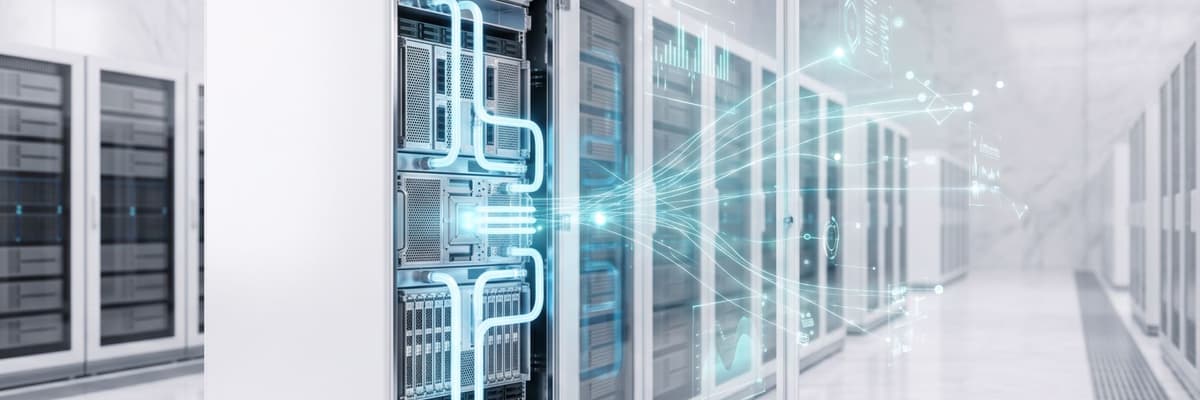
The phrase "AI factory" has moved from vendor marketing into mainstream tech discourse, and the distinction from traditional data centers is more than semantic. As organizations shift from AI experimentation to production deployment, infrastructure design is becoming a strategic bottleneck—and a competitive differentiator.
Why it matters
The first wave of AI investment focused on models and accelerators. The next phase centers on whether infrastructure can deliver AI capabilities efficiently at scale. That means power availability, cooling strategy, and system integration now matter as much as chip performance. Organizations that treat AI infrastructure as just another data center deployment risk underutilizing expensive capital and missing performance targets.
What defines an AI factory
Traditional data centers are built for mixed enterprise workloads, prioritizing uptime, flexibility, and cost control. AI factories are purpose-built environments optimized for training and inference workloads that demand massive parallel processing and high-speed data movement.
The success metrics differ fundamentally. Where conventional facilities measure availability and operational cost, AI infrastructure is judged by utilization, throughput, and efficiency. The goal is not simply keeping systems running—it's keeping them producing valuable output continuously.
Rack density tells part of the story. AI workloads generate far more heat per rack than traditional IT applications, pushing many deployments toward liquid cooling solutions that can handle higher thermal loads more efficiently than air-based systems.
Beyond the GPU narrative
GPUs dominate headlines, but they represent only one layer of the stack. When power delivery, cooling, networking, or storage becomes a bottleneck, even the most advanced accelerators sit idle. That reality is reshaping how vendors position AI infrastructure—less as standalone servers, more as integrated systems.
ASUS, according to details first reported by the company, now supports both air- and liquid-cooled AI infrastructure designs, reflecting how deployment choices increasingly depend on facility constraints and long-term efficiency goals rather than compute specifications alone.
Networking has evolved from background utility to critical fabric. In AI clusters, data must move between nodes fast enough to keep accelerators fed continuously. When interconnects lag, throughput drops and expensive hardware goes underutilized.
Storage faces similar pressure. It must deliver datasets at speeds that match training and inference demands, not just hold large volumes. Performance at every layer determines whether compute resources deliver value or waste capital.
The operational layer
Management software provides visibility into performance, utilization, thermal conditions, and potential bottlenecks. Without that layer, operators lose the ability to optimize costs and maintain efficiency as deployments scale.
The AI factory concept points toward where infrastructure competition is heading: inference efficiency, deployment speed, and the ability to run AI profitably at scale. The hard part is no longer acquiring hardware—it's designing systems that deliver AI value repeatedly and efficiently.
Every deployment involves trade-offs between performance and cost, density and efficiency, speed and operational complexity. That's why AI infrastructure has become a strategic story rather than a technical footnote. The next competitive edge may come not from better models alone, but from better systems.
These details were first reported by ASUS in a company blog post explaining AI factory infrastructure.
This is an original analysis by the Omega editorial team. Source reporting: AI Watch.
Want systems like this working for your business?
Book a Call