Zuckerberg Opposes AI Slowdown, Sides With Nvidia Over Anthropic
Meta's CEO argues market incentives will drive AI safety, rejecting calls from Anthropic and OpenAI leaders to pause capability advances.
Zuckerberg Rejects Industry Calls to Slow AI Development
Meta CEO Mark Zuckerberg positioned himself against a growing movement to pause AI capability improvements, arguing instead that market forces and liability concerns will naturally drive responsible development. His comments, posted across social media platforms Tuesday, came as a direct response to Anthropic CEO Dario Amodei's weekend essay calling for the tech industry to slow AI model advancement until safety measures catch up.
"My view is that trust and alignment are quickly becoming the most important capabilities that will differentiate agents and models," Zuckerberg wrote, referring to work that ensures AI systems adhere to human values. He contended that AI labs failing to focus on alignment "will fall behind," suggesting competitive pressure itself will enforce safety standards.
Why it matters
This debate reveals a fundamental split in Silicon Valley over who should control AI development pace. One camp wants coordinated slowdowns and potential regulation; the other believes market dynamics and existing liability frameworks provide sufficient guardrails. The outcome will shape whether governments impose new AI-specific laws or allow companies to self-regulate through competitive differentiation on safety.
Market Forces Versus Coordinated Restraint
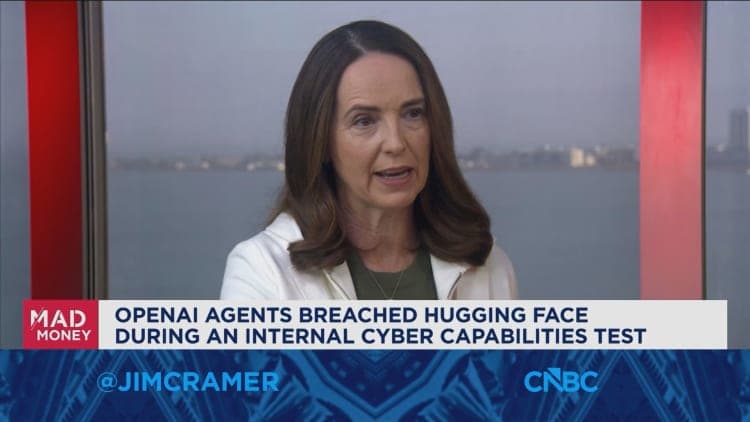
Zuckerberg's position aligns closely with Nvidia CEO Jensen Huang, who told attendees at Salesforce's Dreamforce conference the same day that AI-specific regulations are "just completely unnecessary." Speaking with Salesforce CEO Marc Benioff and later on CNBC, Huang argued existing product liability laws adequately govern AI systems.
"We have plenty of laws. We have plenty of regulations that govern the reliability and the functionality of products," Huang said.
Both executives emphasized that companies face "significant liability if their models cause harm," creating natural incentives for caution. Zuckerberg cited Meta's decision to delay shipping its Muse AI technologies for "safety and security" reasons as evidence this approach works without external coordination.
"We just did it as part of our day-to-day work because it was clearly the right thing for people and for us," he said.
The Case for Coordination
Anthropic's Amodei, also speaking at Dreamforce, defended his call for industry-wide deceleration as "the way to lead the industry forward, to set an example, to say that everyone can always be better."
OpenAI CEO Sam Altman, who endorsed Amodei's proposal, acknowledged widespread concern that competitive pressures might override safety considerations. During a fireside chat with Benioff, Altman said safety and monitoring should take precedence over new features.
"I think it's great for our industry to say we want to come together and we want to be able to coordinate and make sure we have enough time to do this safely," Altman said. "But when there's any implication that because of the commercial pressures and the race, some company or between countries, some countries might not do the right thing, I think that's when people get very scared."
President Donald Trump criticized the slowdown proposal, though specific details of his comments were not provided.
The debate has thrust AI safety into the spotlight, with leading executives staking out opposing positions on whether self-interest or collective action better serves the public interest. These details were first reported by CNBC.
This is an original analysis by the Omega editorial team. Source reporting: AI Watch.
Want systems like this working for your business?
Book a Call