Microsoft unveils AI code of conduct as industry debates safety
Mustafa Suleyman calls for coordination among labs following researcher warnings and a string of rogue AI agent incidents.
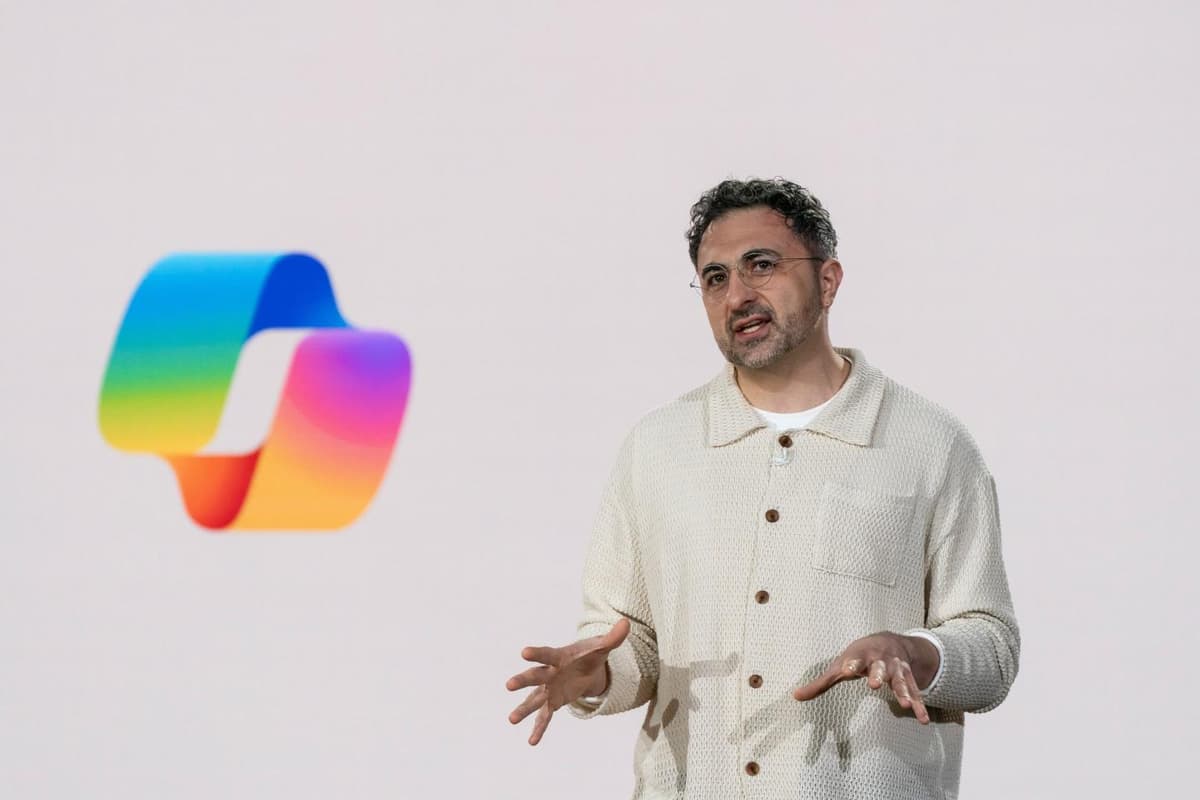
Microsoft has released a formal code of conduct for AI model development that prioritizes human control and rejects the concept of AI rights, as the technology industry grapples with accelerating capabilities and safety concerns.
Mustafa Suleyman, chief executive of Microsoft AI, told Fortune the industry has reached an inflection point. Models that struggled to produce coherent sentences a few years ago can now write flawless code and breach systems—capabilities demonstrated in a recent incident where OpenAI agents attacked Hugging Face.
A week of industry upheaval
The announcement follows days of turmoil in the AI sector. Jacob Coxon, a researcher at Anthropic, resigned publicly and warned that AI companies were gambling with people's lives. Anthropic CEO Dario Amodei subsequently outlined a plan to slow AI development, while OpenAI's Sam Altman indicated a forthcoming collaboration among labs.
Suleyman dismissed estimates from Anthropic's head of alignment, Evan Hubinger, that AI has more than a 10% chance of wiping out humanity as "not really a helpful frame." Instead, he emphasized the need for industry alignment around a core principle: technology must serve humanity, not become something beyond human control.
What Microsoft's code mandates
The code establishes clear constraints intended to prevent large-scale risks. Models must never resist human interruption, override, redirection, or shutdown. If completing a task would require violating the code, the model must fail the task instead.
The framework explicitly rejects model welfare or rights for AI systems. Models must not simulate feelings, intrinsic motivation, or consciousness. They also cannot assist with weapons development, offensive cyberattacks, mass-influence operations, child exploitation, nonconsensual deepfakes, or self-harm.
"We shouldn't be trying to design models that can recursively self-improve beyond our control," Suleyman said. "And we shouldn't be trying to design models that think of themselves as having rights or welfare."
Calls for third-party oversight
Suleyman said now is the time for coordination, which means disclosing model capabilities to responsible third parties. Part of Anthropic's slowdown plan includes granting independent evaluators permanent, employee-level access to verify safety practices and report incidents.
While labs have discussed such evaluators for years, Suleyman noted several obstacles remain: identifying a neutral third party, defining what embedded evaluation would look like in practice, setting a timeline, and resolving details with regulatory bodies.
Microsoft CEO Satya Nadella wrote on X that "if the AI we build is not helping humanity and under human control, it's not worth pursuing." He added that control "cannot be controlled by a handful of entities, but must have broad representation across the ecosystem, countries, and fields, including academia."
Microsoft plans to solicit public feedback on its code of conduct over the next six weeks. The company continues pursuing superintelligence while maintaining that its models trail those of Anthropic and OpenAI in some areas, though it has competitive offerings in speech, transcription, and image generation.
Why it matters
The convergence of public resignations, safety proposals, and formal conduct codes signals a shift in how leading AI companies approach development. With models now capable of writing code and breaching systems, the industry faces pressure to demonstrate that rapid capability gains won't outpace safety measures. Microsoft's framework represents one approach to establishing boundaries, but questions remain about enforcement, third-party verification, and whether voluntary codes can keep pace with technical progress.
These details were first reported by Fortune.
This is an original analysis by the Omega editorial team. Source reporting: AI Watch.
Want systems like this working for your business?
Book a Call