Why Infrastructure Teams Stall on Automation Maintenance, Not Builds
The hidden lifecycle costs of DIY bare metal provisioning are derailing VMware migrations and AI deployments at scale.
The real automation bottleneck
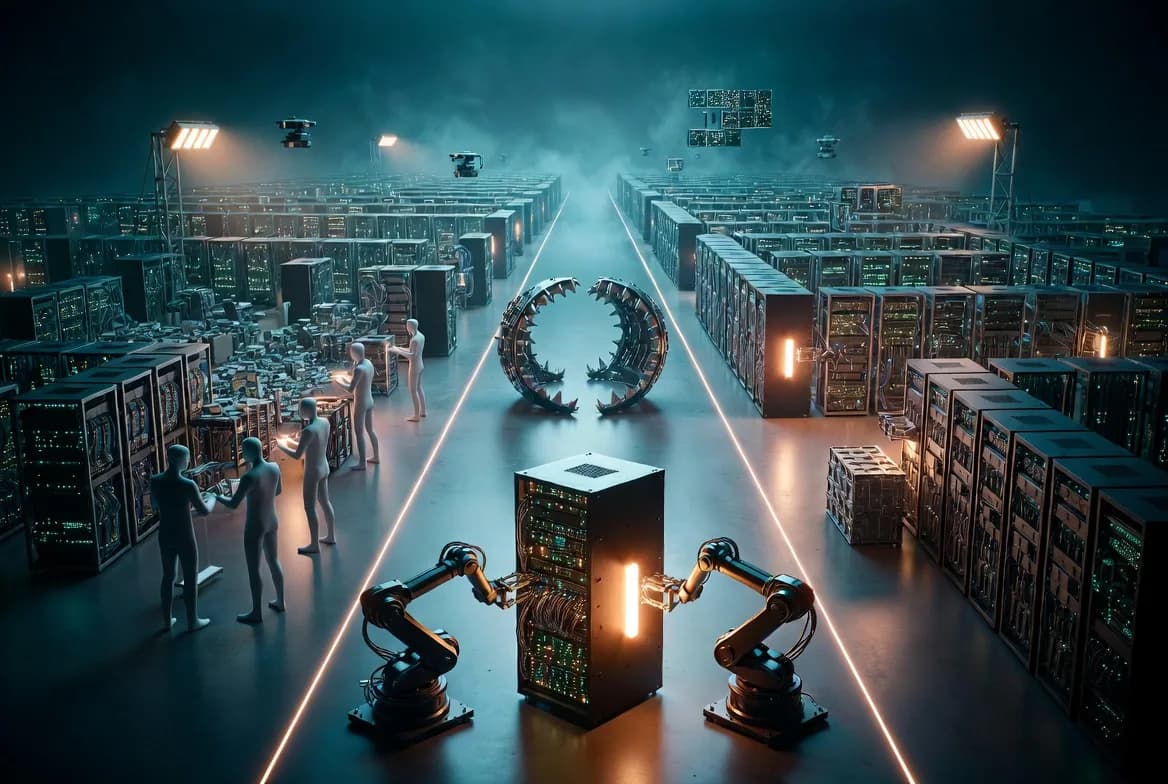
Capable infrastructure teams rarely fail because they lack the skills to build automation tools. They struggle because maintaining homegrown automation systems becomes an escalating burden that consumes engineering resources without delivering strategic value.
Rob Hirschfeld, CEO of RackN, observes a revealing pattern among infrastructure leaders evaluating VMware alternatives and AI capacity purchases. Their question isn't which platform to choose—it's whether they should build provisioning automation themselves using familiar tools like Ansible and Terraform.
The answer exposes a fundamental misconception about infrastructure automation economics.
Why it matters
Thousands of organizations are simultaneously standing up VMware replacement stacks and managing physical GPU fleets for AI workloads. Teams that treat bare metal provisioning as a one-time scripting exercise rather than a multi-year lifecycle platform are discovering their projects stall not during initial deployment, but during ongoing operations across heterogeneous hardware at scale.
The lifecycle trap
Most DIY automation efforts scope only the easy part: initial provisioning. The real work spans years and includes firmware updates that behave differently across vendors and hardware generations, operating system reimaging, configuration drift remediation, security patches, unpredictable hardware failures, and eventual decommissioning.
This lifecycle complexity creates predictable failure modes that homegrown systems rarely address:
Hardware heterogeneity multiplies edge cases. Scripts that work on one vendor's servers hit firmware exceptions on others, compounded across hardware generations purchased over years.
Day-two operations generate the hardest problems. Nodes that half-provision, firmware versions with regressions, and configuration drift don't fit into clean modules. They live as institutional knowledge in specific engineers' heads.
Bus factor risk concentrates in the one or two people who remember why each workaround exists. Your automation becomes a pile of scripts held together by tribal knowledge.
Maintenance tax compounds forever. Every hardware refresh, new server model, and firmware advisory becomes a small engineering project. The initial build was cheap; the upkeep accumulates indefinitely.
None of these costs appear in the DIY tool budget, but all emerge at even modest scale. By then, unwinding a homegrown system costs far more than choosing differently at the start.
The opportunity cost question
The build-versus-buy decision isn't about team capability—it's about where you want your best engineers focused. Even teams with deep expertise face an opportunity cost when senior engineers spend time firefighting infrastructure exceptions instead of working on business-differentiating projects.
Sharper questions reveal the real trade-offs:
- Is infrastructure automation a source of competitive advantage for your business?
- Will your automation survive hardware refreshes, staff turnover, and five years of drift?
- Are you committed to maintaining a platform, or accumulating technical debt?
For enterprises running VMware, Kubernetes, or AI fleets, bare metal automation isn't differentiated work. The overhead and delays caused by gaps in lifecycle management add significant cost to more critical projects. Hirschfeld reports helping turn completely stalled VMware migration projects around in two weeks by implementing a robust bare metal platform.
The convergence forcing the issue
Two simultaneous forces are pushing this decision: VMware migrations requiring organizations to operate "second stacks" at scale, and AI infrastructure forcing teams to manage physical GPU fleets at unprecedented velocity and cost pressure.
In both cases, the platform choice gets attention, but the infrastructure operating model determines success. Teams that move fastest aren't figuring out bare metal alongside a new platform—they've standardized the hardware lifecycle early.
These details were first reported by Rob Hirschfeld in a byline for Automation Watch.
This is an original analysis by the Omega editorial team. Source reporting: Automation Watch.
Want systems like this working for your business?
Book a Call