Policy
White House Won't Mandate AI Model Reviews, Relies on Voluntary Lab Cooperation
Cyber director Sean Cairncross says frontier AI companies are sharing new models for evaluation without regulatory requirements.
Key takeaways
- The Trump administration will not mandate compliance with its AI model review framework, relying instead on voluntary cooperation from frontier labs.
- White House cyber director Sean Cairncross says AI companies have been proactive in sharing new models for government evaluation.
- The administration withheld the full framework text to enable franker conversations with AI companies, though greater transparency is promised soon.
- Estonia's prime minister warned that Russia's hacking capabilities have improved alongside AI advances, with some cyber attacks potentially rising to NATO's Article 5 threshold.
- The U.S. approach contrasts sharply with European AI regulation and the previous Biden administration's policies.
White House Maintains Voluntary Approach to AI Model Evaluation
The Trump administration will not release a mandatory framework for reviewing advanced AI models, White House cyber director Sean Cairncross confirmed Monday. Instead, the government is relying on voluntary cooperation from frontier AI laboratories, which Cairncross said has been forthcoming.
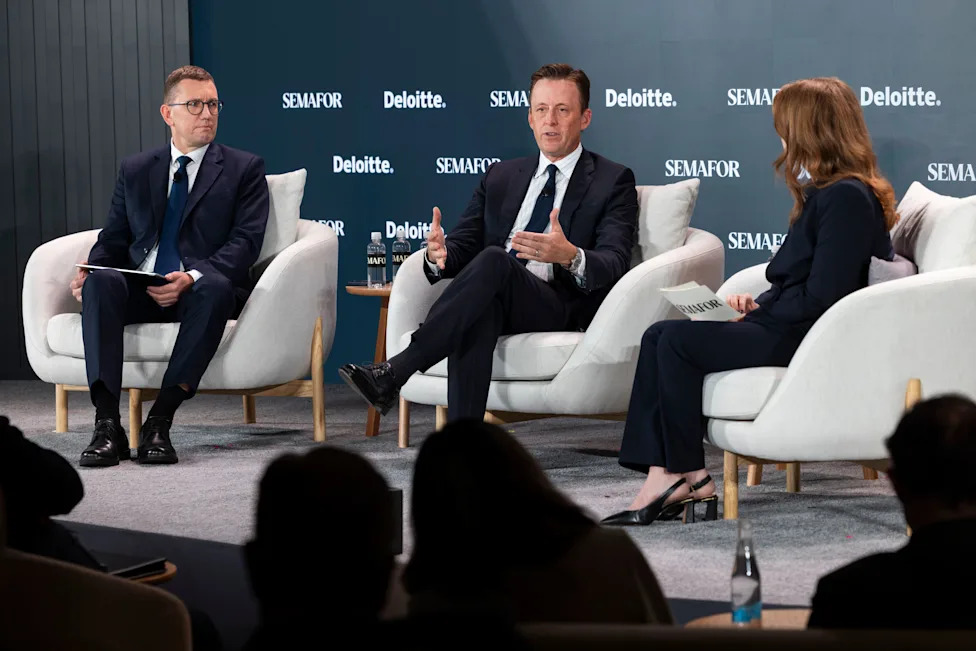
"The labs have been extremely good about being in communication with us and giving their new models for evaluation to be assessed," Cairncross said during an appearance at Semafor's Silicon Valley & The World event.
The cyber director argued that implementing strict regulatory requirements would be counterproductive given the pace of AI development. The administration has chosen not to publish the complete text of its evaluation framework—originally initiated through a June executive order—to facilitate more candid discussions with AI companies. Cairncross indicated the White House plans to provide greater transparency about how the process functions in practice.
Why It Matters
This approach represents a significant divergence from both the Biden administration's more prescriptive AI policies and the regulatory frameworks emerging in Europe. By blocking state-level AI regulation while maintaining only voluntary federal oversight, the Trump administration is betting that industry self-governance can keep pace with AI risks. For AI companies, this creates a more permissive operating environment but also places greater responsibility on them to identify and mitigate potential harms from their models.
AI's Dual Role in Cybersecurity
Cairncross expressed optimism about AI's defensive capabilities in cybersecurity, describing recent advances as "unimaginable even a short time ago." However, Estonian Prime Minister Kristen Michal, who appeared alongside Cairncross, offered a sobering counterpoint: Russia's offensive hacking capabilities have also improved substantially with AI advancement over the past year.
Michal reported that Estonia's highly digitized government infrastructure faces mounting cyber attacks from private actors as well as state-sponsored threats from Russia, North Korea, and Iran. When questioned about whether cyber attacks could constitute acts of war, the Estonian leader suggested some incidents might meet NATO's Article 5 threshold for collective defense.
"It's mainly a question about the consequences," Michal said.
The contrast between the U.S. approach to AI governance and the escalating cyber threat landscape highlighted at the event underscores the tension between enabling innovation and managing national security risks. The administration's light-touch regulatory stance extends beyond AI model reviews to include efforts preventing individual states from imposing their own AI requirements.
These details were first reported by Semafor.