White House Factions Clash Over AI Regulation Executive Order
Internal divisions pit Chief of Staff Susie Wiles against former AI czar David Sacks as Trump weighs whether to resurrect a canceled framework for early model review.
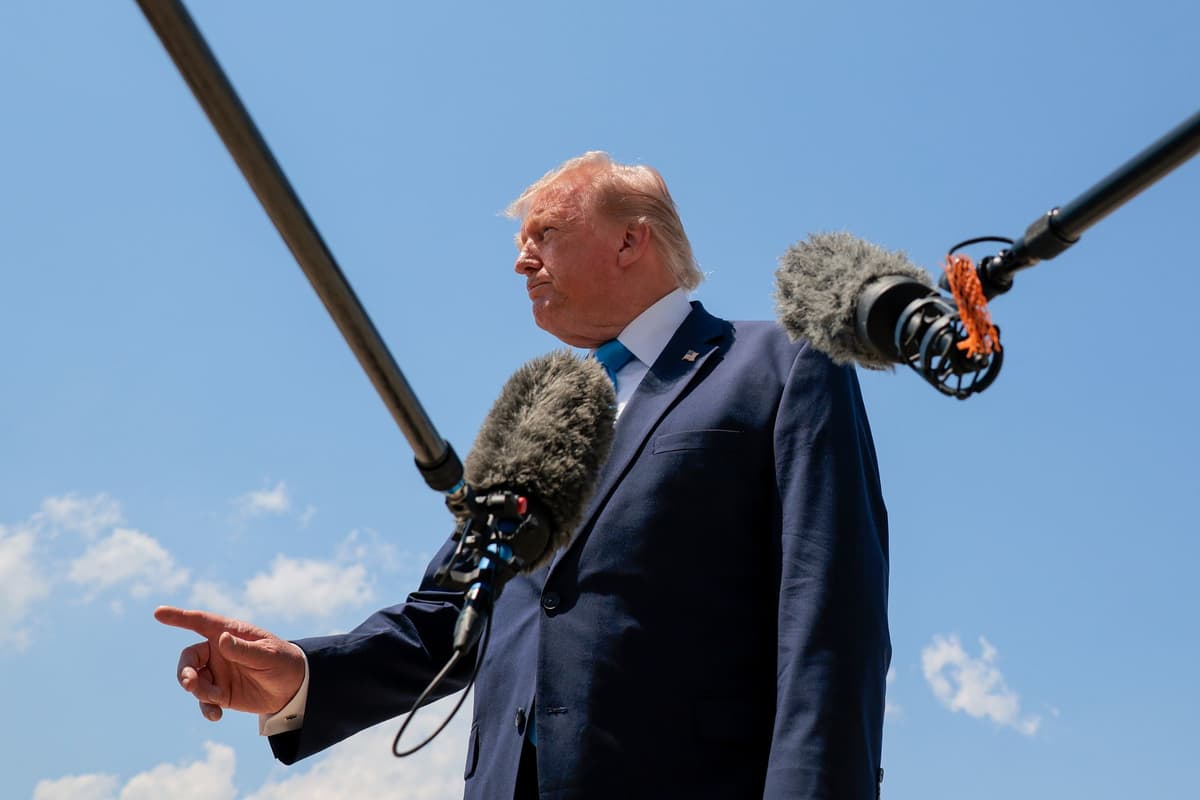
The Trump administration is locked in internal conflict over whether to revive an artificial intelligence executive order that President Trump canceled just hours before its scheduled signing on May 21, according to WIRED, which first reported the details.
The aborted order would have established a voluntary framework allowing the White House early access to AI models from companies like OpenAI, Anthropic, and Google before public release. The goal: evaluate cybersecurity capabilities as models grow increasingly sophisticated at identifying vulnerabilities in legacy software systems.
Why it matters
The internal battle reveals how national security concerns around frontier AI are colliding with the administration's deregulatory instincts. With models like Anthropic's Mythos and OpenAI's GPT-5.5 demonstrating advanced capabilities in finding software vulnerabilities, the question of government oversight has become urgent—even as key officials remain divided on whether regulation would help or hinder U.S. competitiveness against China.
The opposing camps
White House Chief of Staff Susie Wiles is leading the push to resurrect the executive order, joined by Treasury Secretary Scott Bessent and National Cyber Director Sean Cairncross. Bessent has recently met with Anthropic CEO Dario Amodei and other AI executives to chart a path forward, and is expected to lead negotiations on cross-border AI regulation with China.
On the opposing side stands David Sacks, Trump's former AI czar, who reportedly convinced the president to cancel the signing ceremony. Sacks argued the order would be too burdensome and wrote on X that "unnecessary regulation is the biggest threat to innovation in America."
Trump himself canceled the planned signing after telling reporters the order could stifle domestic competition and erode America's AI advantage over China. Administration officials say resolving the internal dispute only matters if it ultimately persuades Trump to approve a revised version.
Uncertain path forward
The canceled executive order proposed that AI labs could submit models up to 90 days before public release. However, multiple AI executives told WIRED their companies may not be prepared to share models that far in advance. The chaotic deliberations have left Silicon Valley players uncertain about what any revised order might require—or whether one will materialize at all.
Other key officials have remained on the sidelines. Commerce Secretary Howard Lutnick has played a minimal role despite his interest, partly because his department already operates the Center for AI Standards and Innovation, which tests frontier models without formal preapproval requirements. The Pentagon, through Undersecretary Emil Michael, has focused primarily on securing early access to models for defense purposes.
A senior administration official characterized the situation as fluid, telling WIRED that "we're back to the drawing board, so everything is still to play for."
The details were first reported by WIRED.
This is an original analysis by the Omega editorial team. Source reporting: WIRED.
Want systems like this working for your business?
Book a Call
