Trump Administration Announces $5B AI-for-Science Initiative
Fifteen federal agencies will use artificial intelligence and DOE supercomputers to tackle chronic disease, drug discovery, and materials research.
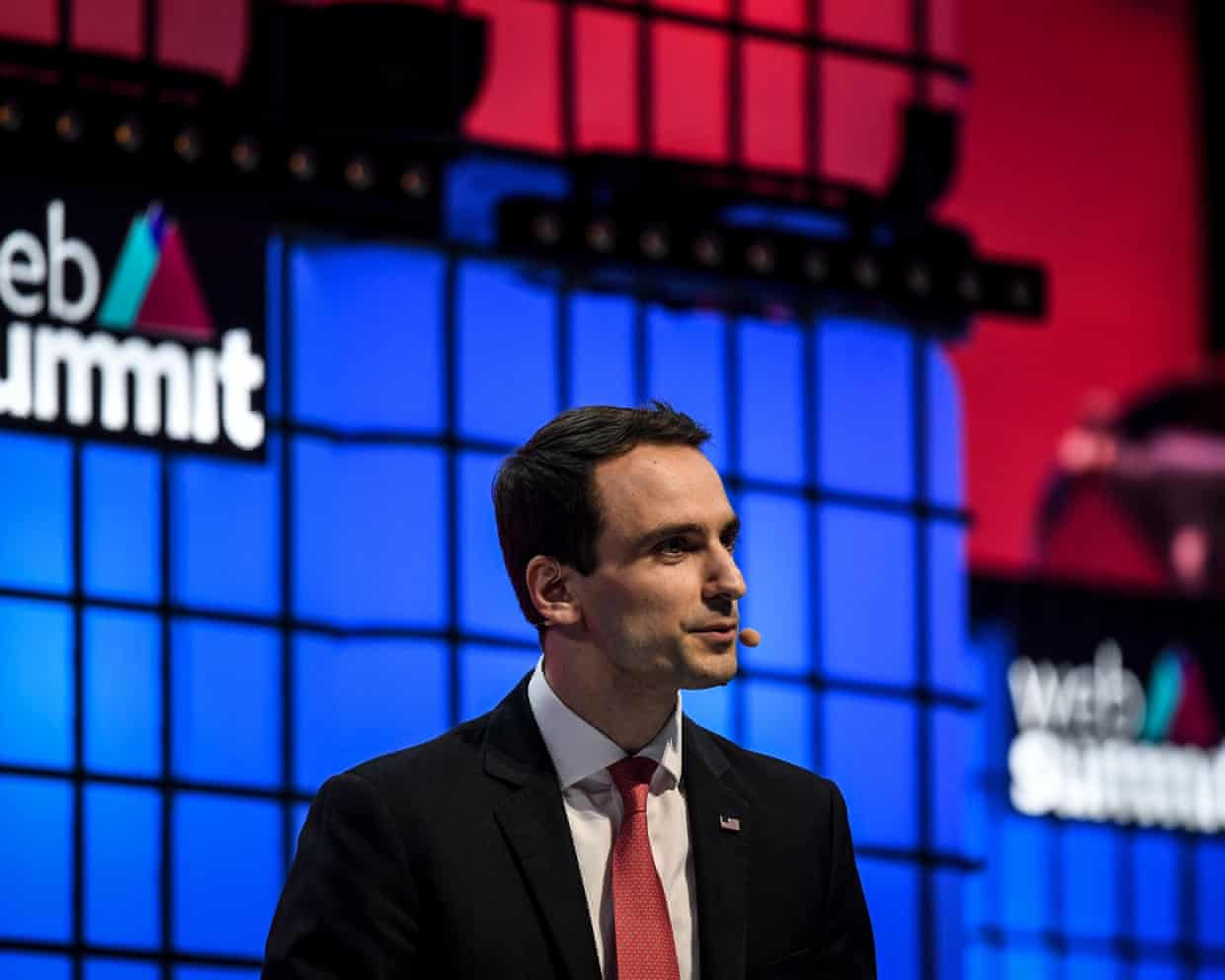
Federal agencies mobilize around AI research
The Trump administration announced Wednesday a $5 billion initiative to deploy artificial intelligence across major scientific challenges, from identifying the root causes of chronic diseases to developing more durable building materials.
Fifteen federal agencies will participate in the effort, including the Departments of Health and Human Services, Energy, Transportation, Defense, and Interior. Scientists working under the program will gain access to the Department of Energy's supercomputing infrastructure, specialized AI tools, and government datasets, according to Michael Kratsios, chief technology adviser to President Trump.
"The White House is helping bring together all of the different agencies that work on different domains to make them part of this larger effort on AI for science," Kratsios told Reuters.
Microsoft announced it will contribute $40 million in AI computing credits over three years to support the initiative.
Why it matters
The federal government controls some of the world's largest scientific datasets—spanning chemical compounds, critical minerals, and patient health records. Training AI models on this information could accelerate breakthroughs that have eluded traditional research methods. The initiative also signals a broader shift in how Washington funds science, with potential implications for university research programs that have historically received the bulk of federal grants.
Shift toward direct scientist funding
The announcement coincides with a White House report released Tuesday that proposes overhauling federal research funding. Authored by Kratsios, the report advocates for directing more support to individual scientists and AI applications rather than channeling funds through universities.
"Federal support for science must be politically accountable," the report states.
This approach would give the administration greater control over research spending. Federal courts have already challenged similar moves—an appeals panel ruled in January that the Trump administration cannot unilaterally cut National Institutes of Health grant funding to universities conducting scientific and medical research.
Leveraging government data at scale
AI models require large volumes of data to identify patterns, generate predictions, and automate complex decisions. The federal government's extensive repositories present an opportunity to train algorithms on information that isn't readily available elsewhere.
Kratsios described the $5 billion research initiative as a vehicle for applying those AI models to answer longstanding scientific questions. Specific applications include accelerating drug discovery processes and engineering building materials with extended lifespans.
The details were first reported by The Guardian.
This is an original analysis by the Omega editorial team. Source reporting: AI Watch.
Want systems like this working for your business?
Book a Call
