White House Backs Nuclear Power With $17.5B in Loans
Energy Secretary Chris Wright announces funding for 10 large reactors as AI data centers strain the U.S. power grid.
White House accelerates nuclear expansion amid AI energy crunch
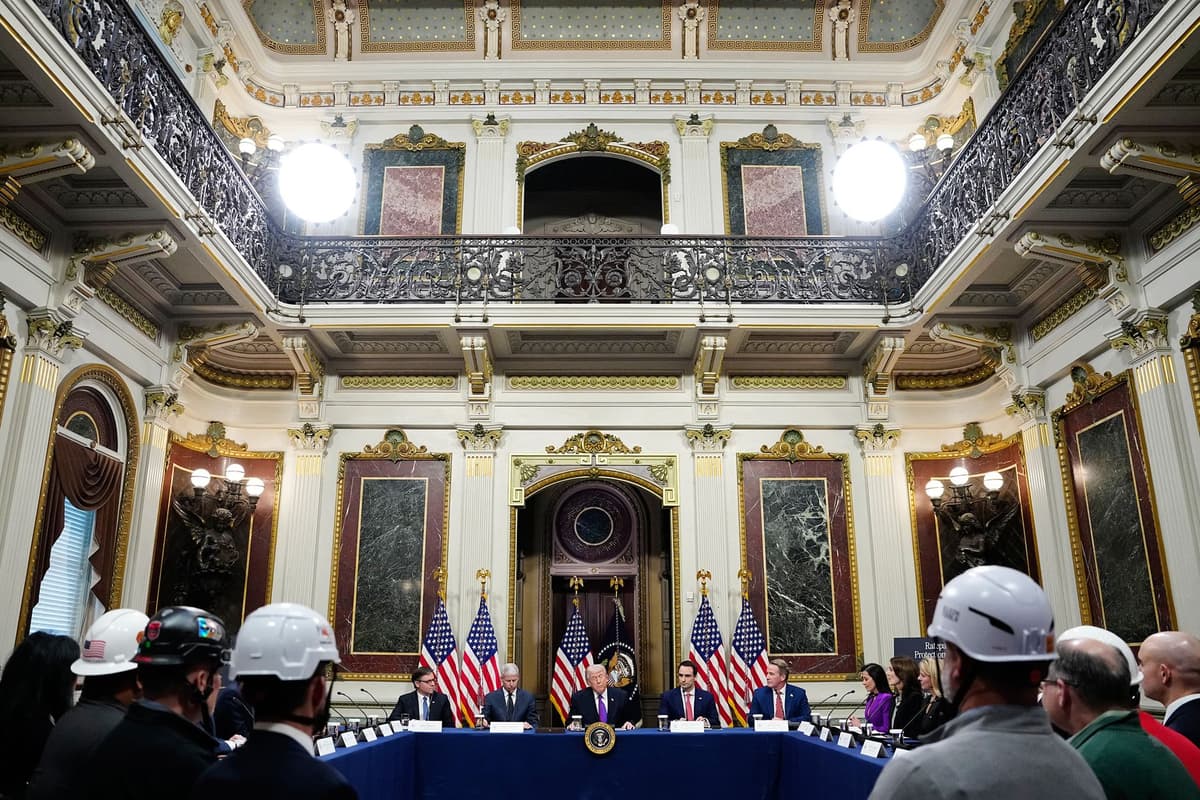
The White House is committing $17.5 billion in federal loans to build 10 new large-scale nuclear reactors across the United States, part of a broader strategy to address surging electricity demand driven by artificial intelligence infrastructure and data centers.
Energy Secretary Chris Wright outlined the administration's nuclear agenda this week, emphasizing both conventional reactor construction and the deployment of smaller modular designs. The dual approach reflects urgency around power supply as tech companies expand AI computing capacity that requires massive amounts of continuous electricity.
Why it matters
AI workloads consume far more energy than traditional computing, and the buildout of data centers is outpacing grid capacity in many regions. Nuclear power offers carbon-free baseload generation that can run 24/7, unlike intermittent renewables. How quickly the U.S. can deploy new reactors will directly affect whether AI companies can scale domestically or must look abroad for energy-rich locations.
Small modular reactors race toward deployment
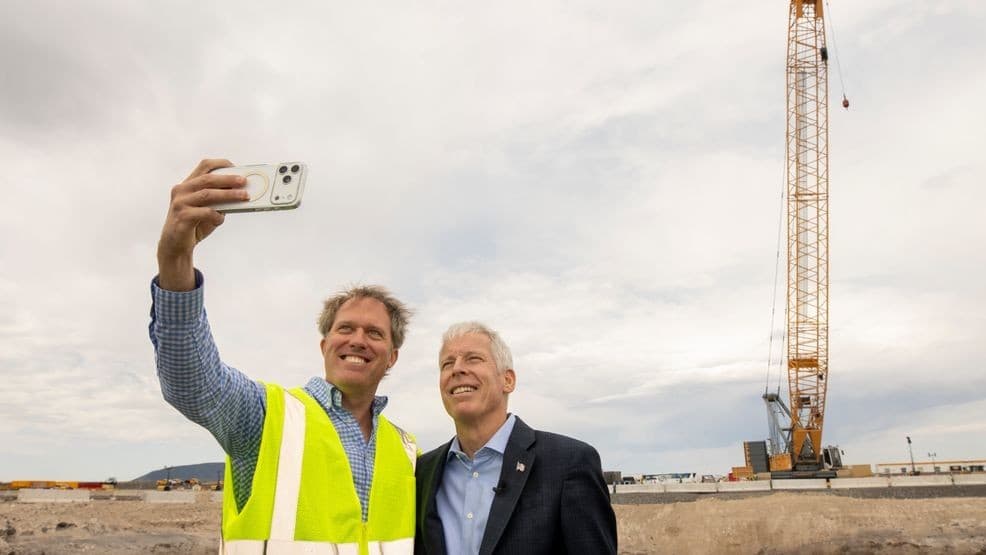
Alongside conventional plants, the federal government is pushing companies to commercialize small modular reactors (SMRs). Oklo, a Texas-based firm, is working to bring its reactor online by July 4 under a timeline set by Trump administration executive orders. The company says it built its reactor in 229 days, among the fastest construction periods on record.
Two next-generation reactors—one in Idaho and one in Utah—reached criticality this month, according to Wright, with a third expected soon. "Now we have the new nuclear age beginning right now, the golden era of nuclear energy," Wright told CNBC.
Oklo CEO Jacob DeWitte stressed that U.S. leadership in nuclear technology depends on translating designs into physical infrastructure. "We still have an edge in innovation and designs and underlying technologies, but that doesn't matter if we're not building things," DeWitte said.
Army eyes portable reactors for base security
The nuclear push includes a national security dimension. The U.S. Army is exploring portable nuclear reactors that could power military installations if the electrical grid goes offline, reducing dependence on diesel fuel during cyberattacks or other disruptions.
Wright framed Idaho as the center of the nuclear industry but said the technologies will be deployed nationwide. The administration's $17.5 billion loan program is designed to accelerate construction timelines for large reactors, which historically have faced cost overruns and delays.
These details were first reported by TNND.
This is an original analysis by the Omega editorial team. Source reporting: AI Watch.
Want systems like this working for your business?
Book a Call