White House AI Model Delays Fracture Tech Industry Coalition
Administration requests to postpone releases of GPT-5.6 and other frontier models spark debate over national security versus innovation.
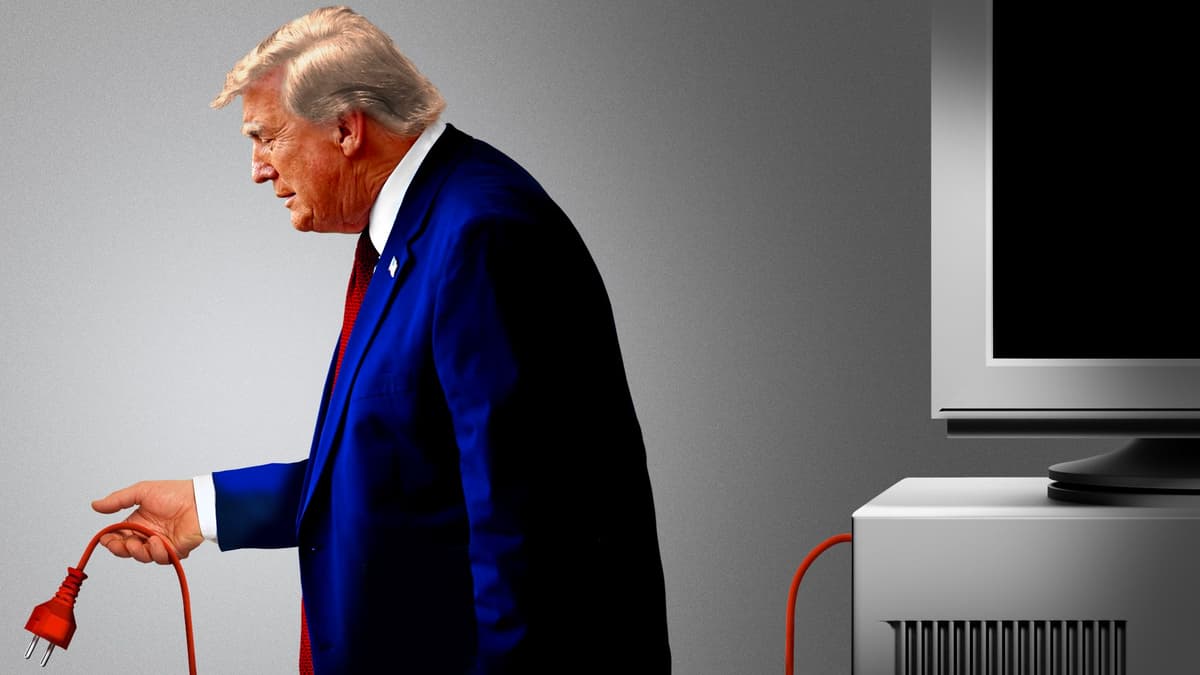
The Trump administration's decision to delay releases of advanced AI models has fractured what was once a unified pro-innovation coalition, pitting national security advocates against those who warn the restrictions will hand China a competitive advantage.
Why it matters
The dispute reveals a fundamental tension in U.S. technology policy: whether protecting against potential AI risks justifies measures that could slow domestic companies while foreign competitors face no such constraints. The outcome will determine how America's most strategically important technology sector operates.
Administration imposes release delays
The White House recently asked OpenAI to postpone a broad rollout of its latest model, GPT-5.6, which will now launch in stages rather than all at once. The directive follows similar restrictions on Anthropic, which was forced to suspend access to its Fable 5 and Mythos 5 models, according to Axios, which first reported the details.
Mythos has returned on a limited basis after Commerce Secretary Howard Lutnick said Anthropic's government collaboration had "yielded significant progress," according to a letter obtained by Axios. Fable 5 may follow soon.
Former officials warn of strategic reversal
David Sacks, Trump's former AI and crypto czar, publicly criticized the approach as contradicting the administration's own strategy. "A year ago, President Trump declared that America was in a global AI race and that the way to win it was to be pro-innovation," Sacks wrote on X. "We deviate from that strategy at our peril."
Box CEO Aaron Levie called the shift "one of the most important changes in the AI landscape in the past four years," noting that competitive pressure between labs has driven rapid progress through constant capability leapfrogging.
Market and competitive implications
The restrictions create asymmetry: U.S. companies face government-imposed speed limits while Chinese rivals operate without such constraints. Two separate security evaluations show Chinese AI systems have already matched the best U.S. models on cybersecurity capabilities. Open-source Chinese model usage has surged recently as users seek to minimize costs, with Chinese systems now occupying several top positions on OpenRouter's usage leaderboard.
Venture capitalist Paul Kedrosky described the situation as "hugely bearish" for investors, warning that government-controlled deployment delays could force lower valuations for AI labs whose most valuable products face uncertain release timelines.
Industry seeks clarity over discretion
While some executives support government involvement in principle, many want transparent rules rather than case-by-case access decisions. Mark Pincus, Zynga founder and investor in both OpenAI and Anthropic, said he supports regulation but "it's hard to build when there's a moving target."
Kevin Bankston, AI governance advisor at the Center for Democracy and Technology, warned bluntly: "This is how you crash the U.S. AI market."
The details were first reported by Axios.
This is an original analysis by the Omega editorial team. Source reporting: AI Watch.
Want systems like this working for your business?
Book a Call
