Washington State Poised to Regulate AI Data Centers in 2025
After failed 2024 legislation, lawmakers plan new rules on energy costs, water use, and grid reliability as public opposition intensifies.
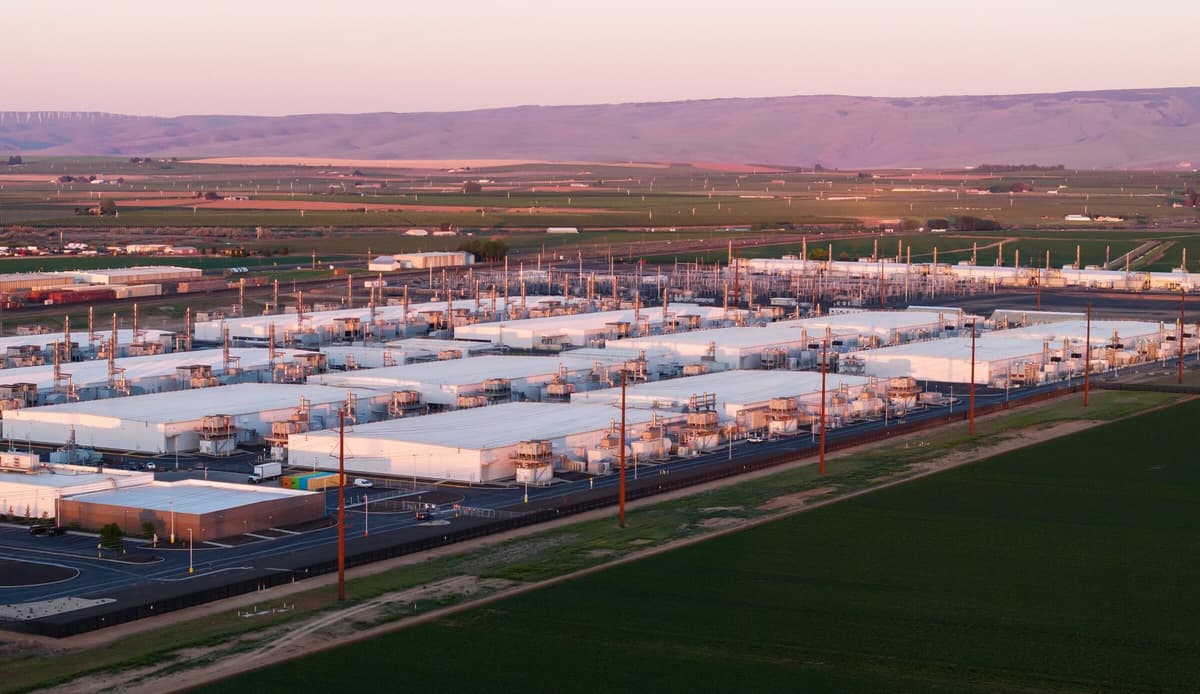
Washington state lawmakers are preparing to introduce new regulations for AI data centers when the legislative session begins in January 2025, following the failure of comprehensive legislation earlier this year and mounting public opposition to the energy-intensive facilities.
Democratic legislators attempted to pass broad data center protections during the 2024 session but the ambitious bill collapsed during the 60-day budget-focused session. Since then, resistance has intensified nationwide, with seven in 10 Americans opposing data center construction in their communities, according to Gallup polling. Seattle's City Council unanimously approved a one-year moratorium on new facilities this month pending further impact studies.
Why it matters
Data centers have become the public face of AI backlash as communities grapple with concrete infrastructure costs—higher utility bills, water depletion, and grid strain—while questioning whether local economies will benefit. How Washington regulates these facilities could establish a template for other states confronting similar tensions between AI development and community resources.
Microsoft CEO outlines regulatory framework
Microsoft CEO Satya Nadella acknowledged the growing concerns in a recent New York Times Hard Fork podcast appearance, offering what amounts to a regulatory blueprint. "You can't deny the perception is terrible," Nadella said, referencing data centers' water and electricity consumption and AI's anticipated job displacement.
He proposed three core principles: data centers should not increase energy prices for other customers, must replenish all water they consume, and should create economic opportunities for host communities. These priorities align closely with public concerns identified in polling by tech consulting firm Milltown Partners.
The curtailment debate
House Bill 2515, sponsored by state Rep. Beth Doglio, would have required utilities to charge data centers different, higher electricity rates than other customers to prevent cost-shifting to residential and business ratepayers. The bill also mandated transparency around energy and water usage.
The legislation stalled over curtailment provisions—whether data centers should reduce power consumption during grid emergencies. Industry lobbyists, including the Data Center Coalition representing Microsoft, argued strongly against mandatory shutdowns. "Data centers cannot turn off. This is the backbone of the internet," said coalition representative Dan Diorio.
The Confederated Tribes and Bands of the Yakama Nation raised a different concern: during grid emergencies, hydroelectric dams increase turbine output to meet demand, suspending salmon protections and killing migrating fish. Adding thousands of megawatts of data center load could trigger more such emergencies.
Path forward
Lawmakers are exploring partnerships with data center developers to build new clean energy generation and transmission infrastructure that could serve both data center demand and broader grid modernization goals. In the interim, legislators plan to advance reforms where consensus exists, building on Doglio's framework that has already influenced discussions at public utility districts and the state Utilities and Transportation Commission.
These details were first reported by The Seattle Times editorial board.
This is an original analysis by the Omega editorial team. Source reporting: AI Watch.
Want systems like this working for your business?
Book a Call
