Policy
US restricts remote access to advanced AI chips via data centers
New Commerce Department rule closes loophole allowing foreign entities to bypass export controls through third-country cloud computing.
Key takeaways
- US Commerce Department issued interim rule restricting remote access to advanced AI chips through third-country data centers.
- The measure targets Chinese companies accessing powerful processors via overseas cloud computing to bypass physical export restrictions.
- New rule aligns remote computing safeguards with existing controls on physical chip shipments, addressing a growing enforcement gap.
- The policy follows May 2025 rescission of Biden administration's AI Diffusion Rule, which officials said burdened companies and strained ally relationships.
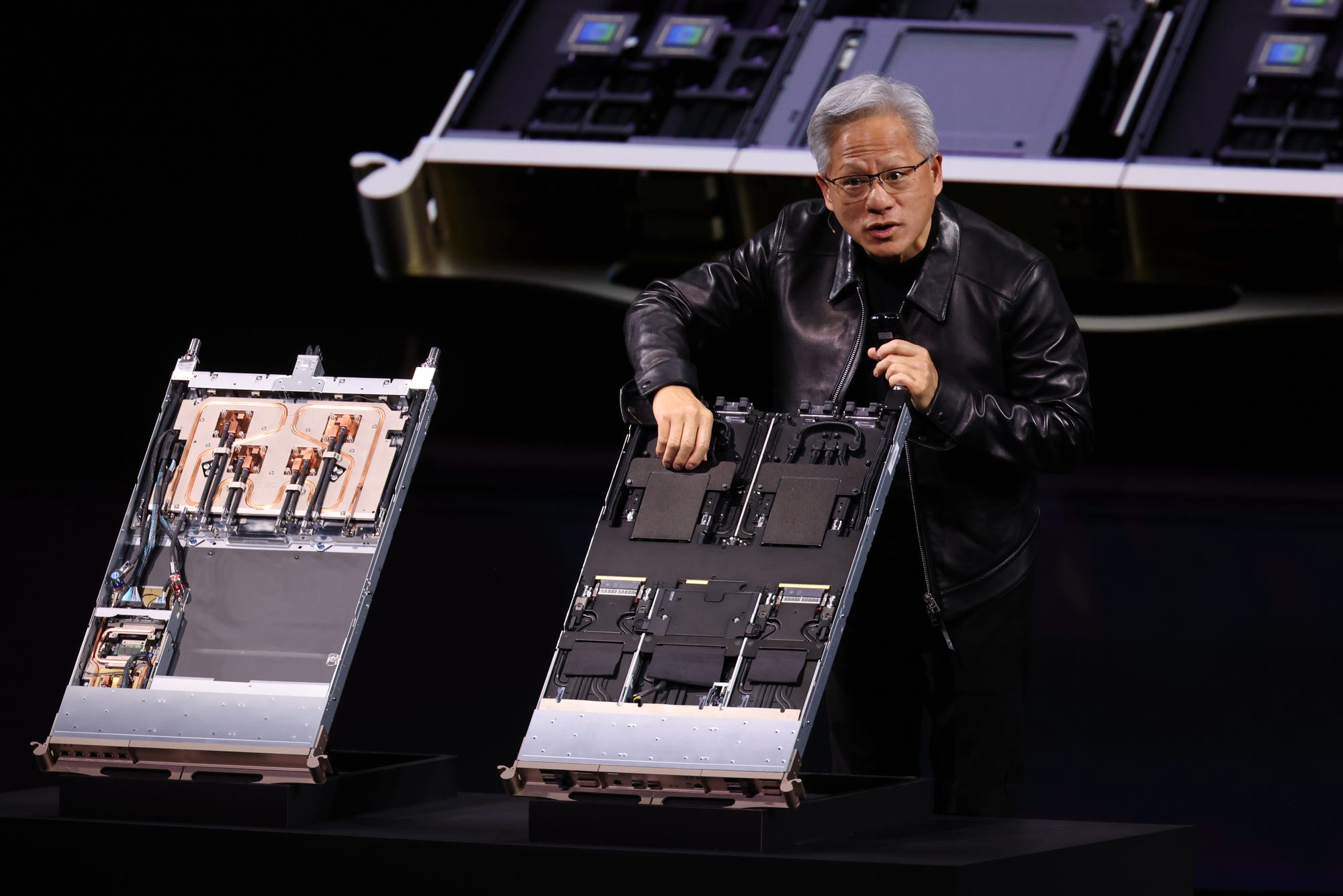
- Nvidia's advanced processors, including Blackwell-class chips, are central to debates over China's access to AI computing power.
The US Commerce Department has issued new restrictions on remote access to advanced artificial intelligence chips and servers, closing a loophole that allowed foreign entities to bypass export controls through cloud computing arrangements.
The Bureau of Industry and Security announced the interim final rule, which was developed in coordination with the Treasury Department and National Security Council. The measure specifically targets attempts to circumvent physical technology export restrictions by accessing computing power remotely through data centers located in third countries.
Closing the cloud computing loophole
The new rule brings safeguards for remote computing access into alignment with existing restrictions on physical chip shipments. This addresses a growing concern among US officials: companies in restricted countries gaining access to cutting-edge processors without importing the hardware directly.
Chinese companies have increasingly turned to overseas data centers as a workaround, using advanced processors remotely rather than attempting to import them into China. This approach allowed access to computing power from chips like Nvidia's high-end AI processors while technically complying with export restrictions on physical hardware.
Earlier reports suggested the planned controls could affect access to Nvidia's Blackwell-class processors and more advanced chips, though those reports preceded the official announcement.
Why it matters
This rule represents a significant evolution in how the US enforces technology export controls in the cloud era. As AI development increasingly relies on remote computing infrastructure rather than locally-owned hardware, traditional export restrictions focused solely on physical shipments have become easier to circumvent. The move signals that US regulators are adapting their enforcement framework to match how advanced computing resources are actually accessed and deployed in practice.
Policy shift from Biden framework
The announcement follows the Commerce Department's May 2025 decision to rescind the Biden administration's AI Diffusion Rule and develop a replacement framework. At that time, the department instructed enforcement officials to stop enforcing the previous administration's approach, arguing it created excessive burdens for companies and strained relationships with US allies.
Alongside that decision, the department issued guidance aimed at preventing chip diversion and addressing concerns about American processors being used to train Chinese AI models.
Nvidia, a dominant supplier of advanced AI processors, has been at the center of ongoing debates over restrictions on China's access to powerful computing technology. The company's chips are widely considered essential for training large-scale AI models.
According to Anadolu Agency, which first reported these details, the interim final rule marks the latest step in the US government's effort to maintain technological advantages in artificial intelligence while managing the complexities of global supply chains and cloud computing infrastructure.