U.S. Companies Adopt Chinese AI Models to Cut Costs
DoorDash, Cursor, and others turn to Moonshot and DeepSeek as American AI pricing climbs, despite security concerns.
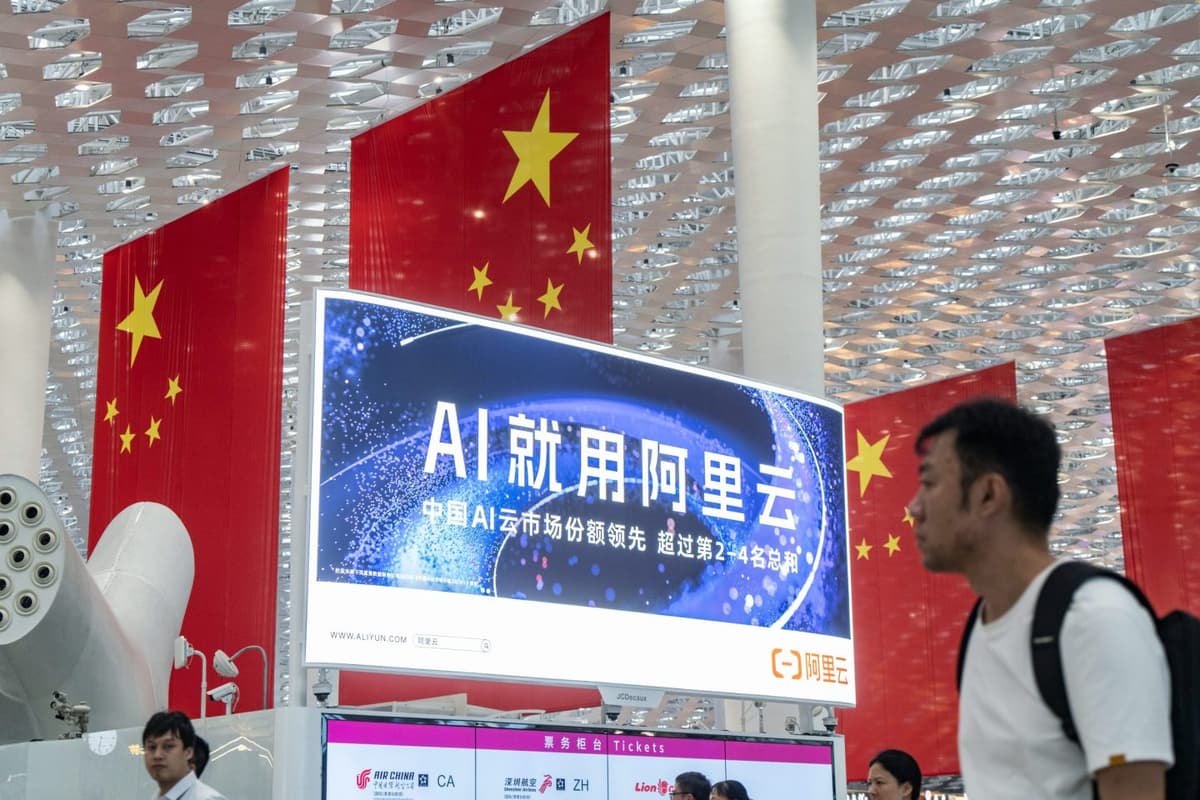
Cost pressures drive AI model diversification
Several prominent U.S. companies are incorporating Chinese AI models into their operations as costs for American alternatives from OpenAI, Google, and Anthropic continue rising. DoorDash co-founder and CTO Andy Fang announced this week that the company is launching an experimental AI agent tool using a model from Chinese startup Moonshot AI, which he described as offering "better quality" at "cheaper cost," according to Fortune.
The food delivery platform joins AI coding startup Cursor, which used Moonshot's Kimi model to build its Composer 2 coding agent, and Lindy, which reportedly abandoned Anthropic's tools entirely in favor of DeepSeek's V4 models. Larger enterprises including Airbnb and Siemens are also experimenting with Chinese AI providers like Alibaba and DeepSeek for daily operations.
Why it matters
This shift reveals a fundamental tension in the AI market: American companies built the most advanced models but priced them beyond what many businesses can justify for routine tasks. Chinese competitors offering open-source alternatives at lower price points are capturing market share not through superior technology, but through economic accessibility and data sovereignty appeals. The trend could reshape competitive dynamics in enterprise AI adoption.
Three factors driving adoption
Yasir Atalan, deputy director and data fellow in the Futures Lab at the Center for Strategic and International Studies, identified cost, capability, and open-source availability as the primary drivers. "What we're seeing right now is that it seems like the recent high-quality, high-performance models by U.S. companies seem expensive compared to Chinese models," Atalan told Fortune.
The open-source nature of many Chinese models appeals particularly to companies concerned about data privacy. Running models locally allows organizations to process sensitive information without sending proprietary data to external providers. However, this approach requires significant infrastructure investment—Atalan noted companies may need to spend $30,000 on GPUs, RAM, and storage to host models internally.
Security concerns remain
Not everyone views the trend favorably. Snehal Antani, co-founder and CEO of Horizon3.ai, warned that startups adopting Chinese models "risk severe data sovereignty violations by exposing proprietary code and user data to foreign surveillance," while also overlooking "critical vulnerabilities in model integrity and reasoning."
Atalan emphasized that companies aren't necessarily replacing U.S. models entirely. Instead, they're experimenting with mixed approaches, using different models for different tasks. "A company could try to use one of those open-source models for one task and use Claude for something else," he said.
Market penetration through distribution platforms
While few companies publicly disclose their use of Chinese AI models, these systems are widely accessible through platforms like GitHub and Hugging Face. A March 16, 2026 study from Hugging Face found that Chinese open-source models accounted for 41% of downloads on the platform.
Atalan suggested the ultimate decision factor may be pragmatic rather than political: if a model is "cheap and capable enough" and can run locally, businesses will likely adopt it regardless of its country of origin.
These details were first reported by Fortune.
This is an original analysis by the Omega editorial team. Source reporting: AI Watch.
Want systems like this working for your business?
Book a Call