AI Memory Chip Shortage Drives India Smartphone Slump
Shipments fell 10% as manufacturers prioritize high-margin AI data center components over consumer electronics memory.
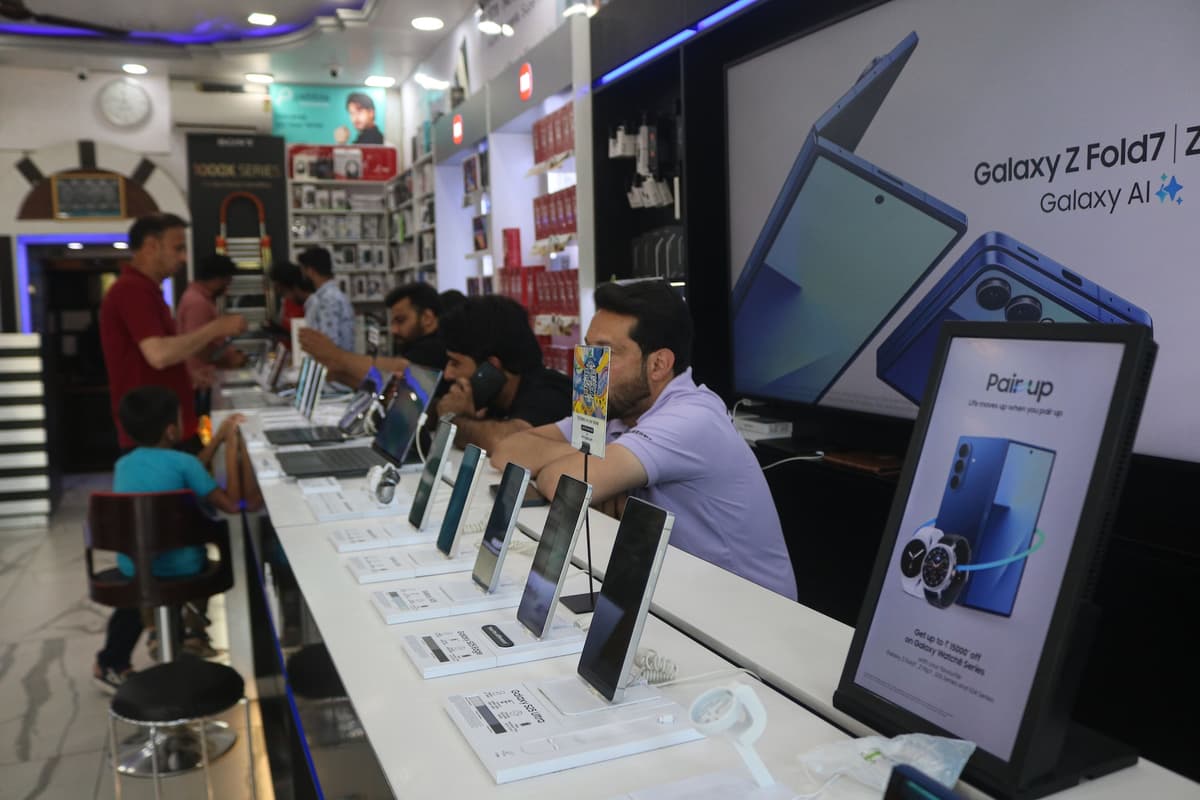
India's smartphone market contracts as AI reshapes chip supply
India's smartphone shipments dropped 10% year-over-year in the April-June quarter, marking the steepest June-quarter decline in six years as memory chip shortages drove up handset prices across the market, according to Counterpoint Research.
The contraction stems from a fundamental shift in semiconductor manufacturing priorities. Companies like Samsung, SK Hynix, and Micron have redirected production capacity toward high-bandwidth memory chips used in AI accelerators, which deliver significantly higher profit margins per wafer than the standard RAM and storage components found in smartphones and laptops. That reallocation has constrained supply for consumer electronics manufacturers and increased component costs.
Budget segments bear the brunt
The impact has been particularly severe in India compared to other major markets. While China's smartphone shipments declined just 2% in the same quarter, India's steeper drop reflects its market composition: roughly 60% of sales occur in the sub-₹20,000 (under $210) segment, where memory cost increases translate directly into price sensitivity, Tarun Pathak, Counterpoint's vice president of research, told TechCrunch.
The entry-level segment absorbed the heaviest blow. Shipments in the sub-₹15,000 (under $150) category plummeted 45% year-over-year. Chinese brands, which concentrate heavily on entry- and mid-tier devices, saw their combined market share fall to the lowest level for a second calendar quarter since 2020.
Premium brands have weathered the disruption more effectively. Samsung posted 2% shipment growth in India during Q2, the only major brand to expand volumes. Apple's 3% decline reflected supply constraints rather than demand weakness, according to Counterpoint data.
Strategic retreats and longer replacement cycles
The margin pressure is forcing strategic recalibrations. OnePlus announced this week it would exit Europe and North America while maintaining operations in India. Counterpoint data shows China accounted for 74% of OnePlus global shipments in Q1, up from 59% a year earlier, while India's share dropped from 30% to 19%.
Pathak explained that sub-brands require minimum sales volumes to justify shared operational costs—a threshold that becomes unreachable when margins compress. Brands are consolidating around markets where profitability remains viable.
Consumers are responding by extending replacement cycles to approximately four years from 3.5 years previously. Smartphone prices have risen between 4% and 68% depending on model, pushing buyers toward financing options, secondhand markets, or delayed purchases.
Why it matters
India represents the world's second-largest smartphone market by volume, with over 700 million users among its 1.4 billion population. The market's concentration in price-sensitive segments makes it an early indicator of how AI infrastructure buildouts affect consumer electronics globally. The shift from volume-led to value-led growth—fewer units sold at higher average prices—signals a structural change that could reshape competitive dynamics across emerging markets.
Kiranjeet Kaur, associate research director at IDC, expects memory shortages and elevated prices to persist through at least the end of 2027, though price increase velocity should moderate as consumers adjust. India's weakening currency compounds the pressure by making imports costlier, forcing manufacturers to pass additional costs to buyers.
These details were first reported by TechCrunch.
This is an original analysis by the Omega editorial team. Source reporting: AI Watch.
Want systems like this working for your business?
Book a Call