Policy
U.S. Chip Restrictions Threaten Southeast Asia Data Center Boom
New Trump administration proposal targets Chinese firms using regional hubs to access advanced Nvidia processors, putting billions in investment at risk.
Key takeaways
- The Trump administration's proposed chip restrictions threaten billions in Chinese data center investments across Malaysia, Indonesia, Thailand, and Singapore.
- Chinese tech giants have used Southeast Asian data centers to access advanced Nvidia chips they cannot import directly under existing U.S. export controls.
- Nvidia CEO Jensen Huang was ousted following revelations about ties to a Singaporean data center operator under investigation for chip smuggling.
- Southeast Asian nations face growing pressure to balance U.S. security concerns against Chinese investment capital in their technology sectors.
- Asian tech stocks tumbled on the news, with Alibaba falling 5 percent and Chinese AI firms declining up to 7 percent.
The Trump administration's proposed restrictions on advanced AI chip access are sending shockwaves through Southeast Asia, where a multi-billion-dollar data center investment surge now faces an uncertain future.
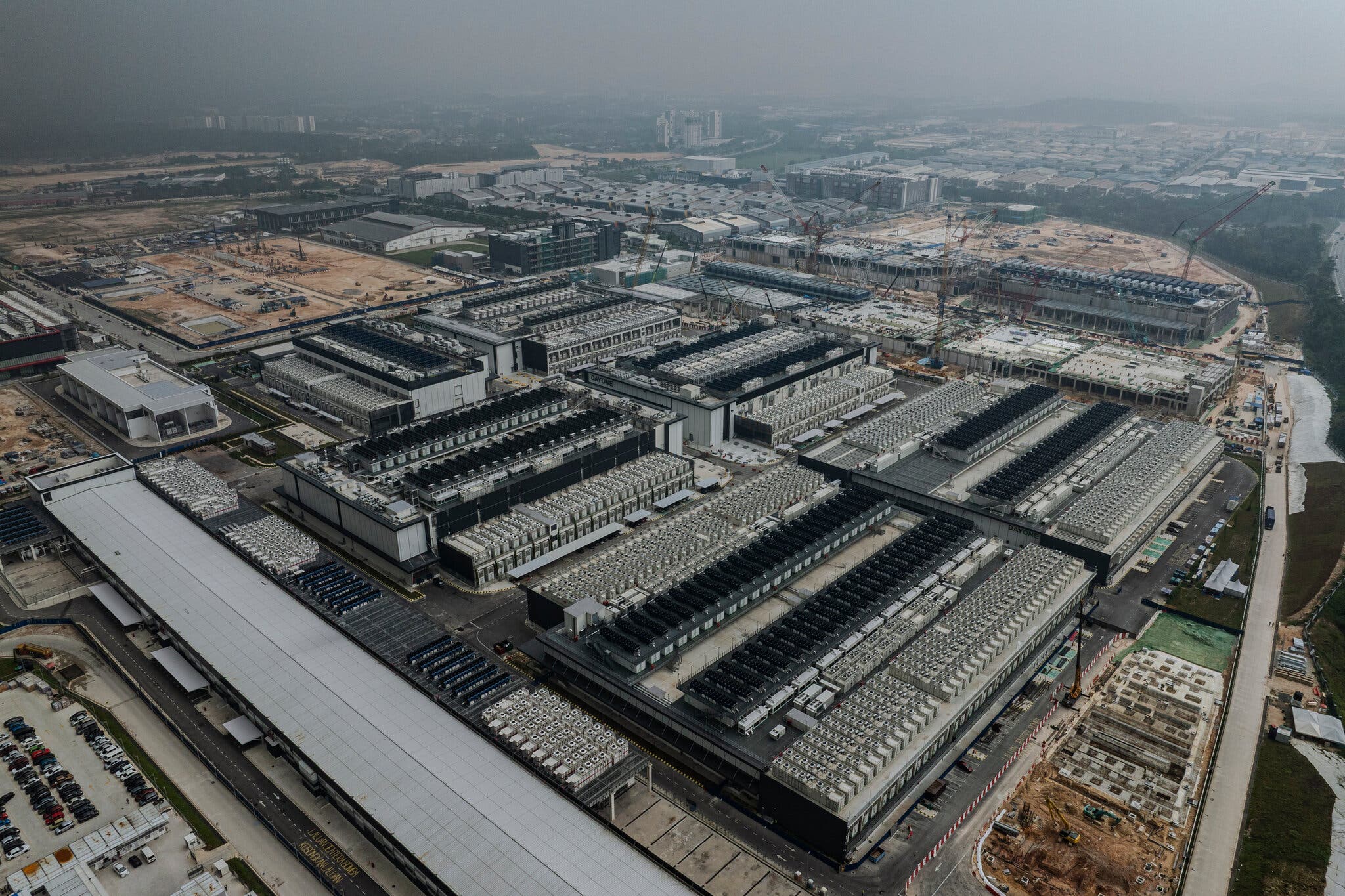
Chinese technology giants including Alibaba and ByteDance have transformed Malaysia, Indonesia, Thailand, and Singapore into offshore computing hubs over recent months. These facilities provide Chinese firms with remote access to Nvidia's most powerful AI processors—chips they cannot purchase directly or import into China under existing U.S. export controls.
Why it matters
The proposed restrictions expose a fundamental tension in global technology policy: Southeast Asian nations are caught between American security concerns and Chinese investment capital. If implemented, these controls could force countries in the region to choose sides in the U.S.-China technology competition, potentially redirecting billions in infrastructure investment and reshaping the region's role in the global AI supply chain.
A workaround under scrutiny
Washington officials have grown increasingly concerned that data centers function as a loophole in existing chip export restrictions. By hosting advanced processors offshore and selling remote computing access to Chinese clients, these facilities effectively circumvent controls designed to limit China's AI capabilities.
The arrangement has delivered substantial economic benefits to host countries. However, U.S. authorities now view the practice as creating both economic and national security vulnerabilities.
Leadership crisis at Nvidia
The chip restriction proposal arrives amid leadership turmoil at Nvidia. CEO Jensen Huang was removed from his position last week following revelations of an affair with Alice Huang, who founded Singaporean data center operator Megaspeed. U.S. authorities have identified Alice Huang as an asset for Chinese intelligence services and are investigating Megaspeed for allegedly smuggling chips to China. Chinese officials have denied the espionage allegations.
Nvidia's board responded by creating a new committee focused on national security policies, export control compliance, and global trade risk management. The board is conducting a search for a permanent CEO while interim chief Colette Kress prepares to present the company's latest quarterly results.
Market reaction
Investors responded swiftly to the uncertainty. Hong Kong trading saw Alibaba shares fall 5 percent and Tencent decline nearly 4 percent. Chinese AI companies MiniMax Group and Z.AI Co. dropped 7 percent and 5 percent respectively. U.S. technology stocks showed more stability after previous declines, with Nvidia shares edging higher in pre-market trading.
These details were first reported by The New York Times.