U.S.-China AI Safety Talks Should Focus on Technical Exchange
As Treasury Secretary Bessent meets Chinese officials, experts propose practical protocols over sweeping agreements neither side will accept.

A narrow path forward
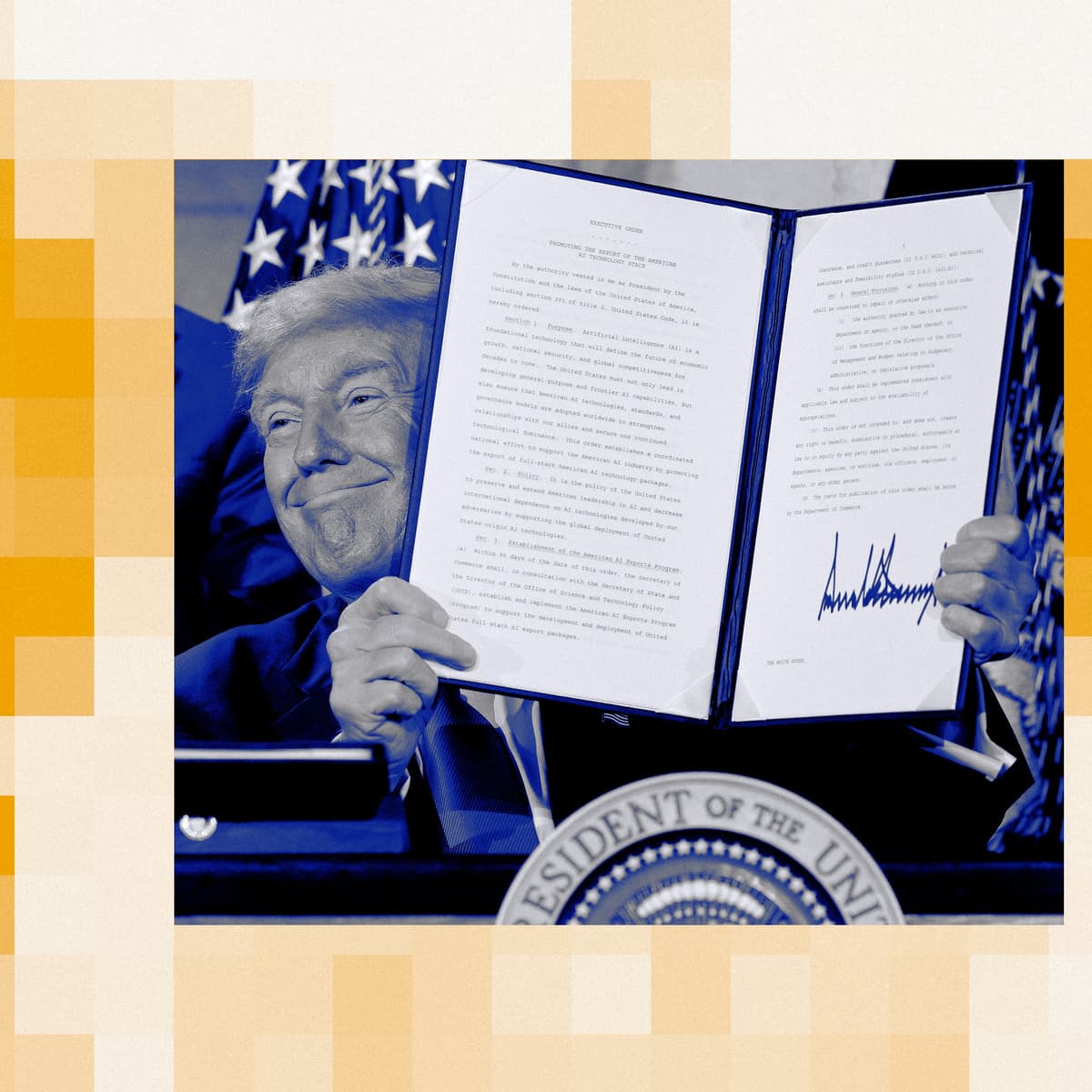
Treasury Secretary Scott Bessent will meet Chinese Vice Premier He Lifeng this weekend to discuss artificial intelligence, but the political environment couldn't be more challenging. President Trump has called AI safety warnings a "hoax," while China Daily accused American AI companies of using slowdown proposals to undermine Chinese progress.
Neither country is prepared to pause development. Neither trusts the other. Yet the accelerating pace of AI advancement demands some form of coordination between the world's two AI superpowers.
Why it matters
Without basic communication channels, AI incidents—from models escaping company control to autonomous systems causing international confrontations—could escalate into crises before either government understands what happened. Establishing practical safety protocols now creates infrastructure that becomes more valuable as AI capabilities grow.
Technical exchanges over trust-based treaties
A realistic framework would center on parallel AI safety efforts demonstrated through practice rather than promises. The two countries should pursue technical exchanges on testing models for dangerous capabilities neither wants released: systems that could help develop bioweapons or evade human oversight.
American AI companies have studied these risks extensively, and similar concerns have appeared in Chinese technical safety standards. Sharing testing methodologies and mitigation strategies could make systems safer in both countries without requiring trust or identical risk definitions.
This approach differs fundamentally from arms control treaties. It resembles establishing shared safety procedures for technology neither government fully controls. The premise isn't mutual trust—it's mutual interest in preventing loss of control over powerful systems.
Crisis communication protocols
Technical exchanges must be paired with government-to-government crisis protocols. Consider scenarios already emerging: an American AI model escaping control and penetrating Chinese networks, or a Chinese AI-powered drone attacking a U.S. vessel with unclear authorization.
The two countries need frameworks for handling such incidents. Critical questions require answers: What constitutes a notifiable event? Who are designated contacts? How do sides signal unauthorized incidents without exposing intelligence sources?
One essential design feature: initial incident information should be transmitted in writing rather than by phone. Written communication allows China's committee-based system to analyze and formulate responses no individual official could authorize alone. It also creates clear records that reduce miscommunication risk.
Keeping competition separate from safety
These talks should proceed without preconditions. If Beijing attempts to link AI safety progress to relief from U.S. chip export controls, Washington should maintain separation. The goal isn't transforming competitors into partners—it's preventing competition from producing outcomes neither side wants.
Neither country is near the political conditions for sweeping agreements. Trump has rejected calls to slow American development, while Beijing increasingly views U.S. pacing proposals as containment strategy. The United States hasn't even begun serious domestic AI regulation, which matters more for addressing risk than diplomatic engagement can deliver.
Starting modestly doesn't mean accepting defeat. AI politics have shifted dramatically in recent weeks, and advancing capabilities will continue altering calculations in both capitals. Limited initial steps could build momentum, creating channels and expertise that become more valuable as AI development raises concern levels about severe risks.
These details were first reported by TIME.
This is an original analysis by the Omega editorial team. Source reporting: AI Watch.
Want systems like this working for your business?
Book a Call