AI Bias Controls Raise New Censorship Concerns in U.S.
A tech journalist's 2022 realization about AI alignment now feels prescient as government influence over model outputs becomes reality.
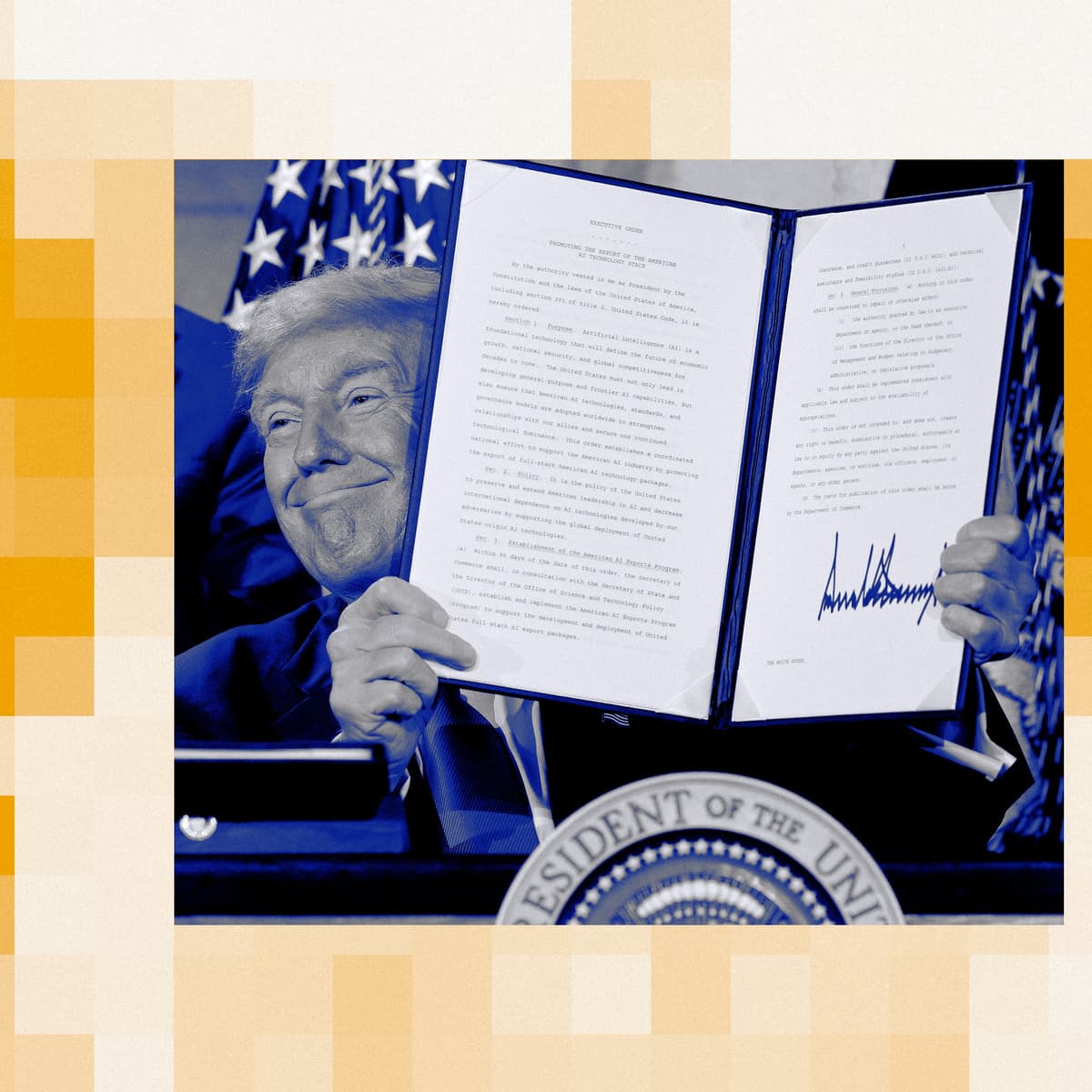
A technology journalist attending a Google AI event in New York City on November 2, 2022, observed something that would prove prescient: the same techniques used to reduce bias in AI models could just as easily be weaponized to enforce specific viewpoints.
While Google executives discussed responsible AI and aligning technology with human values, the reporter recognized an uncomfortable truth about the malleability of large language models. The technical capacity to adjust model outputs cuts both ways—it can minimize harmful biases or impose ideological constraints.
From theoretical risk to practical concern
At the time, the journalist imagined such manipulation as something authoritarian regimes like China might employ. The assumption was straightforward: in the United States, constitutional protections would prevent government interference with AI outputs from private companies.
That assumption now appears less certain. The very flexibility that allows companies to implement safety guardrails and reduce problematic outputs also creates a mechanism for external pressure—whether from governments, regulators, or other powerful actors—to shape what AI systems say and don't say.
Why it matters
The technical architecture of AI alignment creates a vulnerability that transcends political administrations. Once the precedent is established that governments can influence model behavior—whether framed as reducing bias, ensuring safety, or promoting accuracy—the same mechanisms can be redirected toward censorship or propaganda. What begins as content moderation can evolve into content control, regardless of which party holds power.
The double-edged sword of model adjustment
AI companies have invested heavily in techniques to align models with human values, reduce toxic outputs, and minimize factual errors. These interventions happen through training data curation, reinforcement learning from human feedback, and post-deployment filtering.
The challenge is that these same technical levers don't distinguish between reducing genuine harm and suppressing inconvenient truths. A model adjusted to avoid one category of content can be adjusted to avoid any category of content. The infrastructure for responsible AI doubles as infrastructure for controlled AI.
The observation from that 2022 Google event has aged into a more urgent question: not whether AI models can be manipulated to serve political ends, but whether constitutional protections will prove sufficient to prevent it when the pressure comes from domestic rather than foreign governments.
These details were first reported by WIRED.
This is an original analysis by the Omega editorial team. Source reporting: WIRED.
Want systems like this working for your business?
Book a Call