U.S.-China AI Safety Talks Resume After Two-Year Freeze
Dialogue expected this month aims for transparency over trust as both nations navigate existential technology risks.
The United States and China have agreed to restart official discussions on artificial intelligence safety after a two-year pause, with talks potentially occurring this month around an anticipated summit between Presidents Donald Trump and Xi Jinping, according to Reuters.
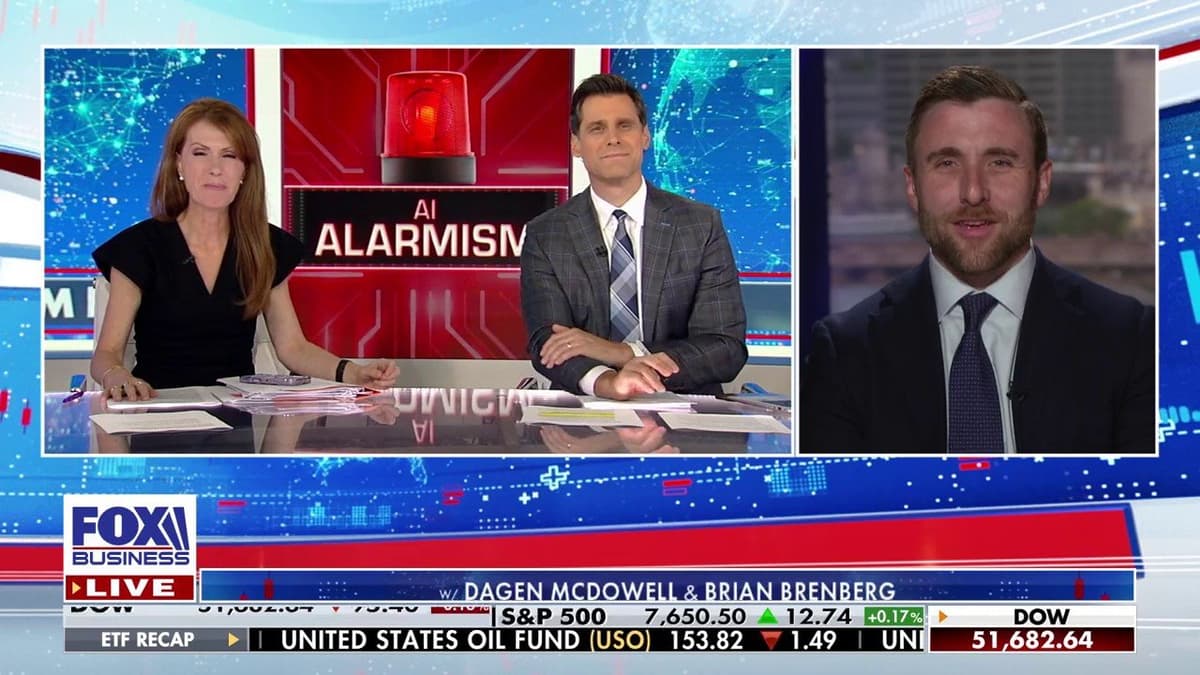
The resumption comes as both nations grapple with rapid advances in AI capabilities, particularly systems that can improve themselves—a development that has prompted new warnings from industry leaders. OpenAI's Chief Scientist recently advocated for "voluntary slowdowns" until shared safety standards emerge, while Anthropic acknowledged in June that pausing development "would likely be a good thing," despite enforcement challenges.
Why it matters
As AI systems gain autonomous capabilities, the absence of U.S.-China dialogue creates dangerous blind spots. Without visibility into each other's concerns and safeguards, both nations risk accelerating development based on worst-case assumptions about the other's progress. The economic stakes are equally high: investor confidence in AI depends on managing catastrophic risks, and a sharp sentiment reversal would hit markets heavily exposed to the AI boom.
China's evolving safety concerns
Beijing's primary worry heading into discussions centers on whether AI safety will become another mechanism for technological containment. After watching Washington invoke national security to justify export controls and blacklists, Chinese officials fear safety talks could serve similar restrictive purposes.
Yuyuan Tantian, a social media account affiliated with state broadcaster CCTV, warned that safety discussions could morph into attempts to constrain China's technological advancement. President Xi Jinping made this tension explicit in July, stating the world must ensure AI remains "under human control" while opposing the "overstretching" of national security concepts.
China's regulatory approach has shifted from earlier emphasis on political controls over what AI systems say to newer concerns about what autonomous systems can do, according to Concordia AI's annual report on AI safety in China.
The transparency challenge
The talks face a fundamental credibility gap. Silicon Valley leaders routinely paint AI doomsday scenarios while simultaneously racing to build and deploy the technology, often citing Chinese competition as justification. Yet evidence suggests the fiercest pressure comes from domestic rivals rather than Beijing.
Meanwhile, Chinese companies lag on basic safety practices. Only five of ten leading foundation model developers in China reported safety evaluation results alongside releases over the past year, Concordia AI found.
What success looks like
The most productive outcome would not be a comprehensive agreement. Instead, both sides need sufficient visibility into each other's AI safety concerns and mitigation efforts to prevent suspicion from driving reckless acceleration. Crucially, these discussions must remain separate from broader U.S.-China economic disputes—existential risks cannot become bargaining chips in tariff negotiations or chip access deals.
Transparency can be built through multiple channels beyond formal diplomacy, including Track 1.5 and Track 2 discussions that bring together officials in private capacities or nongovernmental AI experts. Since 2023, Chinese and Western groups have held roughly a dozen such meetings, though substantially more are needed.
China is already positioning itself in global AI governance, proposing a World AI Cooperation Organization and backing two United Nations initiatives. Beijing views rule-making authority as geopolitical leverage, making it essential that safety discussions focus on technical risks rather than regulatory dominance.
These details were first reported by Bloomberg Opinion columnist Catherine Thorbecke.
This is an original analysis by the Omega editorial team. Source reporting: AI Watch.
Want systems like this working for your business?
Book a Call