Five lawmakers emerge as key voices in Congress AI policy debate
As artificial intelligence safety concerns intensify on Capitol Hill, a handful of members are positioning themselves as central figures in the regulatory conversation.
Congress identifies key AI policy leaders amid safety debate
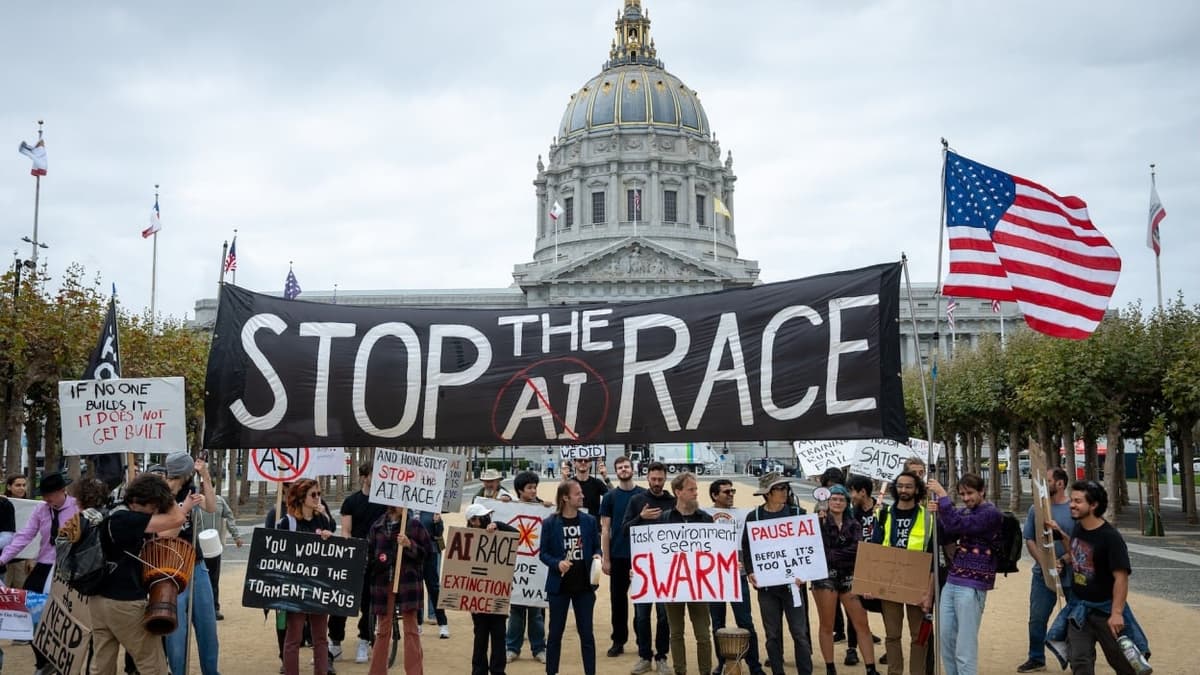
As artificial intelligence safety concerns reached a fever pitch in Congress this week, a small group of lawmakers has emerged as the central voices shaping the legislative response to the technology's rapid development.
According to The Hill's Technology newsletter, dozens of members joined the AI policy debate following warnings from researchers, proposing everything from new caucuses and bills to classified briefings. While the likelihood of passing comprehensive AI safety legislation this year remains low, five lawmakers are expected to drive the conversation going forward.
Why it matters
With AI development accelerating faster than regulatory frameworks can keep pace, identifying which lawmakers have both technical expertise and political influence matters for companies navigating compliance and advocacy strategies. The composition of this leadership group—their technical backgrounds, partisan affiliations, and policy priorities—will shape whether Congress pursues prescriptive rules, industry self-regulation, or sector-specific approaches.
Obernolte brings rare technical credentials
Rep. Jay Obernolte (R-Calif.) stands out among the key players as one of the few members with formal technology training. He holds both a bachelor's degree in engineering and applied science and a master's degree in artificial intelligence.
That technical background, combined with his willingness to work across party lines and engage with industry stakeholders, has made Obernolte a go-to voice on AI policy in Washington, according to the newsletter. His engineering credentials give him credibility that most lawmakers lack when discussing technical implementation details.
Regulatory activity spans multiple fronts
The AI policy debate is unfolding simultaneously across several domains. The Commodity Futures Trading Commission submitted cryptocurrency regulations to the White House for review this week, with CFTC Chair Michael Selig signaling the agency is "ready to ship its rules for the new frontier of finance."
Meanwhile, more than 170 Democratic campaign operatives signed a letter urging party leaders to reject donations from pro-AI super PAC Leading the Future, arguing the funding from AI industry executives conflicts with the party's values as the safety debate intensifies.
California Governor Gavin Newsom also issued an executive order aimed at reining in AI "before it's too late," reflecting growing concern at the state level as well.
Industry self-regulation advances
Anthropic revealed Thursday that its Claude chatbot is now leading more than a quarter of the company's research and development efforts—a significant milestone suggesting AI systems are increasingly capable of building and improving themselves. The development underscores why lawmakers feel urgency around establishing guardrails before the technology advances beyond human oversight.
The Hill's newsletter noted that while this week saw a "frenzy" of AI policy activity in Washington, the path to actual legislation remains unclear, with partisan divisions and technical complexity creating substantial obstacles to consensus.
Details were first reported by The Hill's Technology newsletter.
This is an original analysis by the Omega editorial team. Source reporting: AI Watch.
Want systems like this working for your business?
Book a Call