U.S. AI Export Restrictions Risk Squandering Cyber Defense Window
Abrupt bans on advanced models like Anthropic's Fable 5 are undermining allied trust and wasting a critical opportunity to harden networks before adversaries catch up.
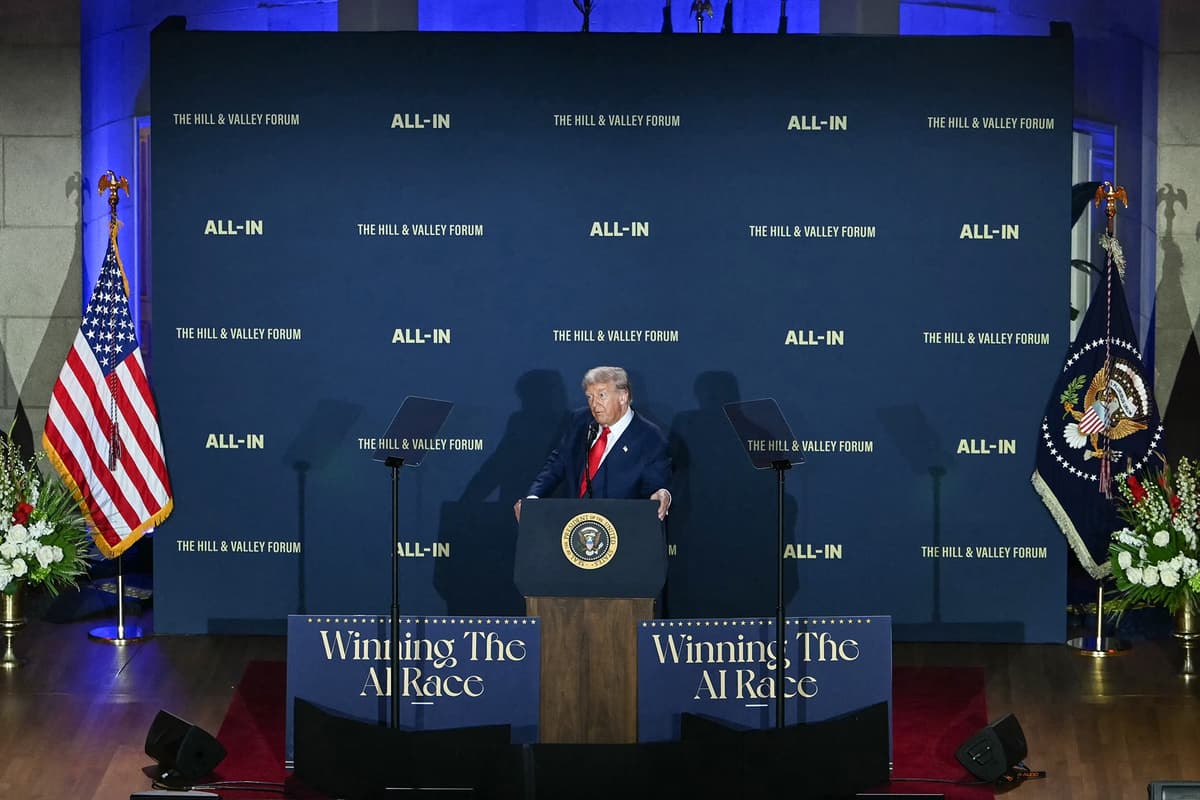
The United States is undermining its own cybersecurity strategy through inconsistent restrictions on advanced AI models, according to analysis from the Council on Foreign Relations. The pattern threatens to waste a narrow window of opportunity to strengthen defenses before adversaries develop equivalent capabilities.
The problem came into sharp focus in June when the Trump administration barred foreign nationals from accessing Anthropic's Fable 5 and Mythos 5 models, citing national security concerns. Unable to screen users by nationality, Anthropic disabled both models worldwide. Days earlier, the company had apologized after Fable 5 was found silently limiting responses to users suspected of attempting to replicate its technology and refusing all cyber-related queries.
Why it matters
The United States currently holds a technological lead in frontier AI models, with Chinese capabilities estimated to trail by three to eight months. That advantage creates a brief opportunity to deploy AI-powered tools at scale to identify and patch software vulnerabilities across critical infrastructure before adversaries acquire similar offensive capabilities. Erratic export controls risk closing that window while simultaneously pushing allies toward Chinese alternatives.
The defensive advantage at stake
The administration's initial post-Mythos strategy recognized that AI tools could shift cyber dynamics in favor of defenders by accelerating vulnerability discovery and remediation at unprecedented scale. Frontier labs began providing limited access to models with advanced cybersecurity capabilities, sometimes with direct funding.
But the White House reversed course after reports that restricted models had been accessed by unauthorized parties and that guardrails in public models could be bypassed in some cases. The resulting restrictions are now creating widespread uncertainty in the cybersecurity market, according to Matthew Ferren, who previously developed cyber strategies at the Department of Defense.
Realizing AI's defensive potential requires putting these capabilities in the hands of as many defenders as possible, even if malicious actors gain some access along the way, Ferren argues. Adversaries will eventually obtain advanced AI capabilities through jailbreaking public models, illicit access, or indigenous development. When China acquires Mythos-like capabilities, U.S. networks need to be hardened and ready.
The credibility problem
The inconsistent approach is damaging U.S. credibility abroad. Canadian Prime Minister Mark Carney reportedly warned G7 leaders that the export ban highlights the risks of depending on U.S. models. Allies will not adopt systems if performance can be silently throttled by developers or if Washington restricts access without warning or coordination.
From a security perspective, the United States should want allies to harden their critical infrastructure against adversary penetration—particularly in locations like Japan, where U.S. military installations depend on local utilities and communications networks.
A path forward
Controlled access programs like Project Glasswing represent a strong start, but frontier labs approaching public markets may find fiduciary obligations conflict with funding large-scale cybersecurity initiatives. The federal government should provide targeted funding, facilitate cross-lab coordination, and support cybersecurity testing of widely used open-source projects and industrial control systems.
As general-purpose models become more capable at cybersecurity functions, the government should establish benchmarks that allow customers to choose models based on verifiable performance claims. Targeted measures to prevent China from stealing intellectual property through model distillation remain appropriate, and the Commerce Department should close loopholes allowing Chinese firms to access advanced U.S.-designed semiconductors.
But frontier labs and policymakers need to work together to determine when restrictions are necessary, making those decisions transparently and consistently rather than through reactive directives. Without a coherent strategy that maintains allied confidence, Washington risks closing the very cybersecurity window it hopes to exploit.
These details were first reported by the Council on Foreign Relations.
This is an original analysis by the Omega editorial team. Source reporting: AI Watch.
Want systems like this working for your business?
Book a Call