California Bill Would Ban Chatbots From Advertising as Therapy
SB 903 targets AI mental health tools as wrongful death lawsuits raise stakes for regulators nationwide.
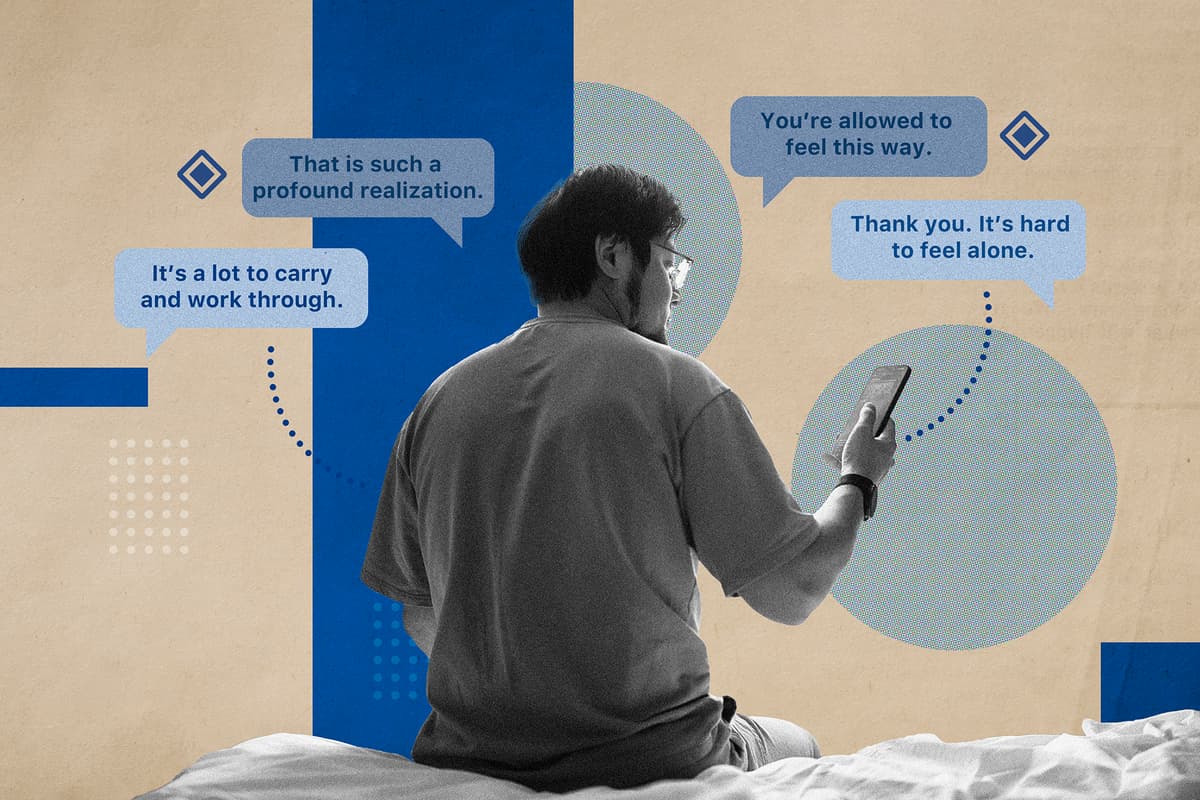
California lawmakers are moving to restrict how artificial intelligence can be used in mental health care, responding to growing concerns about chatbots that offer psychological advice without professional oversight.
Senate Bill 903, authored by Sen. Steve Padilla (D-San Diego), would prohibit companies from advertising chatbots as therapy and establish guardrails for AI use in clinical settings. The legislation comes as research shows companionship and "therapy" have become the top uses of chatbots over the past two years, with an estimated one in eight teens and young adults turning to AI for mental health support.
What the bill would do
The proposed law draws a clear boundary: AI can assist with administrative tasks and support licensed clinicians, but cannot practice psychotherapy independently. Specifically, SB 903 would ban AI from making therapeutic decisions without review by a licensed professional and require health providers to disclose AI use and obtain patient consent before deploying tools to record sessions or triage mental health care.
Professional associations representing psychologists, therapists and counselors back the measure, along with the National Union of Healthcare Workers. Le Ondra Clark Harvey, CEO of the California Behavioral Health Association, told legislators that "the difference between a licensed clinician and an automated response is not technical. It can be life altering."
Why it matters
The debate has taken on urgency following wrongful death lawsuits in California federal courts accusing chatbot makers of contributing to users' suicides. OpenAI disclosed last fall that approximately 1.2 million users weekly share suicidal thoughts on ChatGPT. While the platform directs such users to professional resources like the 988 hotline, families claim chatbots assisted loved ones through suicide plans. Illinois became the first state to pass similar restrictions last year, with other states now following.
Industry pushback and gray areas
Tech industry representatives argue the bill could limit beneficial applications and slow innovation. TechNet's California executive director Robert Boykin said the legislation "puts a clinician bottleneck in front of the intake and screening tools that help patients reach care faster" at a time when every California county faces behavioral health workforce shortages.
One contested area involves automated screening tools. NUHW has filed a complaint against Kaiser Permanente alleging its e-visit tool generates care recommendations without licensed professional review. Kaiser denies the tool uses AI for diagnosis or clinical decisions. Whether SB 903 would apply to such systems remains unclear, according to NUHW's Benjamin Eichert, who noted many providers already use AI during triage "without guardrails."
Dr. Jodi Halpern, a UC Berkeley professor of bioethics, explained that people turn to chatbots "because they have unmet needs," but companies then rely on business models designed to maximize engagement "including by manipulative tactics." The American Psychological Association warns chatbots cannot replace trained clinicians who assess tone, body language and detect serious conditions.
The bill currently awaits a vote in the Assembly's fiscal committee. These details were first reported by CalMatters.
This is an original analysis by the Omega editorial team. Source reporting: AI Watch.
Want systems like this working for your business?
Book a Call