UN Women: AI Systems Embed Gender Bias at Scale
New research shows 44% of AI systems demonstrate gender bias as technology reshapes work without women at the design table.
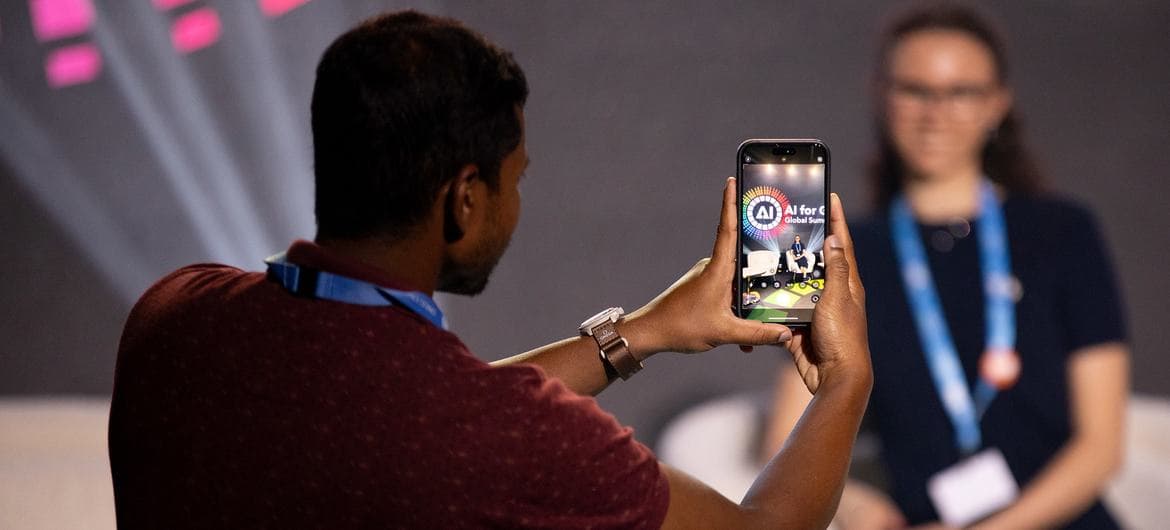
Artificial intelligence systems are systematically reproducing gender stereotypes at scale, according to UN Women, which issued a warning ahead of major AI governance summits in Geneva this July. Research examining 133 AI systems found that 44 percent demonstrated gender bias, while more than a quarter showed both gender and racial bias.
The problem extends beyond isolated incidents. When researchers prompted large language models to complete sentences beginning with a person's gender, approximately one in five responses returned sexist or misogynistic content. Some outputs described women as property or objects, according to UN Women's analysis.
Why it matters
As generative AI becomes embedded in everyday business operations—88 percent of UK advertising and media agencies already use the technology—biased systems risk amplifying workplace inequality at unprecedented scale. With women holding only 30 percent of AI workforce positions globally and nearly twice as likely to work in jobs facing high automation risk, the economic consequences of biased AI development could deepen existing disparities across labor markets.
Training data reflects decades of inequality
Jayathma Wickramanayake, UN Women's Lead on Digital Technologies, explained that AI models "pull bias from decades of text written by people, about people, in a world where women were filed under home and family, and men were filed under business and career."
Large language models consistently associate women with domestic roles and childcare while linking men to business leadership and career advancement. Wickramanayake emphasized this pattern represents "a real policy gap that was left wide open" rather than a technical glitch.
Of 138 countries assessed worldwide, only 24 reference gender in their national AI strategies. Just 18 include substantive gender-responsive measures.
AI-assisted violence targets women
Beyond stereotypes, AI tools are enabling new forms of harassment. Nearly one in four surveyed women human rights defenders, activists, and journalists reported experiencing AI-assisted online violence, according to UN Women data. Twelve percent said personal images were shared without consent, while six percent reported being targeted by deepfakes or manipulated media.
Business case for inclusive AI
Addressing bias carries commercial benefits beyond ethical imperatives. Research by the Unstereotype Alliance, a UN Women initiative, found that advertising free from gender stereotypes delivers stronger business results. Brands using inclusive advertising recorded higher sales growth, greater customer loyalty, and stronger pricing power than competitors.
The Alliance launched a playbook in June 2026 providing marketers with tools to identify bias in generative AI outputs before deployment.
Path forward requires representation
UN Women stressed that when developed responsibly, AI can identify stereotypes, expand representation, and improve accessibility. Realizing these benefits depends on who participates in building the systems and whose experiences inform their design.
The organization is calling for gender equality to be integrated throughout the AI lifecycle—from development through deployment and governance—as global leaders gather for the UN Global Dialogue on Artificial Intelligence Governance and the AI for Good Global Summit.
These details were first reported by UN News.
This is an original analysis by the Omega editorial team. Source reporting: AI Watch.
Want systems like this working for your business?
Book a Call