Trump AI Framework Sidesteps Open Models, Leaves China Gap
The voluntary cooperation approach doesn't address security risks from Chinese labs like Moonshot and Alibaba that release advanced open-source models.
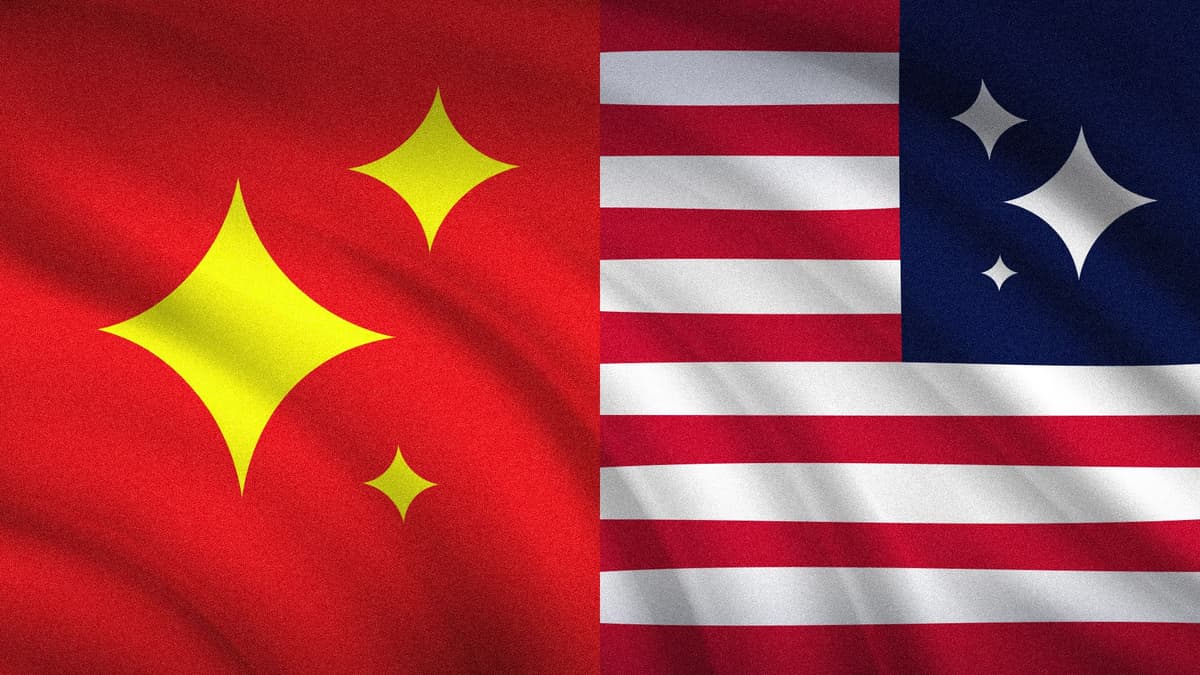
The Trump administration's newly detailed AI framework operates on voluntary cooperation with U.S. developers but leaves a significant gap in addressing security concerns from Chinese artificial intelligence labs, according to policy experts and sources familiar with the discussions.
Why it matters
The framework's hands-off treatment of open-source models creates regulatory asymmetry that could advantage Chinese competitors. Advanced open models from companies like Moonshot (Kimi K3) and Alibaba (Qwen) fall outside the framework's scope entirely, yet pose the same security questions as their U.S. counterparts.
How the Framework Works
The voluntary framework allows companies to submit closed AI models to the government for security review under mutually agreed terms. The arrangement depends on companies wanting to maintain favorable standing with U.S. authorities — an incentive that doesn't apply to adversarial nations.
"This was never going to be the right tool for Kimi K3 or Qwen," said Joseph Hoefer, AI principal at Monument Advocacy, referring to advanced open models from Chinese developers.
The framework explicitly states that nothing in it should be interpreted as restricting open models after release, according to Axios, which first reported details of the unpublished framework. "The covered-model framework is a pre-release cooperation mechanism," Hoefer explained. "Restricting Chinese model use is an access and procurement fight that's still being negotiated separately."
Alternative Tools Under Consideration
The administration has other regulatory mechanisms at its disposal. Last year, officials considered an executive order that would require U.S. companies hosting Chinese AI models to guarantee their security and accept liability for breaches.
The Commerce Department explored using the Entity List to cut off U.S. access without licenses, while the National Security Agency and White House Office of the National Cyber Director weighed issuing advisories discouraging Chinese model use. Supply chain-based restrictions were also discussed.
Recent weeks have seen top Trump administration officials increasingly vocal about Chinese intellectual property theft through distillation — the technique of training smaller models using outputs from larger ones.
The Competitive Concern
Policy experts warn the framework may create unintended advantages for Chinese competitors. "There's a huge overlap between the best open-source models and the best Chinese models," Kyle Chan of Brookings told Axios. "The administration seems more afraid of a closed AI oligopoly than of competition from Chinese AI models."
Former Biden White House AI adviser Suresh Venkatasubramanian said the framework's treatment of open models could give Chinese open-source companies "a boost, which is probably not what they want."
What's Next
The administration has drawn clear lines between how it treats U.S. open and closed models, but its approach to Chinese open models remains unresolved. The gap between the voluntary framework and enforceable restrictions on adversarial AI systems represents one of the most significant outstanding questions in U.S. AI policy.
These details were first reported by Axios.
This is an original analysis by the Omega editorial team. Source reporting: AI Watch.
Want systems like this working for your business?
Book a Call