UN and Red Cross Warn Autonomous Weapons Race Nears 'Moral Red Line'
International organizations intensify push for binding regulations as AI-powered weapons development accelerates ahead of November treaty talks.
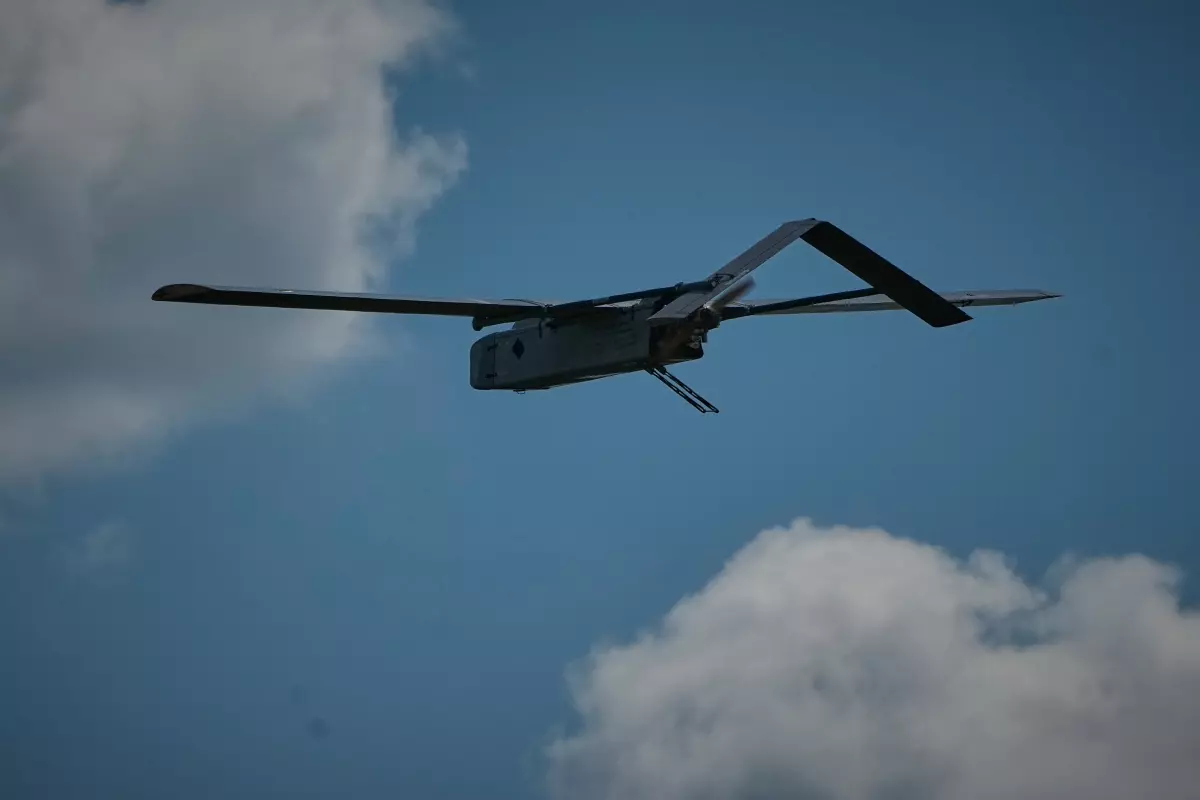
The United Nations and International Committee of the Red Cross issued an urgent joint appeal Tuesday for countries to establish binding restrictions on autonomous weapons systems, warning that rapid technological advances have brought the world to the brink of allowing machines to independently target humans.
"We are now dangerously close to crossing a moral red line: The autonomous targeting of humans by machines," said UN Geneva spokesperson Alessandra Vellucci, delivering a statement from UN Secretary-General António Guterres and ICRC President Mirjana Spoljaric.
The appeal, which builds on an initial call made three years ago, reflects growing concern that weapons development is outpacing international regulatory frameworks. While the organizations have not confirmed battlefield deployment of fully autonomous lethal systems, they emphasized the technology is no longer theoretical.
Why it matters
The accelerating development of AI-powered weapons creates a regulatory vacuum at a critical moment. As conflicts from Ukraine to Sudan demonstrate the expanding role of autonomous systems in warfare, the absence of international legal constraints raises fundamental questions about human control over life-and-death decisions. The November convention represents a narrow window for establishing rules before deployment becomes widespread.
Development Outpacing Regulation
According to the joint statement, weapons technology is advancing at "record speed," creating a widening gap between what militaries can build and what international law permits. The organizations noted that "a race toward greater autonomy in weapons systems is already well underway."
The appeal was first reported by the Associated Press. The timing precedes a November meeting in Geneva where negotiators will discuss strengthening the Convention on Conventional Weapons. The UN and ICRC identified this conference as "the clearest path available" toward establishing binding legal frameworks.
Current Battlefield Reality
While fully autonomous lethal systems remain unconfirmed in combat, related technologies are already deployed. In Ukraine, ground robotic vehicles currently transport supplies and conduct evacuations, helping preserve manpower in a drone-saturated battlefield. Ukrainian forces are now working to scale up armed robotic systems to support outnumbered infantry, though these efforts have seen limited success so far.
The technologies under discussion are also relevant to conflicts in the Middle East, Sudan, and the ongoing Russia-Ukraine war, where drones and autonomous systems play increasingly significant roles.
Technical Community Sounds Alarm
The organizations emphasized that concerns extend beyond humanitarian groups. "Scientists and engineers developing these systems have themselves raised the alarm," the statement noted. "When the architects of this technology are calling for limits, states cannot afford to remain passive."
The joint appeal stops short of demanding a complete ban on autonomous weapons but calls for meaningful restrictions on systems that could select and engage targets without human intervention.
"This year must mark a turning point," the statement concluded, underscoring the urgency as the November convention approaches.
These details were first reported by John Keaten of the Associated Press.
This is an original analysis by the Omega editorial team. Source reporting: AI Watch.
Want systems like this working for your business?
Book a Call
