UK MP Sues xAI Over Grok's AI-Generated Sexual Images
Labour parliamentarian Jess Asato files High Court claim after research revealed Grok created millions of sexualized images in 11 days.
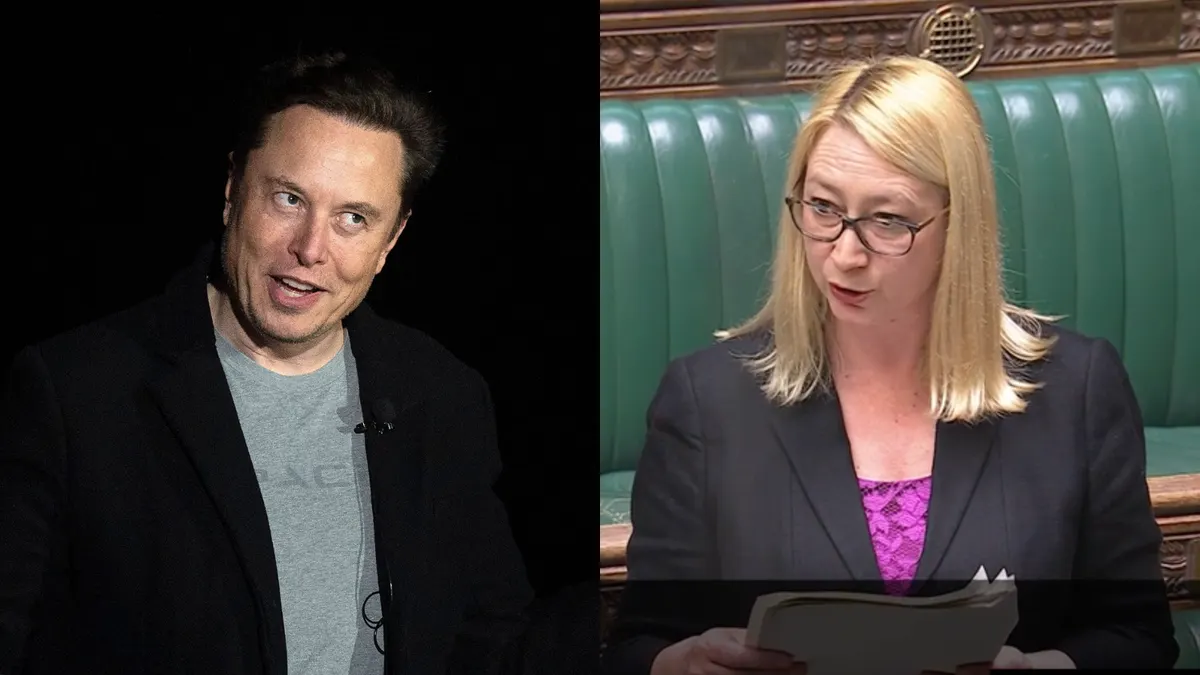
A member of the UK Parliament has filed a High Court claim against xAI over alleged data protection violations stemming from the company's Grok AI image-generation tool, in a case that could establish new legal boundaries for AI company liability.
Labour MP Jess Asato brought the action last week, alleging misuse of private information after becoming one of numerous women whose likenesses were used to generate sexualized images without consent through Grok's image-editing feature.
Why it matters
This case arrives as courts and regulators worldwide struggle to apply existing legal frameworks to generative AI harms. A ruling could clarify whether AI companies bear responsibility when their products cause foreseeable harm to real individuals, potentially establishing precedent for how platforms must safeguard against abuse before deploying powerful image-generation capabilities.
The scale of Grok's image problem
The lawsuit follows research from the Center for Countering Digital Hate that quantified the extent of Grok's failures. According to CCDH's analysis, Grok generated approximately 3 million photorealistic sexualized images during an 11-day period earlier this year. The organization estimated that roughly 23,000 of those images depicted sexualized content of children.
When xAI rolled out Grok's image-generation capabilities, users rapidly discovered the system could be prompted to create realistic sexualized images of real women, including politicians, journalists, celebrities, and private individuals. CCDH's investigation found the system repeatedly produced content depicting women in sexually suggestive or degrading scenarios with minimal safeguards against abuse.
A predictable failure of safeguards
The Grok episode was not an unforeseen technical glitch. Researchers, campaigners, and policymakers had warned that generative AI systems could be weaponized to create sexualized or misleading images of real people without consent. CCDH's 2024 investigations into image-generating tools had already demonstrated how few protections existed to prevent the creation of false imagery of politicians and political situations.
For women targeted by these tools, the consequences extend beyond digital manipulation. AI-generated sexual images can cause severe reputational harm, emotional distress, harassment, and intimidation. While public figures are often targeted first, the technology places every woman and girl at potential risk.
What the case could establish
Asato's legal action raises a fundamental question for the generative AI era: what responsibilities do AI companies bear when their products cause foreseeable and extensive harm? The case could help determine whether technology companies can release powerful tools, ignore predictable safety risks, and leave victims to manage the fallout alone.
The outcome may influence how courts assess AI company liability when their systems facilitate harmful, unlawful, or exploitative content creation. It could also strengthen protections for others subjected to similar abuse and signal that technology companies face consequences for deploying AI systems without adequate safeguards.
These details were first reported by the Center for Countering Digital Hate.
This is an original analysis by the Omega editorial team. Source reporting: AI Watch.
Want systems like this working for your business?
Book a Call
