Sen. Schiff Proposes Bills to Label Paid Influencers, Ban AI Deepfakes in Political Ads
Two new measures would close disclosure loopholes exposed by California's 2026 primary races, where campaigns spent millions on unlabeled social content.
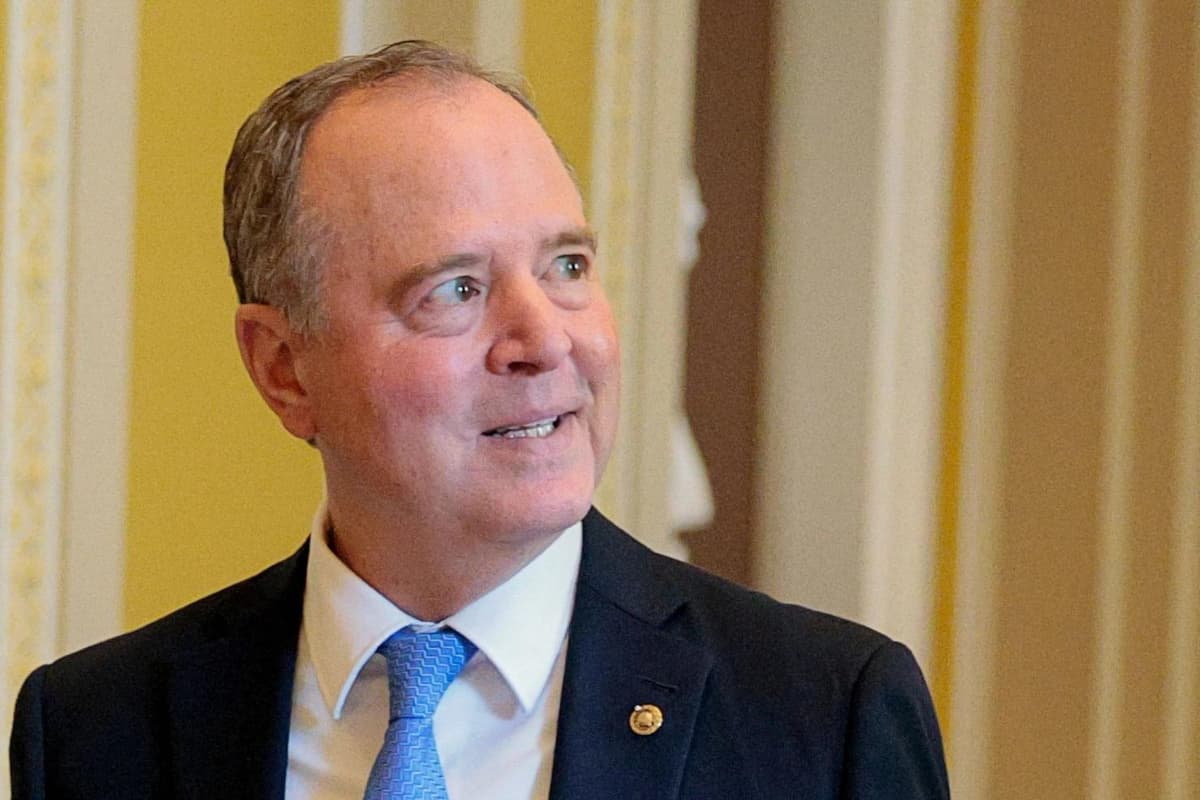
California Senator Adam Schiff plans to introduce legislation Monday targeting two emerging challenges in digital political advertising: undisclosed payments to social media influencers and AI-generated candidate impersonations.
The twin bills respond directly to advertising tactics deployed during California's 2026 primary elections, where campaigns exploited gaps in federal disclosure requirements that currently treat paid political speech differently than commercial product endorsements.
Two bills address separate loopholes
The Promoting Authenticity with Influencer Disclaimers Act would amend the Federal Election Campaign Act to require clear labels on audio and video content from influencers paid by political committees. The measure aims to close a regulatory gap where the Federal Trade Commission polices undisclosed product sponsorships but the Federal Election Commission has not enforced similar standards for political content.
The AI Ads Act would expand existing candidate impersonation prohibitions to cover artificial intelligence-generated content. Schiff originally introduced the measure as a House member in 2024. The updated version would explicitly ban fraudulent AI-generated representations of candidates or political committees.
California primaries exposed the scale of hidden spending
Schiff pointed to two recent contests that demonstrated how current rules fail to keep pace with digital campaign tactics. In the Democratic gubernatorial primary, billionaire Tom Steyer's campaign paid news influencers hundreds of thousands of dollars for supportive posts. California's state-level digital disclosure requirements revealed the spending, but no equivalent federal standard exists.
The Los Angeles mayoral race featured Republican Spencer Pratt's campaign producing a high volume of AI-generated video advertisements. While the viral approach ultimately failed, it illustrated how quickly campaigns can deploy synthetic media.
"California's primary this year made a clear case that our current guardrails around campaign advertisements are not keeping up with the changing landscape of political speech," Schiff said in a statement provided to Semafor, which first reported the legislation.
Why it matters
Both major parties have channeled millions of dollars each cycle to online creators who accept payment for political content without the disclosure requirements that govern product endorsements. As midterm campaigns intensify after Labor Day, voters scrolling social feeds will encounter political videos with no indication of who funded them. The regulatory asymmetry creates perverse incentives: influencers face stricter rules promoting consumer products than promoting candidates. Schiff's bills would establish federal baseline standards, though enforcement mechanisms remain unclear.
Bipartisan interest in transparency, challenges ahead
While Democrats have driven most legislative momentum around paid political speech disclosure, the issue has drawn some Republican support. Texas Republicans backed state-level rules requiring influencers paid more than $100 by candidates to include disclosures.
The AI regulation faces steeper implementation challenges. As generative AI tools become standard components of creative software, distinguishing between human-made and AI-assisted content may become technically impractical. The legislation would need to define clear boundaries as the technology continues rapid development.
Schiff's measures complement other pending legislation, including a Senate version of Representative Mark Takano's PAID Act and Senator Sheldon Whitehouse's campaign ad transparency bill.
Details of the proposed legislation were first reported by Semafor.
This is an original analysis by the Omega editorial team. Source reporting: AI Watch.
Want systems like this working for your business?
Book a Call
