UAW Targets AI and Robotics as Next Labor Battleground
Union president warns automation threatens manufacturing jobs as automakers deploy thousands of robots across North American plants.
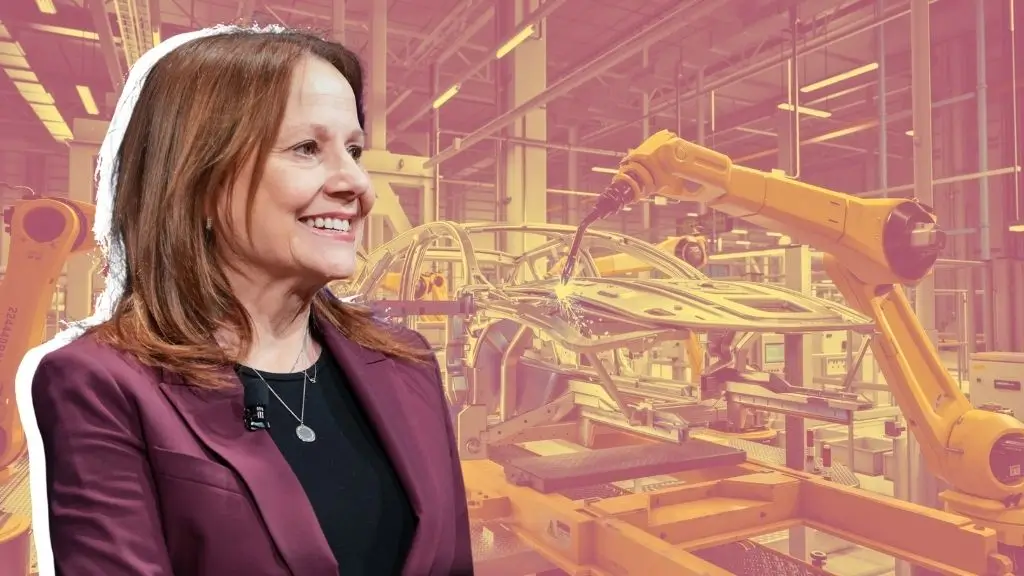
Automation becomes flashpoint in auto labor relations
The United Auto Workers union is positioning artificial intelligence and robotics as central issues for future contract negotiations, setting up a potential clash with manufacturers who view automation as essential to global competitiveness.
At the UAW Constitutional Convention in Detroit this week, union President Shawn Fain warned that workers are not sharing in the productivity gains generated by new manufacturing technologies. He framed AI and robotics as direct threats to employment levels in an industry already facing significant transformation.
Why it matters
This dispute signals a fundamental tension in American manufacturing: automakers need advanced automation to match the efficiency of expanding Chinese competitors, but rapid deployment could hollow out the union workforce that just won historic wage gains in 2023 negotiations. How productivity benefits are distributed will shape both the industry's cost structure and the viability of domestic manufacturing jobs.
Automakers accelerate robot deployment
Manufacturers are moving aggressively to integrate robotics and AI-driven systems across their facilities. General Motors has installed approximately 50 collaborative robots—"cobots" designed to work alongside humans—at its Factory ZERO facility in Detroit. The company emphasizes safety, flexibility, and efficiency improvements from the technology.
Hyundai operates more than 1,000 robots and automated guided vehicles at its Georgia EV plant. Stellantis has deployed cobots across multiple North American sites, while Ford is planning extensive automation as part of a $2 billion investment in its Louisville Assembly Plant.
Industry analysts note that electric vehicle facilities offer manufacturers the easiest path to integrate new automation, since these plants lack the legacy constraints of older assembly operations.
Timing fuels union concerns
The UAW has criticized the timing of some automation rollouts. General Motors laid off more than 1,000 workers at its EV plant due to declining demand for battery-electric vehicles—even as it expanded cobot deployment at the same facility. Union leaders view this as evidence that automation directly displaces workers rather than complementing them.
Manufacturers counter that robotics and automation deliver measurable improvements in safety, ergonomics, and product quality. They argue these technologies are necessary to maintain competitiveness as Chinese automakers enhance their own production capabilities and expand globally.
The core question
While cobots are marketed as collaborative tools that assist rather than replace workers, experts warn the industry trend points toward higher automation levels overall. The fundamental debate now centers on how automakers will share productivity gains and what role human workers will occupy as manufacturing technology continues advancing.
The UAW's focus on automation suggests these issues could feature prominently in the next round of contract negotiations, potentially as early as 2028 when current agreements expire.
These details were first reported by CBT News.
This is an original analysis by the Omega editorial team. Source reporting: Automation Watch.
Want systems like this working for your business?
Book a Call
