TSMC Lifts 2026 Capex to $64B Despite Stock Decline
The chipmaker's record quarter and bullish AI outlook couldn't prevent a 4% premarket drop as investors took profits.
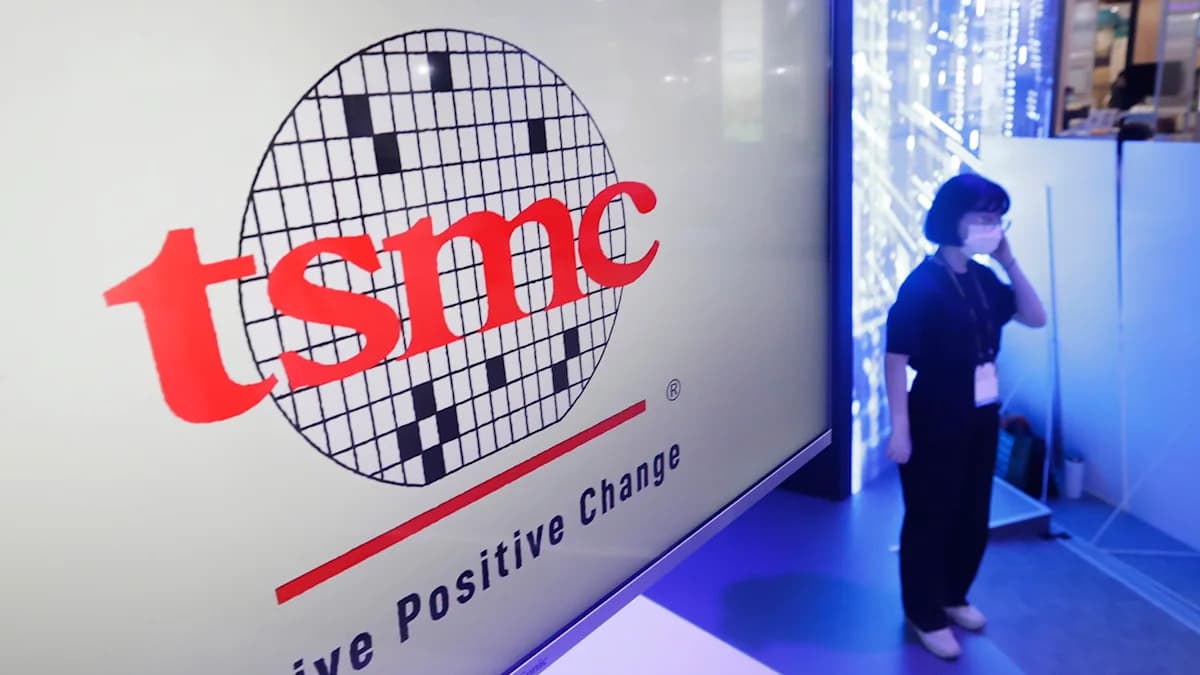
Taiwan Semiconductor Manufacturing reported record second-quarter revenue of $40.2 billion and significantly increased its spending and growth forecasts, yet its U.S.-listed shares dropped 4% in premarket trading Thursday as investors locked in gains from a nearly 40% year-to-date rally.
The world's largest contract chipmaker now projects capital expenditures between $60 billion and $64 billion for 2026, at least $4 billion above its prior guidance, according to details first reported by Yahoo Finance. The company also elevated its full-year revenue growth forecast to slightly above 40%, well beyond the 30%-plus increase it had previously anticipated.
Record results driven by AI infrastructure
TSMC's upgraded outlook reflects surging orders for advanced processors used in artificial intelligence applications and data center infrastructure. As the primary chip supplier for Nvidia, TSMC sits at a critical chokepoint in the AI supply chain, manufacturing the cutting-edge semiconductors that power large language models and generative AI systems.
During Thursday's earnings call, TSMC chair C.C. Wei expressed strong confidence in sustained AI demand. "Our conviction in the multi-year AI megatrend remains very high supported," Wei stated. The company announced an additional $100 billion investment in its Arizona manufacturing facilities as part of its expanded capital program.
Why it matters
TSMC's increased spending plans offer concrete evidence that semiconductor manufacturers see AI infrastructure buildout as a durable, multi-year trend rather than a speculative bubble. The company's willingness to commit tens of billions in additional capital validates the investment thesis driving tech valuations, even as investors debate whether AI spending will ultimately generate proportional returns. For business leaders planning technology infrastructure, TSMC's capacity expansion signals that advanced chip supply will grow to meet enterprise AI demand, though potentially at higher prices.
Caution on pricing and consumer markets
Despite the optimistic AI outlook, Wei warned of headwinds in other segments. "Looking ahead, we observe consumer and price sensitive end market segment are being challenged due to the impact of rising component prices and macroeconomic uncertainties," he said during the call. The company indicated it expects rising prices in the third quarter even as demand remains robust.
The premarket decline came as investors scrutinize whether massive AI-related capital expenditures across the technology sector will translate into profitable returns. TSMC's results follow a similar pattern from Dutch chipmaker ASML, which also raised its outlook as semiconductor equipment manufacturers benefit from the industry's push to build advanced fabrication capacity.
Yahoo Finance Senior Business Reporter Ines Ferre first reported these earnings details.
This is an original analysis by the Omega editorial team. Source reporting: AI Watch.
Want systems like this working for your business?
Book a Call