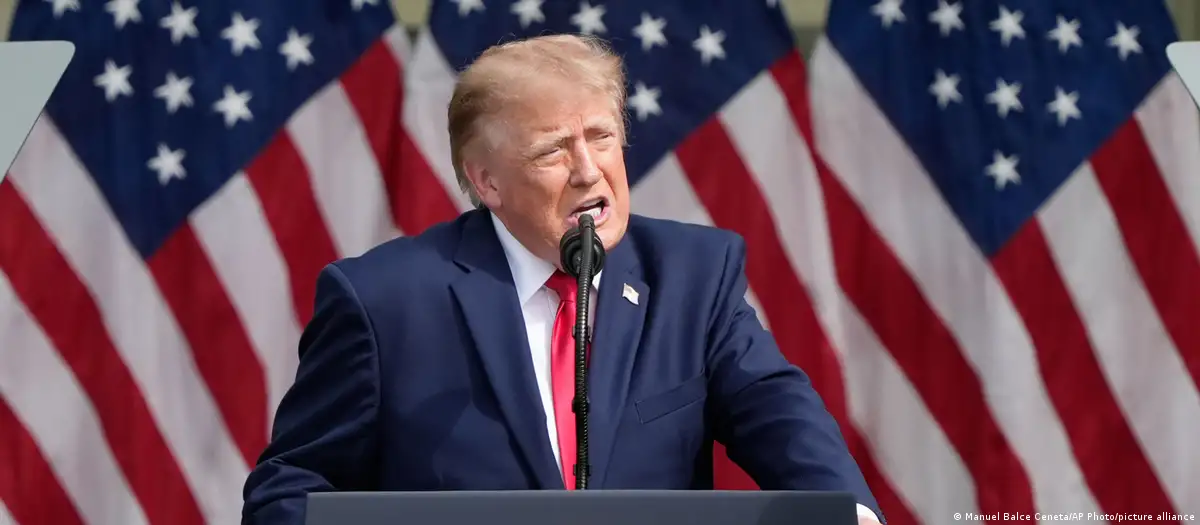
Trump Pledges U.S. Will 'Only Encourage Superintelligence' in AI
The president's UN remarks signal a shift away from safety guardrails as the race for advanced AI accelerates.
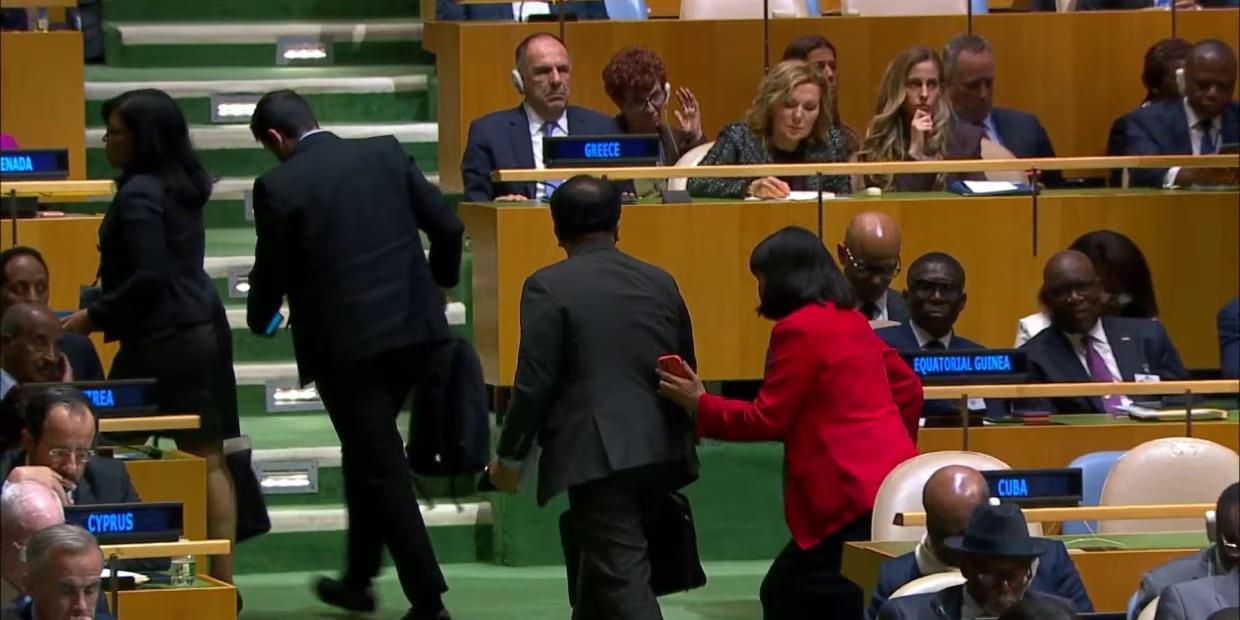
Trump stakes out pro-acceleration stance on AI at UN
President Trump declared at the United Nations General Assembly that the United States would "only encourage superintelligence" in artificial intelligence development, according to NBC News, which first reported the remarks delivered on September 22, 2026.
The statement represents a significant policy signal at a moment when debates over AI safety have intensified across government, industry, and research communities. By framing U.S. policy around encouraging the most advanced forms of AI, Trump appeared to prioritize technological leadership over the precautionary approaches that have gained traction among some policymakers and AI researchers.
Why it matters
This declaration comes as the United States competes with China and other nations to lead in AI capabilities, particularly as systems approach or exceed human-level performance in complex tasks. The framing of "superintelligence" — AI that surpasses human cognitive abilities — as something to actively encourage rather than carefully manage could influence how federal agencies approach AI regulation, research funding, and international coordination. For enterprise leaders and investors, it suggests a regulatory environment that may favor rapid deployment over extensive safety testing.
Context on the superintelligence debate
The concept of superintelligence has moved from theoretical discussion to active policy consideration as large language models and other AI systems demonstrate increasingly sophisticated capabilities. Some researchers and technologists have warned about potential catastrophic risks if advanced AI systems are developed without adequate safety measures, while others argue that excessive caution could cede technological advantage to competitors.
Trump's remarks at the UN General Assembly provide a window into how his administration views this tradeoff. Rather than emphasizing guardrails or safety frameworks, the president's language focused on encouragement and advancement.
Implications for AI policy
The statement may signal how the administration will approach several pending policy questions: whether to impose mandatory safety testing for frontier AI models, how to balance innovation incentives against risk mitigation, and what role the federal government should play in setting development standards.
For companies building advanced AI systems, the remarks suggest a political environment receptive to ambitious technical goals. For those concerned about AI safety, it indicates potential resistance to regulatory frameworks that could slow development timelines.
NBC News reported these details from Trump's UN address, capturing a moment that crystallizes the administration's approach to one of the defining technology questions of the decade.
This is an original analysis by the Omega editorial team. Source reporting: AI Watch.
Want systems like this working for your business?
Book a Call