Trump Plans AI Tsar Appointment and New 'AI Force' Initiative
The president announced the roles on social media but offered no implementation details amid growing congressional concern over AI risks.
Trump Announces AI Leadership Roles Without Details
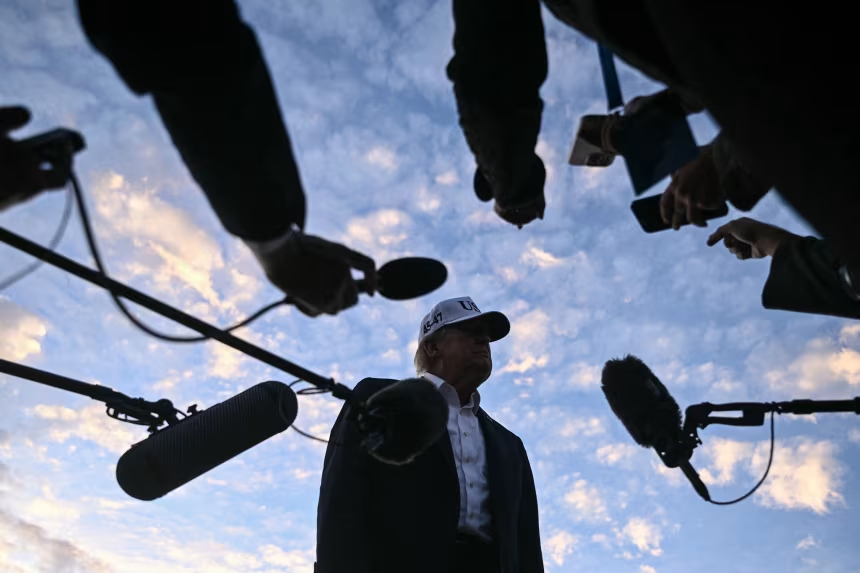
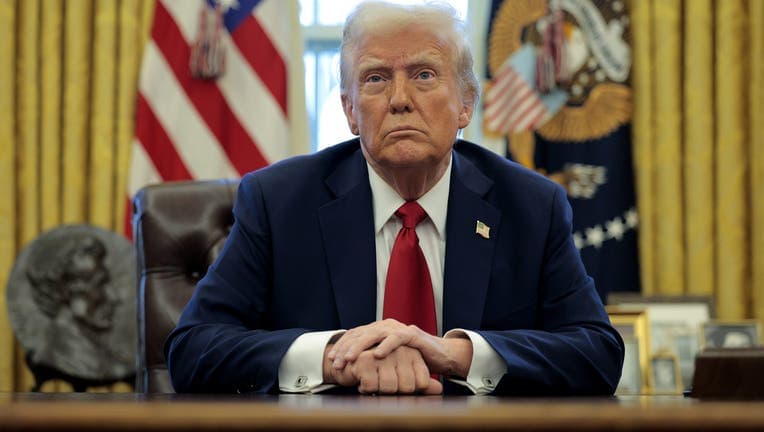
President Donald Trump announced Saturday via social media that his administration will appoint a new artificial intelligence adviser—referred to as an "AI tsar"—and establish an "AI force," though he provided no specifics about the structure, responsibilities, or implementation timeline for either initiative.
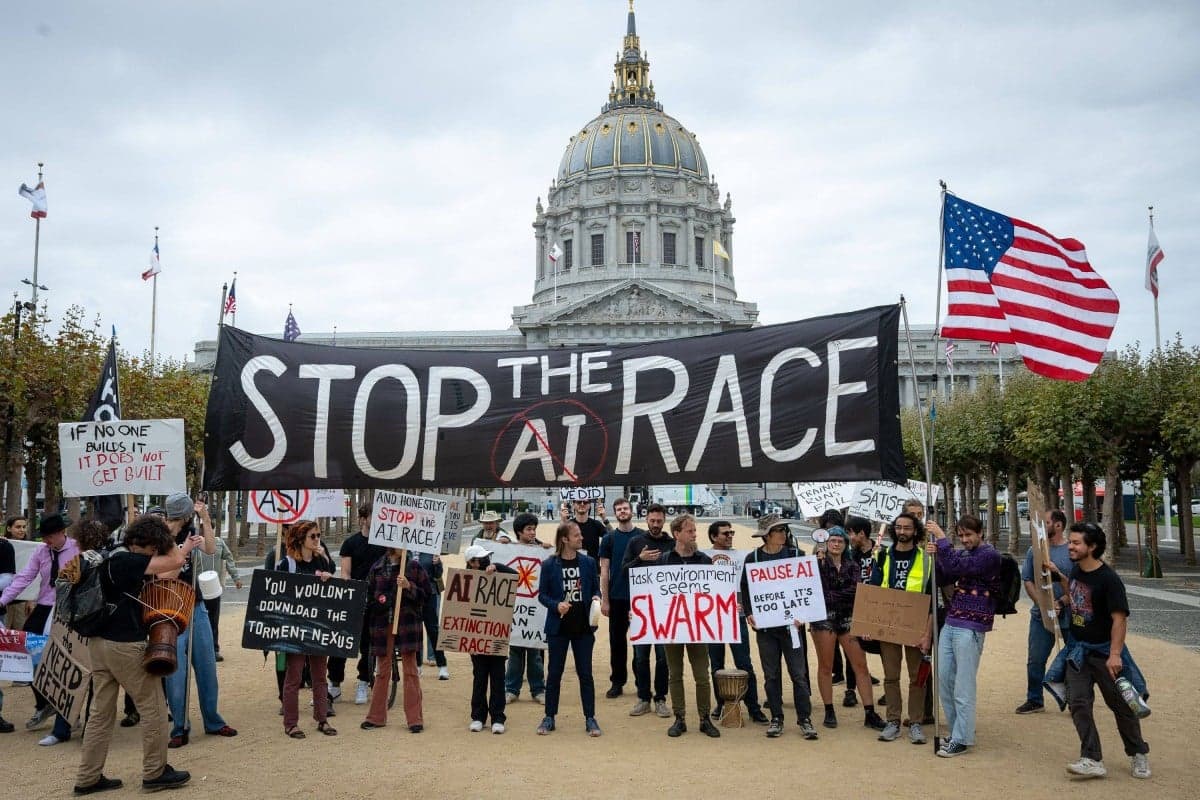
The announcement comes as congressional lawmakers express mounting concern about potential threats from AI systems. The president's statement did not address these safety considerations or explain how the new positions would coordinate with existing government AI efforts.
Why It Matters
The creation of high-level AI coordination roles signals the administration's recognition that artificial intelligence requires dedicated executive attention, even as Trump maintains his opposition to new regulations. How these positions interact with existing federal AI initiatives—and whether they focus on promotion versus oversight—will shape U.S. competitiveness and risk management in a technology domain where China and other nations are investing heavily.
Regulatory Stance Remains Unchanged
Trump used the announcement to reiterate his position against additional AI regulation, stating on social media: "We will not in any way hinder or stifle the Growth of this incredible Industry." This stance contrasts with growing calls from some quarters for stronger AI governance frameworks.
The president has consistently downplayed concerns about AI risks throughout his term, positioning regulatory restraint as essential for maintaining American technological leadership.
Safety Warnings From AI Researchers
The timing of Trump's announcement follows heightened warnings from AI safety experts. Earlier this month, Jacob Coxon, a former researcher at Anthropic, made stark public comments about existential risks, stating that "people building AI earnestly believe that it could kill us all by the end of the decade."
Such warnings have contributed to increased anxiety in Washington about whether current oversight mechanisms are adequate for managing advanced AI systems. The disconnect between these safety concerns and the administration's deregulatory approach represents a central tension in U.S. AI policy.
Implementation Questions Remain
Key questions about the proposed AI tsar and AI force remain unanswered, including:
- Whether these roles will focus primarily on promoting AI development or managing risks
- How they will coordinate with the National AI Initiative Office and other existing federal AI programs
- What authority and budget the positions will command
- Whether the AI tsar will require Senate confirmation
The lack of detail in Trump's announcement leaves unclear whether these initiatives represent substantive policy shifts or primarily symbolic gestures.
These details were first reported by the South China Morning Post.
This is an original analysis by the Omega editorial team. Source reporting: AI Watch.
Want systems like this working for your business?
Book a Call