Trump Plans 'AI Force' Military Branch and AI Czar Appointment
The president compared the proposed structure to Space Force and pledged light-touch oversight of the sector he says could reach 25% of GDP.
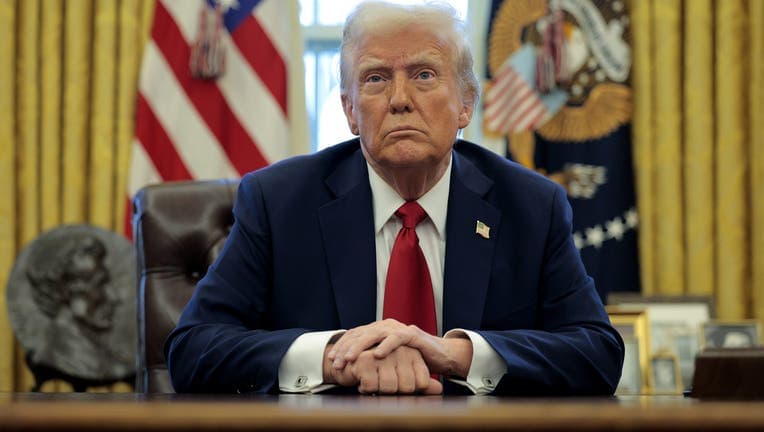
President Donald Trump announced intentions to establish a military branch focused on artificial intelligence and name a senior official to coordinate AI policy across the federal government, according to a statement he posted on Truth Social.
Trump drew parallels between the proposed AI Force and the Space Force, which was created as the sixth branch of the U.S. armed forces during his first administration. The president framed the initiative as a way to support the technology sector's expansion while ensuring government oversight exists to address potential misuse.
Light regulation, criminal enforcement
In his social media post, Trump emphasized that his administration would not impose restrictions that could slow AI development. He wrote that the government would "cherish it, help it, and watch over it, as it grows," while relying on existing criminal and civil legal frameworks to handle bad actors rather than creating new regulatory structures.
The president said he would announce his selection for the AI Czar position soon, adding that "only High I.Q. individuals need apply." No timeline was provided for when the AI Force might be formally established or what its specific mandate would entail.
Economic and strategic ambitions
Trump projected that artificial intelligence could eventually represent up to 25% of U.S. gross domestic product, comparing its potential economic impact to the Industrial Revolution and the internet. He positioned AI development as a competitive arena where maintaining American leadership is essential.
"We are leading China, and the rest of the World, and I intend to keep it that way," Trump stated in the post, highlighting the geopolitical dimension of AI advancement.
The announcement comes as governments worldwide grapple with how to balance AI innovation with concerns about safety, national security, and economic disruption. Trump's approach signals a preference for minimal regulatory intervention combined with strategic government involvement through dedicated institutional structures.
Why it matters
The creation of an AI-focused military branch would represent a significant organizational shift in how the U.S. government approaches artificial intelligence for defense and national security purposes. An AI Czar role could centralize policy coordination across agencies that currently handle AI issues independently, though the actual authority and budget of such a position remain undefined. Trump's stated goal of avoiding regulation while promoting growth sets up potential tension with lawmakers and experts calling for AI guardrails.
These details were first reported by Fox 5 DC, drawing from Trump's Truth Social post and Reuters reporting.
This is an original analysis by the Omega editorial team. Source reporting: AI Watch.
Want systems like this working for your business?
Book a Call