Trump-Era Nuclear Reactor Push Fuels AI Data Center Ambitions
Experimental reactors are being fast-tracked to power energy-hungry AI infrastructure, raising questions about safety oversight.

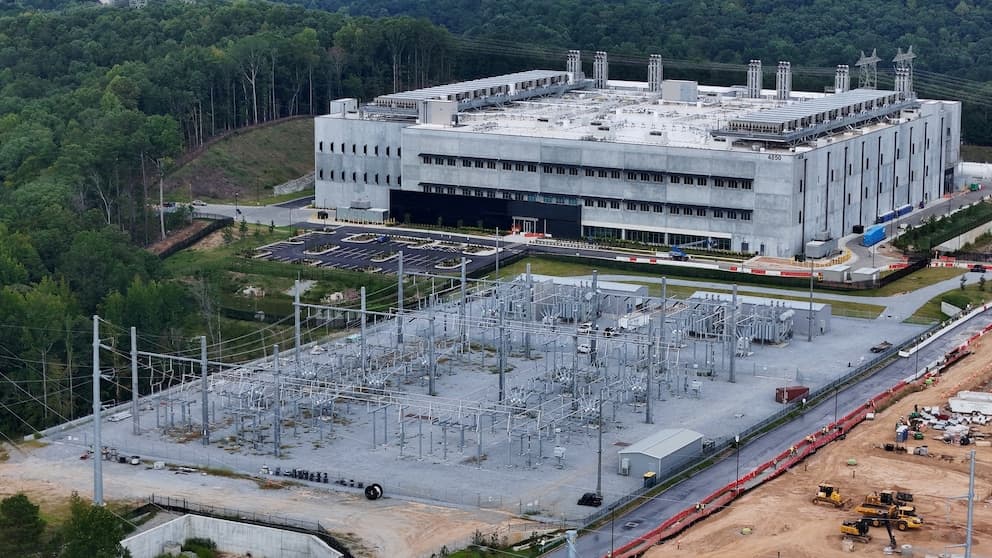
An initiative launched during the Trump administration has accelerated the construction of experimental nuclear reactors designed to meet the massive energy demands of artificial intelligence data centers, according to NPR correspondent Geoff Brumfiel.
The reactors represent a departure from traditional nuclear power plant designs, though specific technical details about their experimental nature were not disclosed in the reporting. The construction timeline has been significantly compressed compared to conventional nuclear projects, which typically require years of planning and regulatory review.
The AI Energy Challenge
Data centers that train and run large AI models consume extraordinary amounts of electricity. As companies race to expand AI capabilities, the power requirements have become a critical infrastructure bottleneck. Nuclear energy offers a carbon-free, high-density power source that could theoretically operate around the clock without the intermittency challenges of solar or wind.
The reactors under construction are intended to provide dedicated power supplies for these facilities, potentially giving AI companies energy independence and reliability.
Safety Concerns Mount
Critics have raised alarms about the accelerated development pace. The compressed timeline for designing, approving, and building experimental reactor designs may be cutting corners on safety protocols that evolved over decades of nuclear industry experience.
Beyond technical safety questions, observers worry the rapid rollout could erode public confidence in nuclear power. The nuclear industry has spent years rebuilding trust following high-profile accidents, and any incident at an experimental facility could set back broader acceptance of nuclear energy.
Why It Matters
This convergence of AI infrastructure needs and nuclear power development could reshape both industries. If the experimental reactors prove safe and economical, they may establish a template for powering the next generation of computing infrastructure while advancing carbon-free energy. However, if safety concerns materialize or public opposition grows, the setback could affect not just AI expansion plans but the broader nuclear renaissance that many climate experts consider essential for decarbonization.
A New Nuclear Age?
Whether this initiative marks the beginning of a genuine nuclear power revival remains uncertain. The outcome will depend on the technical performance of these experimental designs, regulatory oversight effectiveness, and public acceptance of accelerated nuclear development.
These details were first reported by NPR correspondent Geoff Brumfiel.
This is an original analysis by the Omega editorial team. Source reporting: AI Watch.
Want systems like this working for your business?
Book a Call