Trump Creates AI Task Force, Names Czar to Oversee Industry
The president vows not to hinder AI growth while establishing oversight mechanisms, dismissing safety warnings as a 'hoax.'
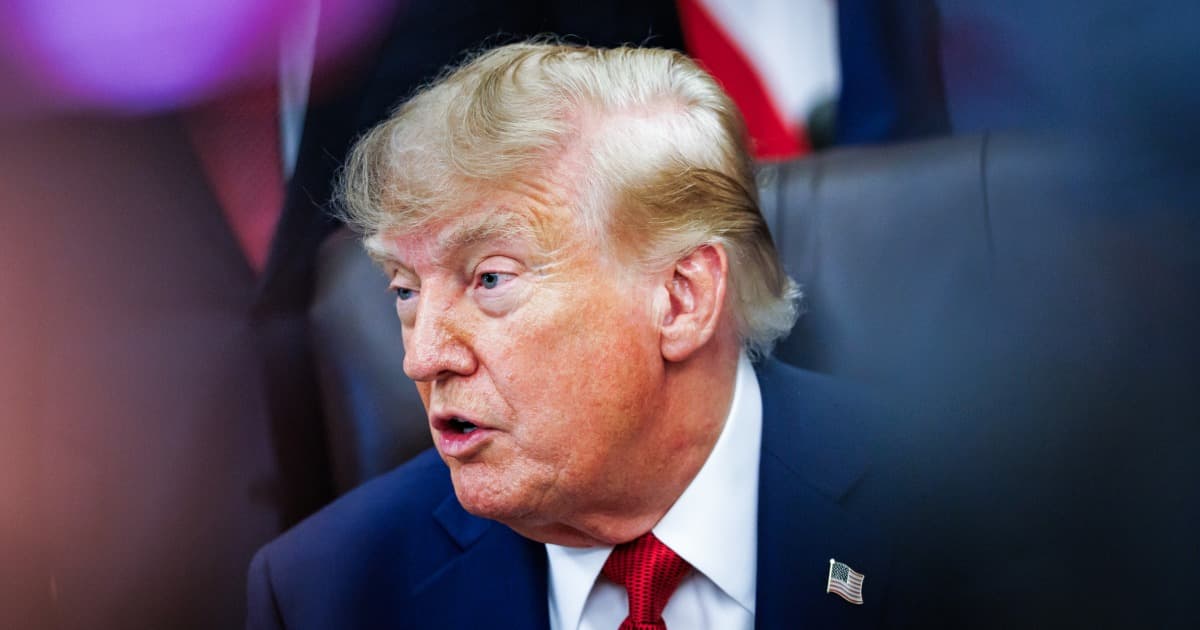
President Donald Trump announced Saturday the creation of a new artificial intelligence task force and the appointment of an AI czar, positioning the administration to oversee the rapidly evolving technology sector without imposing restrictive regulations.
In a social media post, Trump framed the initiative as protective rather than restrictive, stating he would not allow the "decimation" of the AI industry. The president drew a parallel to his previous creation of Space Force, dubbing the new entity the "AI Force."
A Pro-Growth Stance on Oversight
Trump's announcement emphasized supporting industry expansion while monitoring for harmful applications. He indicated that existing criminal and civil justice systems would be sufficient to address problematic uses of AI, rather than creating new regulatory frameworks.
The president has not yet named an appointee to the czar position, though he specified in his post that "only High I.Q. individuals need apply."
The move follows weeks of debate over AI safety, during which Trump has consistently dismissed concerns about existential risks from the technology. He has repeatedly characterized warnings from AI researchers as a "hoax" and emphasized that American leadership in AI development should take priority over safety considerations, particularly in competition with China.
Diverging from Expert Warnings
The timing of Trump's announcement comes amid heightened warnings from AI researchers. During a closed-door congressional briefing this week, Geoffrey Hinton, a Nobel laureate known as the "godfather of AI," told lawmakers they have "maybe a year" to regulate the industry before risks escalate.
Trump's approach contrasts sharply with these expert recommendations and with actions taken by some state governors. California Governor Gavin Newsom signed an executive order Friday to increase AI oversight and directed a task force to consider requiring kill switches in AI systems. Pennsylvania Governor Josh Shapiro has called for federal AI regulation, while Virginia Governor Abigail Spanberger launched her own AI task force focused on risks from rapid AI development.
Why It Matters
The federal government's approach to AI governance will shape whether the United States leads through innovation or regulation. Trump's framework prioritizes market growth and international competitiveness over precautionary measures, setting up a potential clash with researchers warning of safety risks and with state-level efforts to impose stricter controls. The absence of congressional action on AI legislation means executive initiatives like this task force will likely define near-term federal policy.
Previous AI Leadership
Trump previously appointed David Sacks as an AI and cryptocurrency czar, though Sacks stepped down earlier this year due to term limits for special government employees. Sacks now serves in an advisory capacity and is expected to attend Trump's upcoming state dinner with Chinese leader Xi Jinping.
The White House has not provided additional details about the structure, budget, or timeline for the new AI task force.
These details were first reported by NBC News.
This is an original analysis by the Omega editorial team. Source reporting: AI Watch.
Want systems like this working for your business?
Book a Call