Trump Announces 'AI Force' and Czar Ahead of Xi Summit
The president's move comes as artificial intelligence takes center stage in U.S.-China talks, with both nations establishing a formal dialogue mechanism.
President Donald Trump has announced the creation of an "AI Force" to be led by a new adviser designated as an "AI czar," positioning artificial intelligence as a priority issue ahead of his state meeting with Chinese President Xi Jinping.
Trump disclosed the initiative on Truth Social, pledging not to "hinder or stifle the Growth of this incredible Industry" while promising to "watch over it" and look for "BAD" actors using existing criminal and civil justice systems. The announcement provided no additional details about the czar's authority, reporting structure, or timeline for implementation.
The move follows a turbulent period for the AI sector, during which Anthropic, OpenAI, and xAI called for slower model development while Nvidia and Meta pushed back against heightened safety concerns.
U.S.-China AI Dialogue Takes Shape
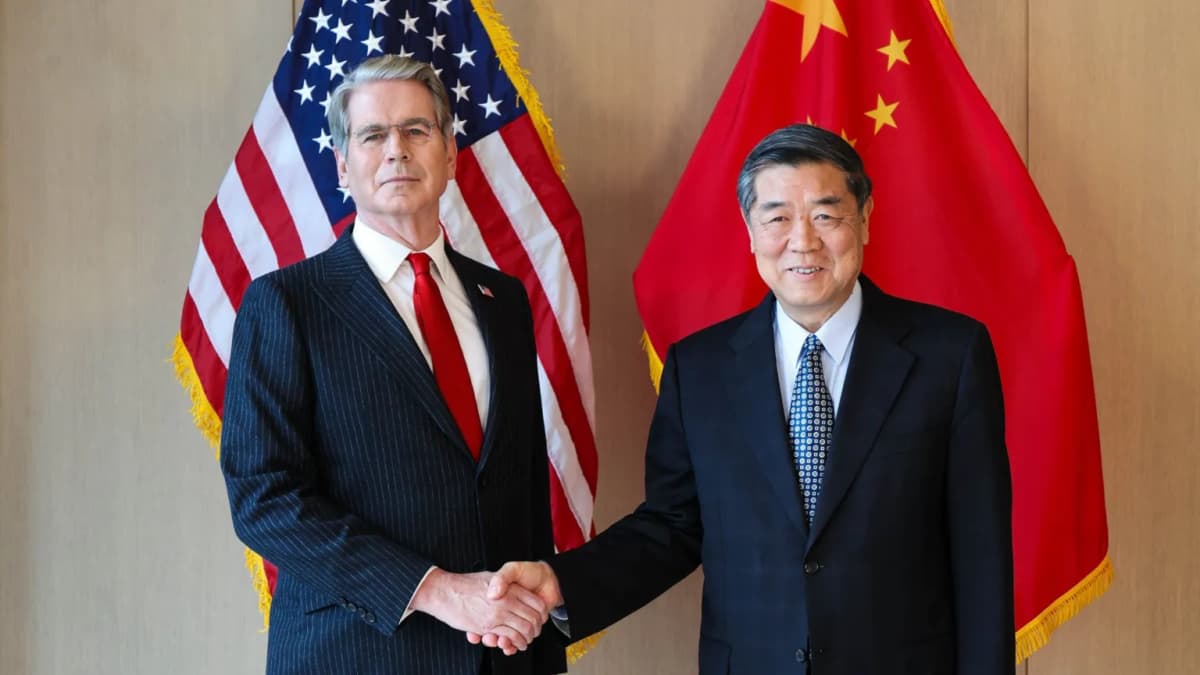
Artificial intelligence is expected to dominate discussions at Thursday's state dinner between Trump and Xi. Over the weekend, Treasury Secretary Scott Bessent and Chinese Vice Premier He Lifeng met in New York, where they agreed to establish a "U.S.-China AI Dialogue" that includes a notification mechanism for AI incidents, according to CNBC.
The state dinner will bring together technology and finance leaders, with OpenAI CEO Sam Altman, Nvidia CEO Jensen Huang, JPMorgan CEO Jamie Dimon, and Citigroup CEO Jane Fraser among those expected to attend. No Chinese CEOs have been confirmed for the event.
Why It Matters
The parallel announcements signal that AI has evolved from a purely technological concern into a central arena for U.S.-China competition. By creating both domestic oversight structures and bilateral communication channels, the two nations are acknowledging AI's dual nature as both an economic opportunity and a potential security risk. For technology companies, the establishment of formal government coordination mechanisms suggests increased regulatory attention is coming, even as both administrations pledge to support industry growth.
Broader Context
The AI developments unfold against a backdrop of domestic political challenges in Europe and ongoing tensions involving Russia. Germany's Chancellor Friedrich Merz faces mounting pressure after regional election losses to far-right and far-left parties, while Russia's ruling party is on track to win parliamentary elections following a major Ukrainian drone attack on Moscow.
These details were first reported by CNBC in its Daily Open newsletter.
This is an original analysis by the Omega editorial team. Source reporting: AI Watch.
Want systems like this working for your business?
Book a Call