Policy
Trump and Xi Commit to Joint AI Safety Framework
The U.S. and Chinese presidents agreed to collaborate on moderate AI regulations during bilateral talks in Shenzhen.
Key takeaways
- President Trump and Chinese President Xi Jinping agreed to work together on moderate AI safety regulations during their November 2026 meeting in Shenzhen.
- The Chinese embassy stated both countries should strengthen coordination to prevent AI security risks and ensure AI remains under human control.
- The commitment comes as the U.S. and China compete intensely to develop superior AI models, viewing the technology as strategically critical.
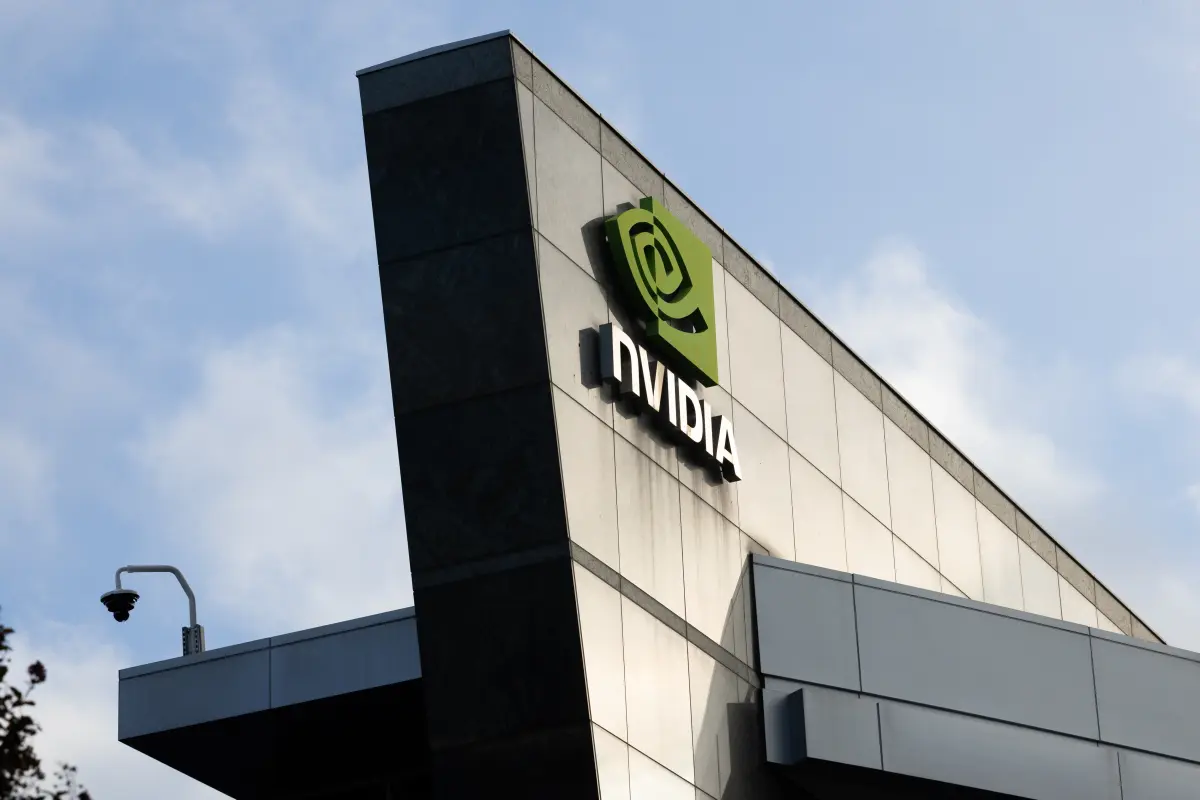
- Trump said he did not extensively discuss Nvidia or allegations involving CEO Jensen Huang's relationship with an alleged Chinese spy during the talks.
- The U.S. has long restricted China's access to advanced Nvidia chips to prevent Chinese military applications of American semiconductor technology.
President Donald Trump and Chinese President Xi Jinping have agreed to collaborate on artificial intelligence safety regulations, marking a rare area of cooperation between the world's two largest economies as they compete for AI dominance.
Trump told Fox News on Thursday that both leaders want AI regulations focused on safety and will work together on what he characterized as reasonable rules. The announcement came following Trump's visit to Shenzhen, China, where Xi personally greeted the U.S. president—a rare diplomatic gesture.
Competing powers seek common ground
The Chinese embassy in Washington reinforced the commitment in a Thursday statement, saying the two nations should "strengthen communication and coordination, prevent the security risks of AI and ensure that AI is always under human control."
The agreement comes as both countries view advanced AI capabilities as strategically critical for military and technological leadership. The United States and China are locked in an intense race to develop superior AI models, with each nation investing heavily in the technology while simultaneously working to limit the other's access to key resources.
Nvidia tensions in the background
During the Fox News interview, Trump said he did not extensively discuss Nvidia or allegations involving the company's CEO Jensen Huang with Xi. The New York Times reported in October that Huang had a romantic relationship with a woman accused of spying for Beijing, though Reuters noted it has not independently confirmed the espionage allegations.
Nvidia manufactures the advanced chips that power cutting-edge AI development worldwide. For years, the U.S. government has restricted China's access to Nvidia's most sophisticated processors, aiming to prevent the Chinese military from benefiting from American semiconductor technology.
Why it matters
This commitment to joint AI safety standards represents a significant diplomatic development in a relationship otherwise defined by strategic competition and trade tensions. If implemented, coordinated AI governance between Washington and Beijing could establish de facto global standards, given both nations' outsized influence in technology development. The agreement also suggests both governments recognize that unchecked AI advancement poses risks neither can manage unilaterally—even as they continue competing for technological supremacy.
The details were first reported by Reuters following Trump's bilateral meeting with Xi in Shenzhen on November 19, 2026.