Trump AI Executive Order Seeks Voluntary Pre-Release Reviews
New policy asks tech firms for 30-day government review window while debate intensifies over federal stakes in AI companies.
Voluntary Framework Divides Washington
President Donald Trump signed an executive order this week requesting that technology companies voluntarily grant the U.S. government a 30-day review period before releasing AI models to the public. The order also directs the Treasury Department to establish procedures for examining security vulnerabilities identified by AI systems.
The policy reflects a lighter regulatory touch that has drawn sharp criticism from Democrats who argue it fails to adequately protect the public. Rep. Don Beyer of Virginia, co-chair of the Congressional AI caucus, called the approach "underwhelming policy" that creates "a wild west environment for AI development."
David Sacks, Trump's former AI czar and a venture capitalist, defended the order on social media as "a game changer" that allows AI labs to comply with oversight frameworks without delaying model releases.
Industry Lobbying Intensifies
The policy debate unfolds as the AI industry deploys significant political resources. Industry groups plan to spend at least $265 million through super PACs to shape the regulatory landscape, according to Qz.com, which first reported these details. Major players including Anthropic and OpenAI have opened Washington offices within the past year to establish direct presence in the capital.
Public sentiment toward AI has grown increasingly negative, driven by concerns about job displacement, rising electricity costs from data center construction, and broader impacts on social media and national security.
Nationalization Proposal Emerges
At the opposite end of the regulatory spectrum, Independent Sen. Bernie Sanders of Vermont has proposed that the federal government take 50% ownership stakes in AI companies. His plan would direct returns from these investments into a sovereign wealth fund that would issue direct payments to Americans.
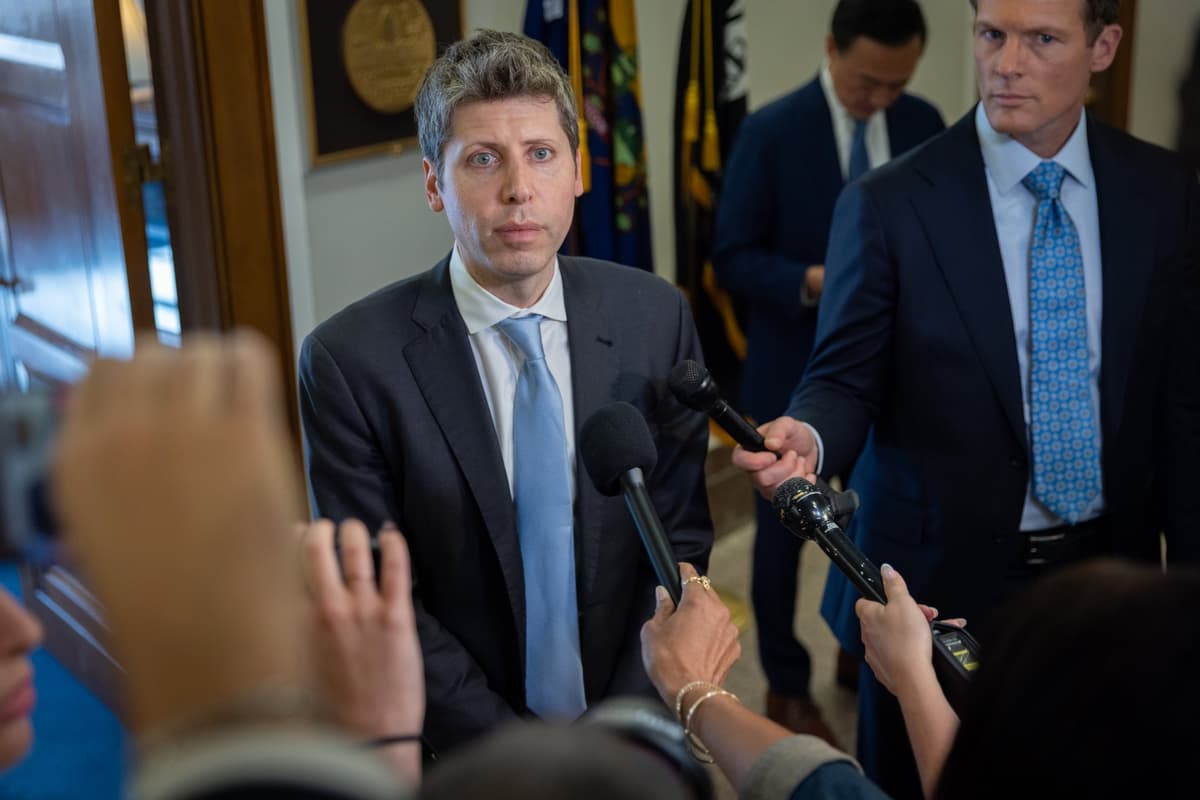
The proposal draws inspiration from the Trump administration's own interest in government stakes in chipmaker Intel and critical mineral production companies. According to reports from NOTUS and the Wall Street Journal, Trump administration officials are discussing taking equity positions in AI firms. OpenAI CEO Sam Altman met with Sanders at the U.S. Capitol on Wednesday.
Why it matters
The competing visions—from voluntary compliance to partial nationalization—reveal fundamental disagreement over how to govern technology that could reshape the economy and national security. With the AI industry spending heavily to influence policy and public anxiety rising, the regulatory framework that emerges will determine whether the U.S. prioritizes innovation speed or protective guardrails. The outcome will affect everything from model deployment timelines to the distribution of AI-generated wealth.
These details were first reported by Qz.com.
This is an original analysis by the Omega editorial team. Source reporting: AI Watch.
Want systems like this working for your business?
Book a Call
