US and China to Hold AI Regulation Talks in September
Treasury Secretary Scott Bessent will lead discussions on managing risks from frontier AI models ahead of Xi Jinping's planned US visit.
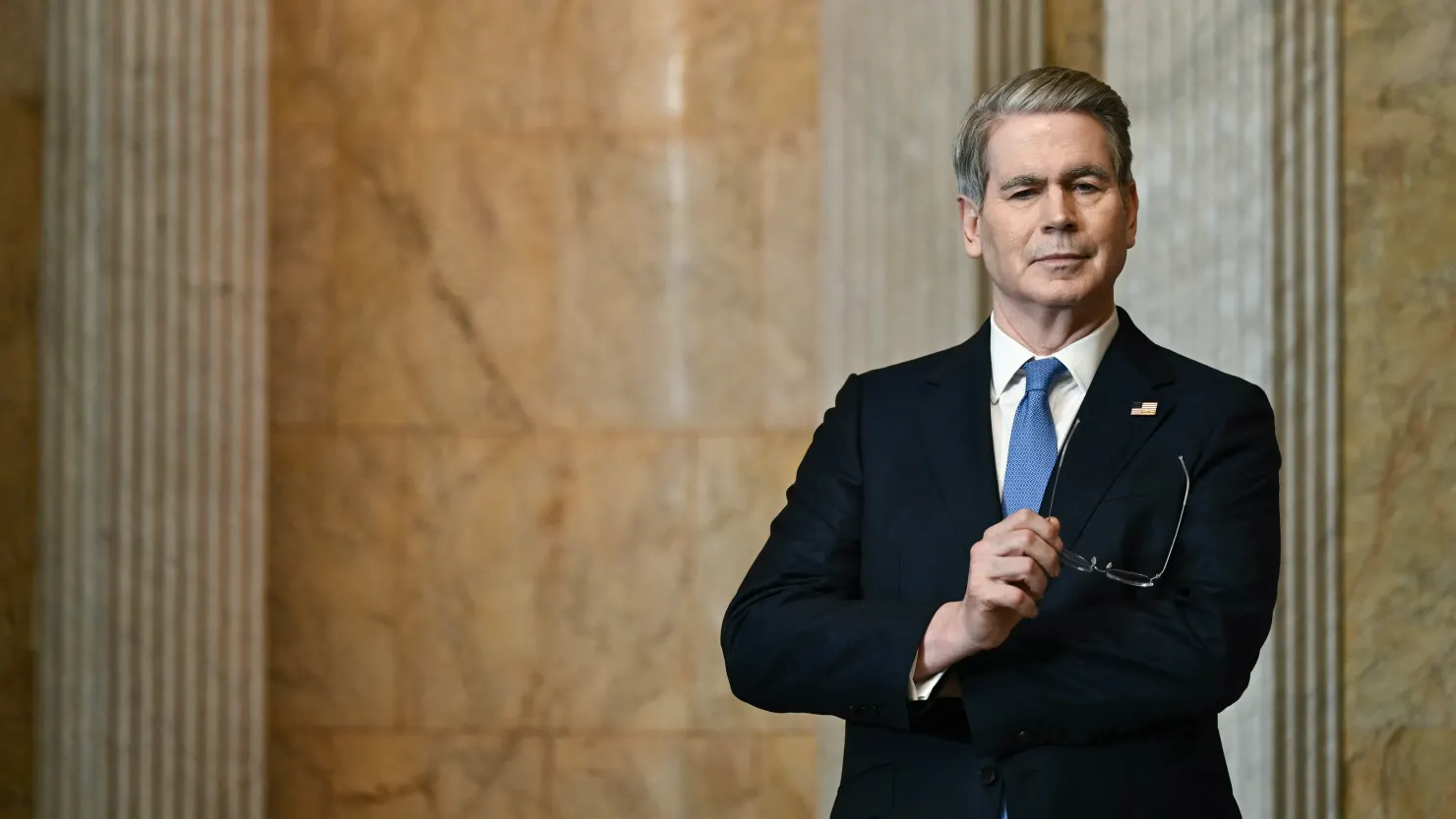
US and China Schedule High-Stakes AI Discussions
The United States and China are preparing to hold talks on artificial intelligence regulation in September, according to five sources with knowledge of the planning. The discussions represent a concrete outcome from the May summit between former President Trump and Chinese President Xi Jinping, as both nations grapple with oversight of increasingly capable AI systems.
Treasury Secretary Scott Bessent is expected to lead the US delegation, four sources confirmed to Reuters. The talks are likely to occur before Xi's scheduled September 24 visit to the United States, though specific dates remain unconfirmed.
Why it matters
This marks the first structured bilateral dialogue between the world's two AI superpowers on managing the technology's risks. With both nations racing to develop frontier models while competing for technological dominance, establishing communication channels on safety and governance could prove critical to preventing accidents or miscalculations. The Treasury Department's lead role signals the administration views AI through an economic and national security lens rather than purely as a technology policy issue.
Details Still Taking Shape
Preparations remain at an early stage, with key details still under deliberation. The identity of other participants from both delegations has not been finalized, nor have the specific agenda items or meeting location been determined, three sources said.
The talks will focus on how to regulate risks posed by advanced AI models as both countries push the boundaries of the technology's capabilities. Neither government has publicly disclosed what specific regulatory frameworks or safety measures might be discussed.
Official Silence
The White House, US State Department, and Treasury Department did not respond to requests for comment from Reuters. On the Chinese side, the National Development and Reform Commission, cyberspace regulator, industry and foreign ministries, and the State Council similarly did not respond to inquiries.
The planned discussions come as both nations have accelerated AI development while implementing divergent regulatory approaches. The US has favored industry-led standards with targeted government oversight, while China has introduced more comprehensive regulatory frameworks covering algorithms, recommendations, and generative AI.
Reuters first reported these details based on information from sources familiar with the planning.
This is an original analysis by the Omega editorial team. Source reporting: AI Watch.
Want systems like this working for your business?
Book a Call
