Telecom Carriers Could Own AI Agent Platforms, Not Just Sell Tokens
China's carriers are distributing AI access, but U.S. networks have a chance to control the entire stack by building agent infrastructure at the phone number level.
Carriers face a platform-or-pipe decision in AI
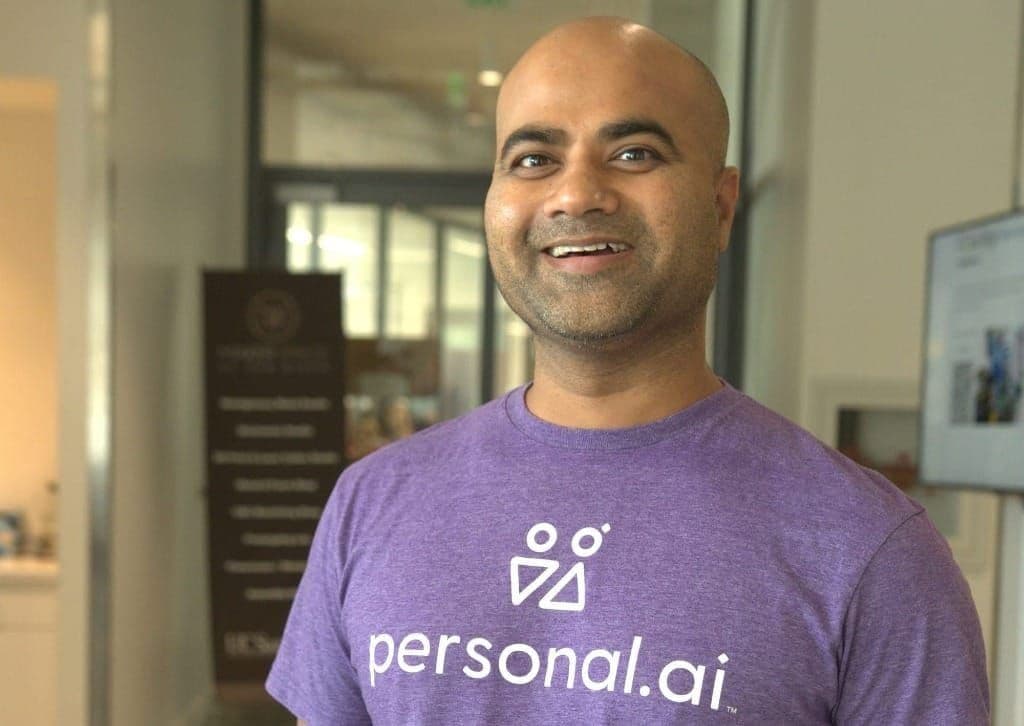
Chinese telecom carriers have begun selling AI token plans to consumers, packaging access to large language models into subscription offerings. But according to Suman Kanuganti, co-founder and CEO of Personal AI, they're making a strategic error: acting as distributors rather than platform owners.
The distinction carries enormous financial implications. Distribution typically captures 10 to 15 percent of revenue, while platform aggregation allows carriers to control the user experience, economics, and customer relationship. For U.S. carriers, Kanuganti argues, the choice represents hundreds of billions of dollars in potential value.
The immediate opportunity lives at the phone number
Before carriers consider aggregating AI platforms, a more fundamental opportunity exists within their existing infrastructure: call handling, missed call management, and text response. These capabilities are native to carrier networks and inaccessible to technology companies without carrier cooperation.
A personal agent operating at the phone number level requires no new app or separate registration. When someone calls or texts, the agent is already present. This represents a carrier-exclusive capability that big tech cannot replicate independently.
Why it matters
Carriers stand at an inflection point similar to 2007, when AT&T's decision to offer unlimited data plans for the iPhone transformed mobile economics. Today, tokens represent the new data primitive, and personal agents could be the product that makes tokens essential. For a single carrier, Kanuganti estimates this could generate $12 billion in annual revenue at conservative assumptions—roughly $10 per month per subscriber in additional ARPU.
A three-layer revenue architecture
Kanuganti proposes a structured approach with three distinct revenue layers.
The first layer involves token pools built into consumer subscriptions, powering carrier-native AI functions like call handling and proactive reminders. This generates direct consumer revenue without third-party dependencies.
The second layer aggregates LLM providers—OpenAI, Anthropic, Google, Perplexity—for tasks requiring deep reasoning or web search. In this model, carriers bill AI platforms for network access, creating a new B2B revenue stream.
The third layer enables agent-to-agent communication, where personal agents interact with enterprise service agents from companies like Uber or OpenTable without users opening apps. The carrier becomes a transaction platform, capturing a share of transaction value similar to app store economics.
Privacy as competitive advantage
Carrier networks offer structural privacy advantages. Memory and data remain on the network rather than passing through third-party platforms. Phone calls on carrier infrastructure are more private than calls on Apple's FaceTime, and CPNI compliance is already embedded in carrier operations. In an environment where trust in AI data handling is declining, this represents a significant asset.
The window for action
Kanuganti emphasizes this decision requires CEO-level commitment, comparable to AT&T's 2007 bet on the iPhone. China's carriers moving first should prompt U.S. networks to act faster and more strategically, he argues, building platforms rather than following a distribution model.
These details were first reported by Broadband Breakfast in an expert opinion piece by Kanuganti.
This is an original analysis by the Omega editorial team. Source reporting: AI Watch.
Want systems like this working for your business?
Book a Call