TCS Chairman: AI Agents Will Match Employee Count by 2026
India's largest IT services firm signals a fundamental shift in workforce composition as automation accelerates across the $315 billion sector.
Tata Consultancy Services is preparing for a workforce where AI agents will equal the number of human employees, a transformation its chairman says is imminent and will reshape hiring across India's entire IT sector.
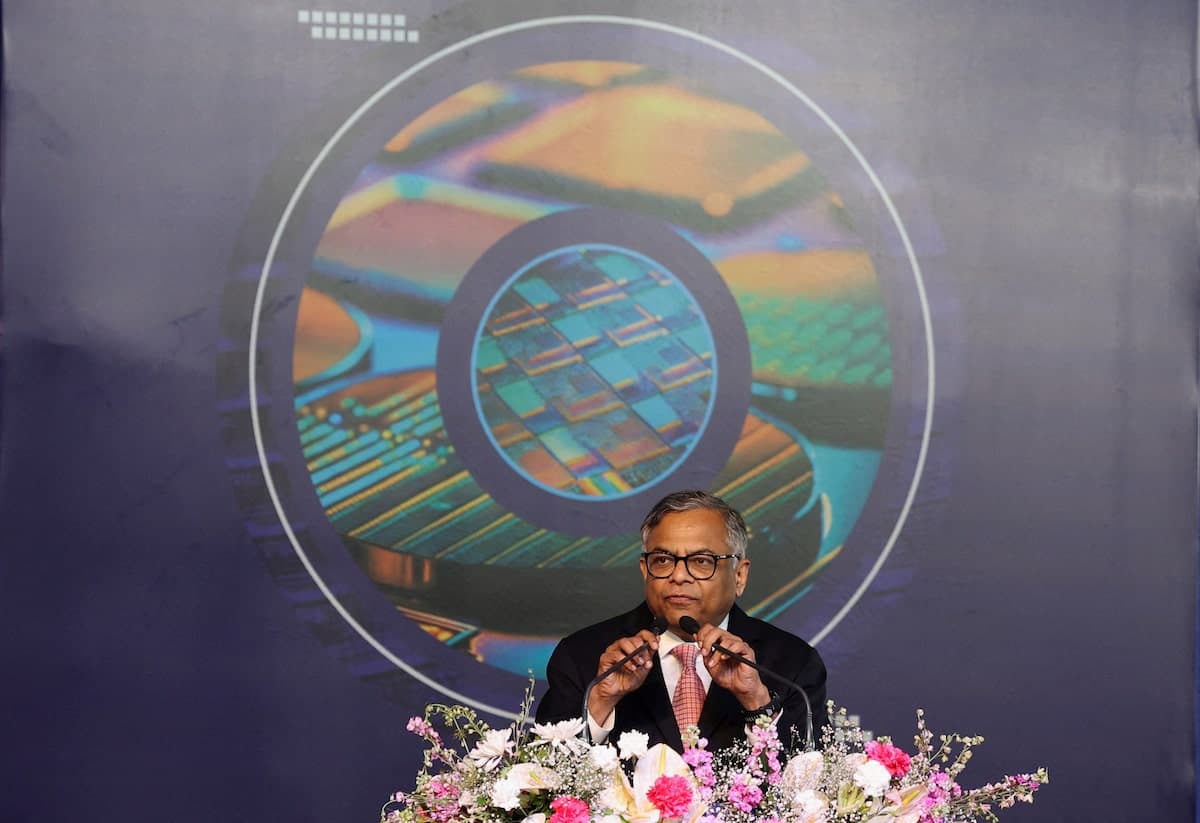
N Chandrasekaran told shareholders at TCS's annual general meeting Tuesday that the company expects to deploy AI agents at a one-to-one ratio with its roughly 500,000-person workforce. The shift will slow hiring industry-wide as automation takes over routine tasks, though TCS does not plan layoffs, he said.
Why it matters
TCS is India's largest software services exporter by market capitalization and headcount, making Chandrasekaran's forecast a bellwether for the country's $315 billion IT sector. The industry employs millions and has built its business model on labor arbitrage—delivering services at lower cost through large teams of engineers. A move toward AI agents signals a fundamental restructuring of that model, with implications for employment, skills development, and India's economic growth.
The transition underway
TCS has already begun adjusting its workforce size. The Mumbai-based company cut more than 12,000 positions last July, and net headcount declined by over 23,000 during the fiscal year that ended in March 2026, according to details shared at the meeting.
Chandrasekaran framed the change as an evolution rather than replacement. Human employees and AI agents will work in tandem, he said, with new roles emerging as companies adapt to AI-driven operations. The transition will affect not just TCS but the broader IT industry and India as a nation, he noted.
Revenue impact
AI is already generating substantial business for TCS. The company's annualized AI revenue surpassed $2.3 billion in the quarter ended March 31. Chandrasekaran projected that 100% of TCS revenue will incorporate an AI component before 2030.
The shift comes as India's IT sector faces dual pressures: investor concerns about AI disruption to traditional labor-intensive models, and weakened client demand stemming from geopolitical instability. These factors have already contributed to slower hiring across the industry in recent years.
Industry-wide implications
Chandrasekaran emphasized that reduced hiring will extend beyond TCS as AI agents automate tasks currently performed by people. The technology has already transformed work practices across industries from Silicon Valley to media organizations, as companies pursue efficiency gains while navigating rapid technological change.
The one-to-one ratio Chandrasekaran described represents a dramatic reconfiguration of how IT services firms operate and deliver value to clients. Whether competitors follow TCS's timeline or adopt similar workforce targets will shape the sector's evolution over the next several years.
These details were first reported by Reuters.
This is an original analysis by the Omega editorial team. Source reporting: AI Watch.
Want systems like this working for your business?
Book a Call