Taiwan charges Nvidia, Super Micro staff in AI server smuggling case
Prosecutors allege nine people illegally exported 74 high-end B300 GPU servers to mainland China through elaborate routing schemes.
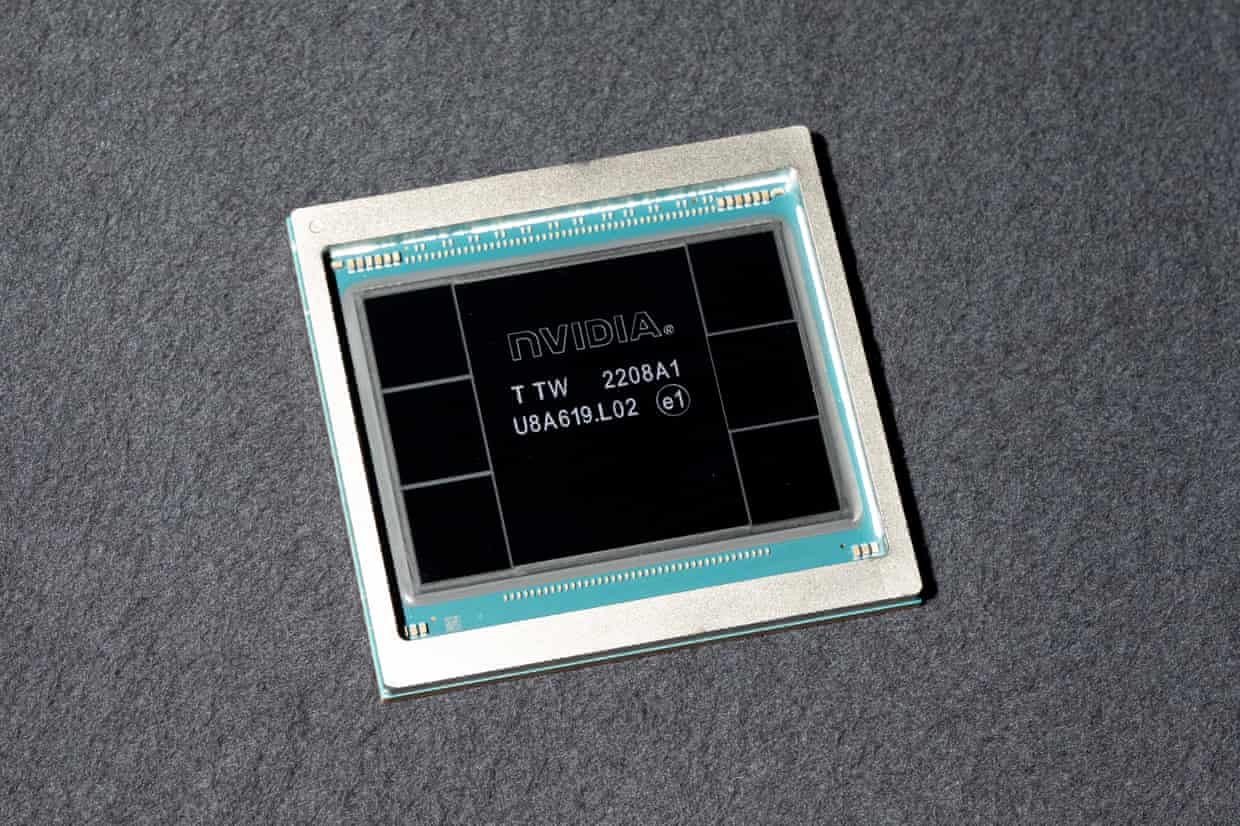
Taiwan prosecutes AI hardware smuggling ring
Taiwanese prosecutors on Monday charged nine individuals with illegally exporting advanced AI servers to mainland China, including employees from Nvidia and Super Micro. The case centers on 74 servers equipped with B300 graphics processing units that successfully reached China despite export restrictions, according to the Keelung District prosecutors' office.
The smuggling operation used multiple routes to circumvent controls: 50 servers transited through Indonesia, 16 went directly to China, and eight traveled through Japan and Hong Kong before arriving on the mainland. Authorities intercepted another attempted shipment of 56 servers, which remain in Taiwan.
Why it matters
This prosecution reveals how sophisticated actors are exploiting third-country routes and corporate access to evade U.S.-led technology restrictions on China. The case demonstrates that export controls on AI infrastructure face enforcement challenges even in allied territories like Taiwan, where the advanced chips are manufactured. For technology companies, it underscores the compliance risks when employees have authorization authority over restricted hardware.
Export control framework under pressure
The United States has progressively tightened restrictions on advanced semiconductor exports to China since 2022, targeting Nvidia's most capable chips. Washington imposed licensing requirements for Nvidia's H20 chips to China in April 2025, though some sales later resumed.
Under current regulations, any sale of high-end AI servers requires rigorous review, and purchases exceeding eight units mandate on-site client verification by company personnel. The B300 GPUs at the center of this case fall under the banned category for Chinese sales.
Key defendants and alleged methods
Prosecutors identified an Nvidia manager surnamed Chang as the "key figure" who authorized release of the B300 GPUs. The prosecutors' document noted Chang "demonstrated a clearly poor attitude following the offense" and are seeking the maximum five-year sentence for him and three other defendants.
Some accused individuals allegedly established a company in Japan to facilitate the transfer of eight servers. Others reportedly created fraudulent websites and falsified documentation to bypass export restrictions.
Company responses
Nvidia spokesperson Patrick Rutherford stated the company "will work with the Taiwan authorities to help them resolve the allegations as quickly as possible." Super Micro said the arrests of two former employees resulted from its cooperation with Taiwanese authorities and pledged to "enhance its robust export compliance program to protect American innovation."
The case adds another dimension to the intensifying technology competition between the United States and China, where AI infrastructure and the advanced semiconductors that power it have become strategic assets. Details of the charges were first reported by The Guardian.
This is an original analysis by the Omega editorial team. Source reporting: AI Watch.
Want systems like this working for your business?
Book a Call
