Stockton Police Deploy AI Translation Body Cameras Citywide
More than 300 officers now use Axon technology that translates over 50 languages in real time during emergency calls and investigations.
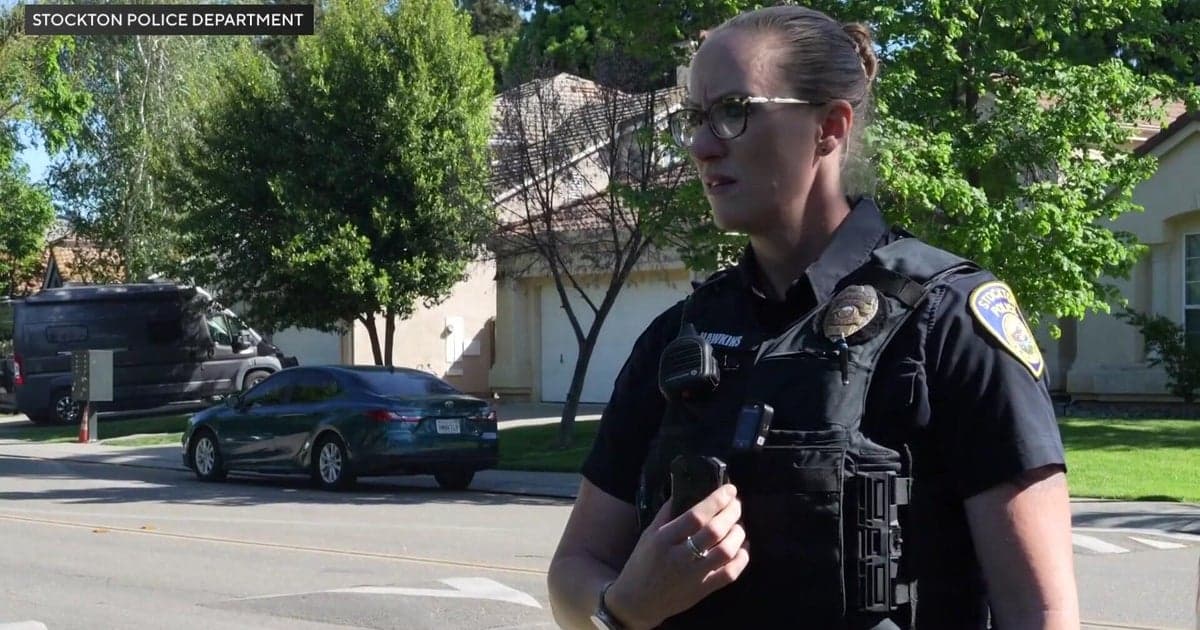
Stockton deploys real-time translation technology across police force
The Stockton Police Department has become one of the first major law enforcement agencies in California to equip its entire force with AI-powered body cameras capable of real-time language translation. More than 300 sworn officers now carry the Axon technology, which can detect and translate conversations in over 50 languages during field interactions.
The deployment addresses a critical operational challenge in one of America's most linguistically diverse cities. Nearly half of Stockton's population speaks a language other than English at home, according to Police Chief Stanley McFadden, who characterized the technology as essential infrastructure for modern policing in diverse communities.
How the translation system works
When activated, the body camera system automatically detects the language being spoken and provides real-time translation, enabling two-way conversations between officers and community members without waiting for human interpreters. Officer David Scott noted the technology will "streamline how we do business" by accelerating information flow during critical incidents.
The system is designed for situations where speed matters most—emergency calls, active investigations, and time-sensitive public safety scenarios where waiting for a translator could compromise outcomes. Chief McFadden emphasized that rapid access to accurate information "can save lives" in these contexts.
Why it matters
Language barriers in law enforcement create genuine risks: delayed emergency response, miscommunication during crisis situations, and reduced access to justice for non-English speakers. Real-time AI translation represents a practical solution to operational problems that departments in diverse jurisdictions face daily. The technology's effectiveness at scale—across an entire department rather than as a pilot program—will provide important data on whether AI translation can reliably support police work in high-stakes, unpredictable field conditions.
Building on a decade of body camera experience
Stockton officers have worn body cameras for ten years, giving the department substantial experience with wearable technology before adding AI translation capabilities. Chief McFadden views the translation feature as one component of an ongoing technology adoption strategy aimed at improving service delivery across all community segments.
"Our job is to find a way to mitigate situations, to reach every community member," McFadden said, describing the challenge as ongoing and requiring continuous evaluation of new tools and resources.
The department-wide rollout positions Stockton as an early adopter among California's major police agencies, potentially offering a model for other jurisdictions serving multilingual populations.
These details were first reported by CBS News Sacramento.
This is an original analysis by the Omega editorial team. Source reporting: AI Watch.
Want systems like this working for your business?
Book a Call