States Pass AI Regulation Despite Trump Executive Order
California, Colorado, Connecticut and Illinois enact targeted laws on AI bias, chatbots and workplace automation as federal framework remains stalled.
States advance AI laws despite federal pushback
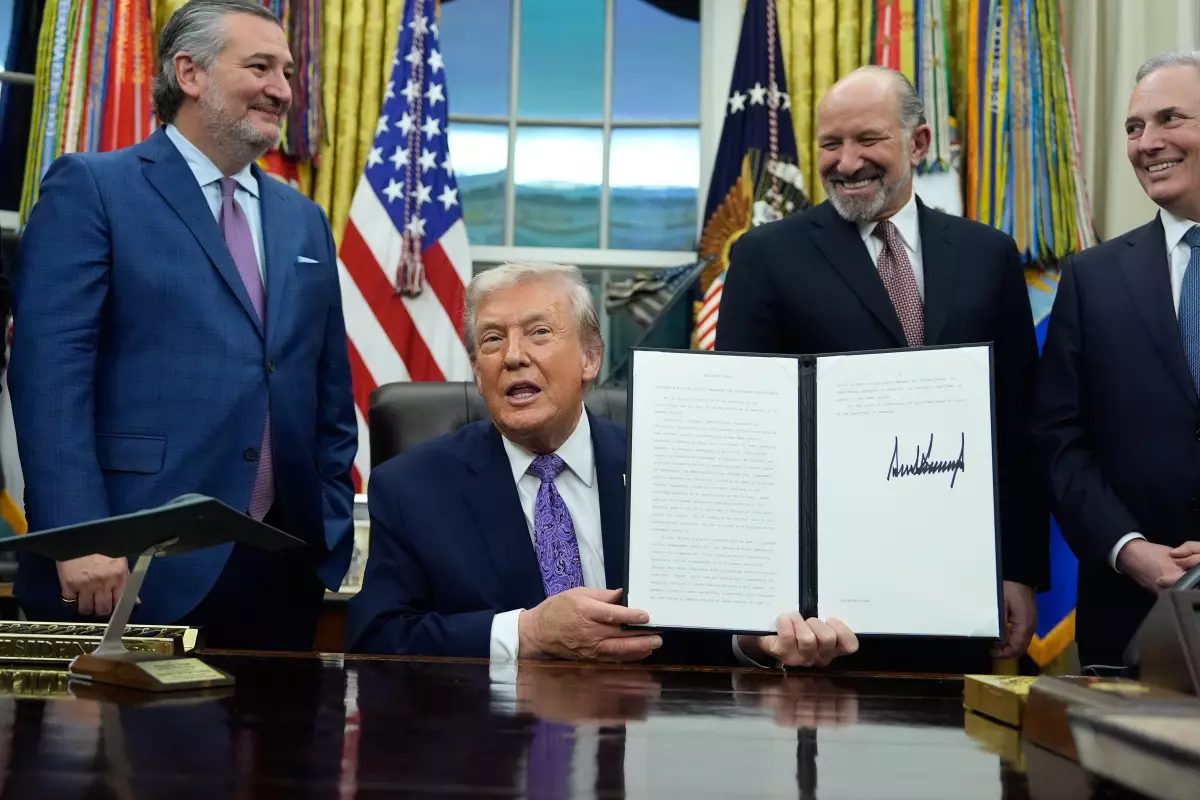
Six months after President Trump issued an executive order discouraging state-level artificial intelligence regulation, lawmakers across the country are moving forward with targeted legislation addressing AI's role in employment, child safety, and consumer protection.
California, Colorado, Connecticut, and Illinois have enacted new laws this year that tackle specific AI applications, even as Congress has failed to produce a comprehensive federal regulatory framework. The state measures focus on preventing algorithmic bias, restricting chatbot interactions with minors, and limiting how employers use AI in hiring and firing decisions.
Trump's January executive order directed the attorney general to establish a task force to challenge state AI laws deemed more than "minimally burdensome" and threatened to withhold federal broadband and grant funding from states with such regulations. The administration argued that a patchwork of state rules could hamper the U.S. race with China for AI dominance in an industry spending trillions of dollars.
Why it matters
The disconnect between federal inaction and state-level momentum creates regulatory uncertainty for AI companies operating across multiple jurisdictions. As businesses deploy AI systems that affect hiring, lending, and other consequential decisions, the absence of uniform national standards means companies must navigate an expanding maze of state requirements—precisely the scenario the Trump administration sought to prevent.
Bipartisan support emerges in some states
Despite Trump's warning, Republican lawmakers in several states have joined Democrats in supporting AI safeguards. In Illinois, legislation requiring independent audits of AI developers' safety protocols passed with near-unanimous support. The bill, awaiting Democratic Governor JB Pritzker's signature, builds on California and New York laws mandating that developers of advanced AI models establish protocols to prevent catastrophic outcomes like biological weapons attacks or large-scale cyberattacks.
"I don't know if you've met Illinois, but we're pretty independent," state Senator Mary Edly-Allen, the bill's Democratic sponsor, told the Associated Press when asked about the executive order.
Focus on chatbots and child protection
Multiple states—including Colorado, Connecticut, Idaho, Iowa, Nebraska, and Oregon—have passed laws this year requiring companies to disclose when users are interacting with AI rather than humans. Connecticut's new provisions for companion chatbots prohibit interactions with anyone under 18 unless the system is programmed to discourage self-destructive behavior and provides parental controls.
California lawmakers are advancing the "No Robo Bosses Act of 2026," which would bar employers from using AI alone to terminate or discipline workers. The state is also considering expanded chatbot regulations that would prohibit using children's chatbot interactions for advertising purposes.
Republican resistance in some states
Not all Republican-led states are embracing regulation. Florida's House refused to advance Governor Ron DeSantis's AI "Bill of Rights" legislation after House Speaker Daniel Perez, citing Trump's position, argued that AI regulation should remain a federal responsibility. In Utah, progress stalled on legislation after the White House sent lawmakers a memo stating it was "categorically opposed" to the bill.
The White House has not indicated whether it has taken enforcement action against any state AI law or withheld funding as threatened. In a statement, the administration said it remains "eager to work with partners" on its policy framework.
According to Justine Gluck, policy director of the Future of Privacy Forum, more AI bills have been introduced this year than last, suggesting Trump's executive order has done little to slow state legislative activity.
These details were first reported by the Associated Press.
This is an original analysis by the Omega editorial team. Source reporting: AI Watch.
Want systems like this working for your business?
Book a Call